In a recent earnings conference, Timotheus Höttges, the CEO of Deutsche Telekom, faced scrutiny regarding T-Mobile's financial contributions to President Trump's White House remodeling initiative. This revelation has sparked debates about corporate philanthropy, political affiliations, and corporate values in a polarized political landscape.
Defending Corporate Decisions
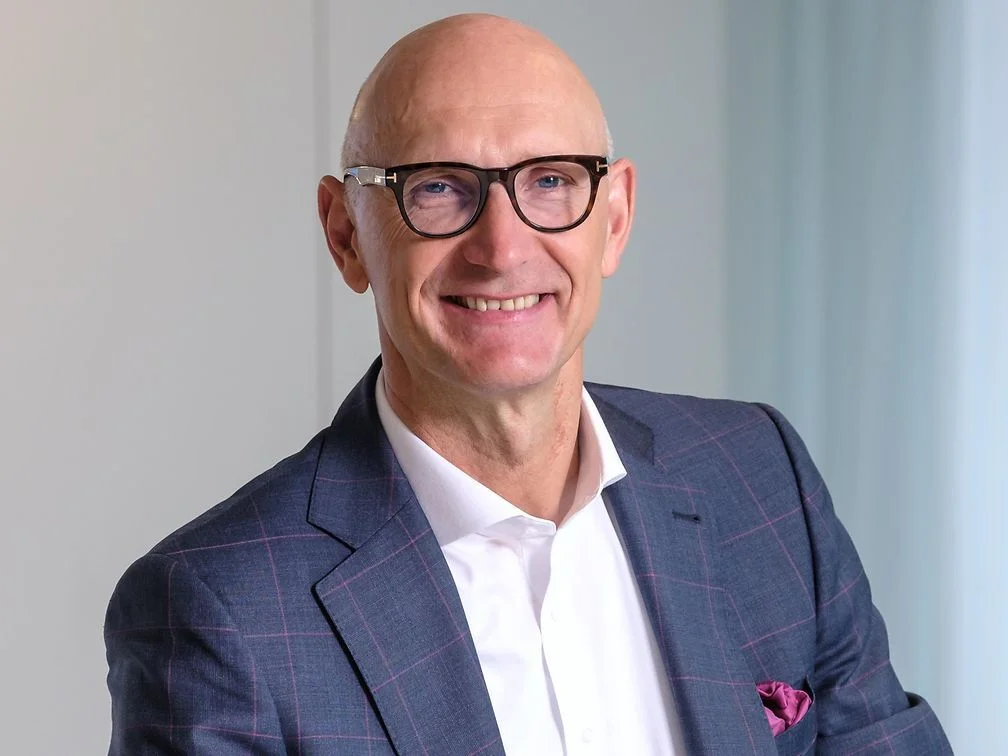
The renovation includes a ballroom being added to the White House, and T-Mobile is among the companies, alongside major players like Comcast and Amazon, contributing to this project. Höttges emphasized that T-Mobile's involvement should be viewed as an act of "good corporate citizenship." He argued that supporting significant national events aligns with the company's values.
As the United States prepares to celebrate the 250th anniversary of its Constitution, Höttges noted that if similar milestones were recognized in Germany, Deutsche Telekom would likely consider sponsorship, provided it aligns with the company's brand and mission.
Looking Ahead
Höttges stated, "We are not simply funding a ballroom; we are supporting the inauguration ceremony, which is a part of good citizenship in the US. Our commitment to such initiatives will continue, representing our values rather than undermining them."
Corporate Policies and Public Perception
Beyond donations, Höttges also addressed T-Mobile's diversity, equity, and inclusion (DEI) policies, which have been moderated recently to gain regulatory approval during merger negotiations. He maintained that Deutsche Telekom operates within the legal frameworks of each country and currently does not see any restrictions conflicting with their core values.
While corporate donations are a commonplace practice, public reaction can vary greatly based on political contexts. Some consumers may find it unsettling for a telecommunications company to affiliate with politically charged projects, whereas others may prioritize service quality over political affiliations.


