Understanding Why Electric Vehicles Are Gearbox-Free
As the popularity of electric vehicles (EVs) continues to grow, one notable characteristic sets these cars apart from their internal combustion engine (ICE) counterparts: the absence of conventional gearboxes. In this article, we will explore the reasons behind this trend, starting with a basic understanding of what a gearbox is and its function in ICE vehicles. With that foundation, we can delve deeper into the unique properties of electric motors that make gearboxes largely unnecessary, while also discussing the limited instances in which a gearbox may still offer advantages.
What Is a Gearbox and Its Role in ICE Vehicles?
In ICE vehicles, gearboxes play a crucial role due to the nature of combustion engines, which do not generate sufficient torque at low revolutions per minute (rpm). Instead, these engines require higher revs to produce the necessary torque for movement, constrained by their limited speed ranges. As such, gearboxes serve as torque multipliers, enabling the engine's power to translate into effective vehicle motion.
Consider the situation where your car is in 1st gear with a theoretical gear ratio of 3:1 and a final drive ratio of 3:1. The engine's torque would be amplified by a factor of nine (3 multiplied by 3), leading to significant wheel torque. For example, if the engine outputs 200 Nm of torque, the wheel torque at 1st gear becomes 200 Nm x 9 = 1800 Nm. Without a gearbox, a vehicle would struggle to move, even with the throttle pressed fully.
Despite advancements in gearbox technology over recent years, such systems still introduce inefficiencies, leading to greater energy losses and increased fuel consumption.
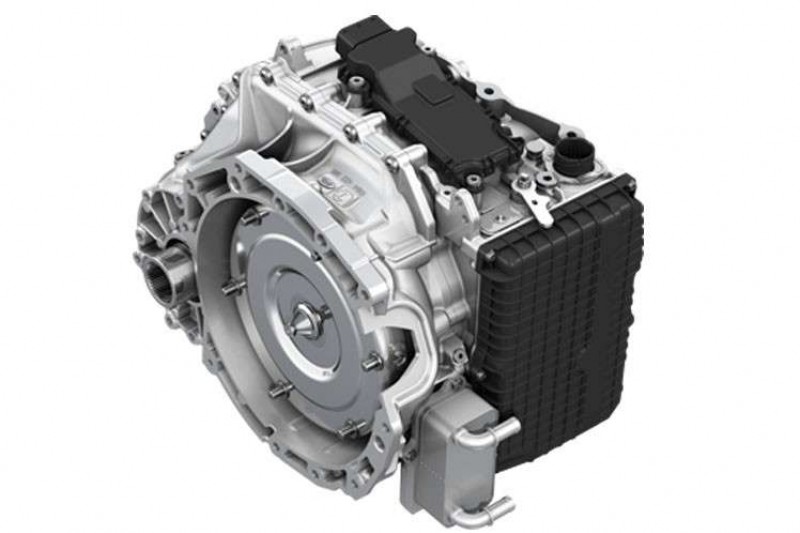
Modern automatic gearbox with 9 gears - The ZF 9HP.
Electric Cars: The Shift Away from Gearboxes
Electric motors possess distinctive properties that minimize the need for gearboxes in EVs, including high torque at zero rpm, a high capacity for rpm, and electronically capped top speeds. Let's examine these characteristics more closely.
First, electric motors generate substantial torque right from zero rpm, negating the necessity of torque multiplication through multiple gear ratios. Secondly, electric motors are capable of rotating up to 20,000 rpm, allowing for the fulfillment of required speed ranges efficiently with a single gear ratio. Finally, electric vehicles have limited top speeds due to the comparatively low energy content of their high-voltage batteries compared to traditional fuels.
For example, take the BMW i4 eDrive 40: it can deliver a maximum torque of 430Nm from 0 to 5000 rpm with a combined gear and final drive ratio of 11.115:1, resulting in an impressive wheel torque of 4780 Nm. This illustrates why EVs excel in situations like traffic light races.
If we consider the i4's top speed of 190 km/h, the motor spins at 16,500 rpm, and at a highway speed of 130 km/h, it rotates at around 11,300 rpm. This showcases the electric motor's sufficient rpm range to meet all operational demands without gearboxes.
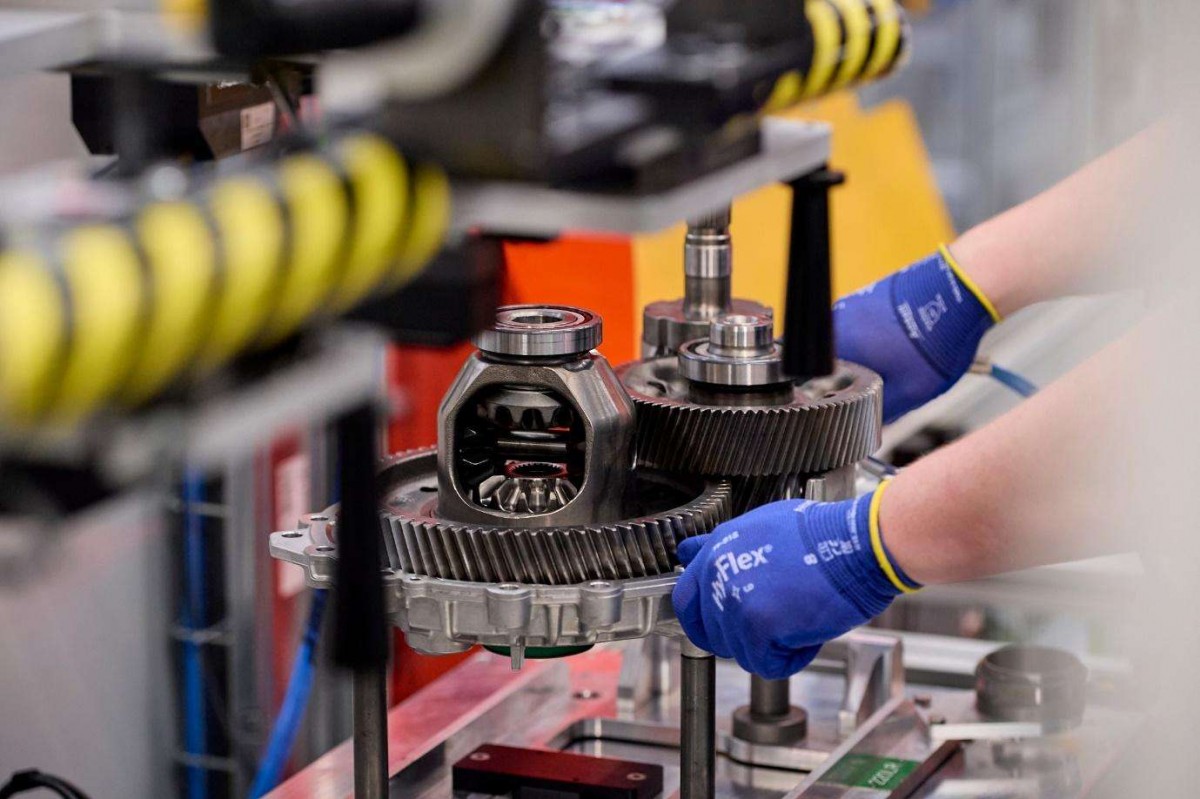
The single-speed gearbox of the BMW i4.
The Porsche and Audi Exception
Some models, including the Porsche Taycan and Audi E-Tron GT, utilize a two-speed gearbox in the rear motor. While it may seem contradictory to the notion that EVs don't require gearboxes, the rationale behind this feature is to enable quicker acceleration at lower speeds while allowing for longer ratios at high speeds—enhancing motor efficiency and extending the car's range.
Reducing motor rpm at higher speeds also allows for higher top speeds without overworking the motor. However, creating these two-speed systems presents engineering challenges, particularly in managing the instantaneous torque produced by electric motors. Despite ongoing development efforts, widespread adoption remains uncertain for now, as complexity and costs may outweigh potential benefits.
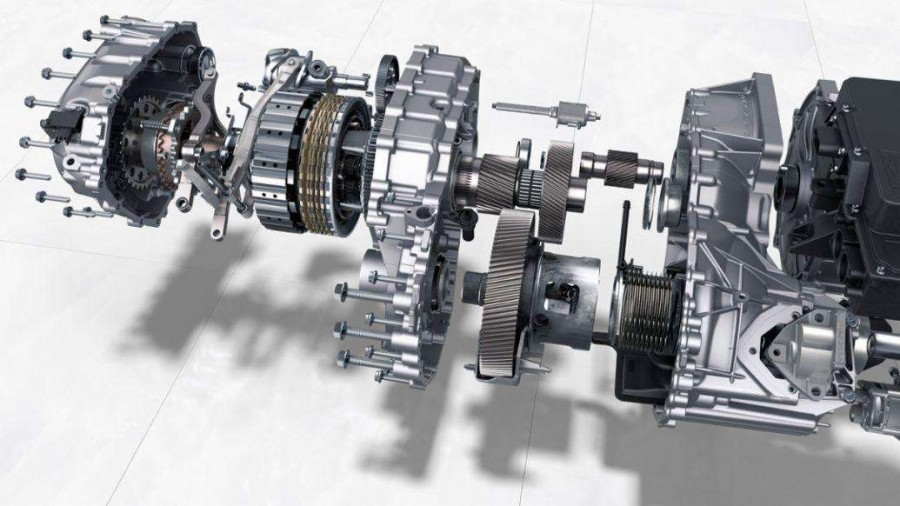
Porsche Taycan’s two-speed gearbox.