The rapid evolution of electric vehicle (EV) technology hinges heavily on the performance of high voltage batteries. Although significant progress has been made over the last decade, the energy content of these batteries remains insufficient compared to conventional liquid fuels. The search for a battery that boasts superior energy density is ongoing in the automotive sector. This article reviews various current and emerging battery technologies to provide readers with a comprehensive understanding of the chemistry behind EV batteries.
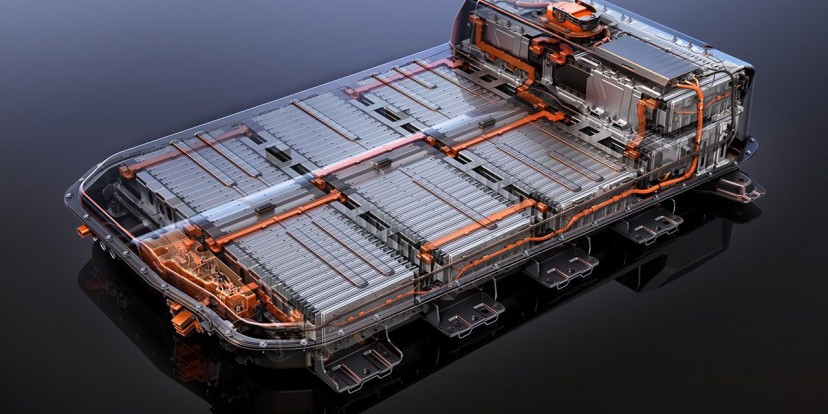 Lucid Air's advanced high voltage battery pack
Current Battery Technologies
Lithium-Ion Batteries - NCM and NCA Cathodes
Lithium-ion batteries have been around for nearly thirty years, significantly disrupting the tech landscape since their introduction by Sony in 1991. At the core of this battery technology is the movement of lithium ions, which migrate between the anode and cathode. During discharge, ions travel from the anode to the cathode through a liquid electrolyte, while electrons flow through an external circuit to complete the process. The reverse occurs during charging.
| Battery Type | Li-ion NCX |
|---|---|
| Specific Energy (Wh/kg) | 150-325 (High Nickel cathode, cell to pack, silicon anode) |
| Battery Endurance (Cycles) | 500-1500 |
| Total Battery Pack Cost (€/kWh) | 250-280 |
| Required Battery Weight for 500 km Trip (kg) | 385-830 |
NCM (Nickel Cobalt Manganese) and NCA (Nickel Cobalt Aluminum) variants dominate the EV market. The defining factors of these batteries include their composition: NCM indicates varying ratios of Nickel, Cobalt, and Manganese, with higher nickel concentrations enhancing energy density. For instance, an NCM 712 battery comprises 70% Nickel, 10% Cobalt, and 20% Manganese. Higher nickel content generally correlates with improved energy density, impacting overall battery weight and dimensions positively.
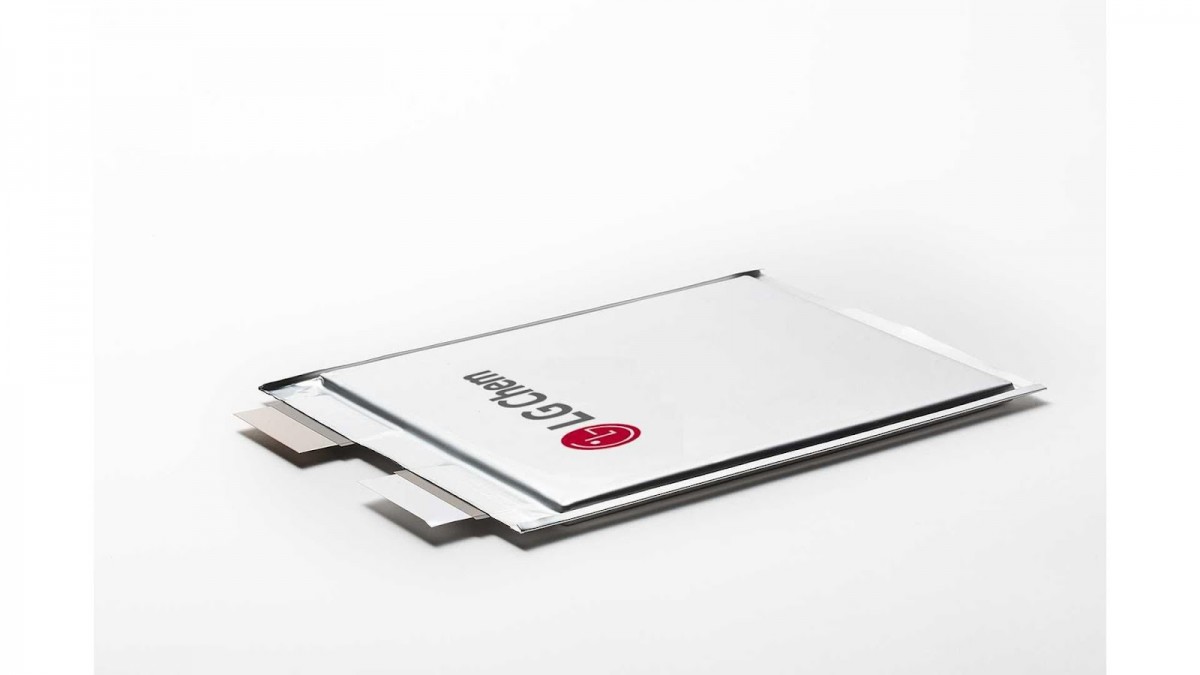 LG Chem NMC Pouch Cell
In response to cobalt scarcity and ethical mining concerns, manufacturers strive to decrease cobalt content and focus on high nickel chemistries, potentially achieving energy densities of up to 325 Wh/kg. However, these lithium-ion batteries are nearing their technological limits.
Lithium-Ion Batteries - LFP Cathodes
Alternatively, Lithium Iron Phosphate (LFP) serves as another cathode option. Although LFP batteries typically exhibit lower performance than their NCM counterparts, they are favored by some manufacturers for their affordability and longevity. Here’s a comparison:
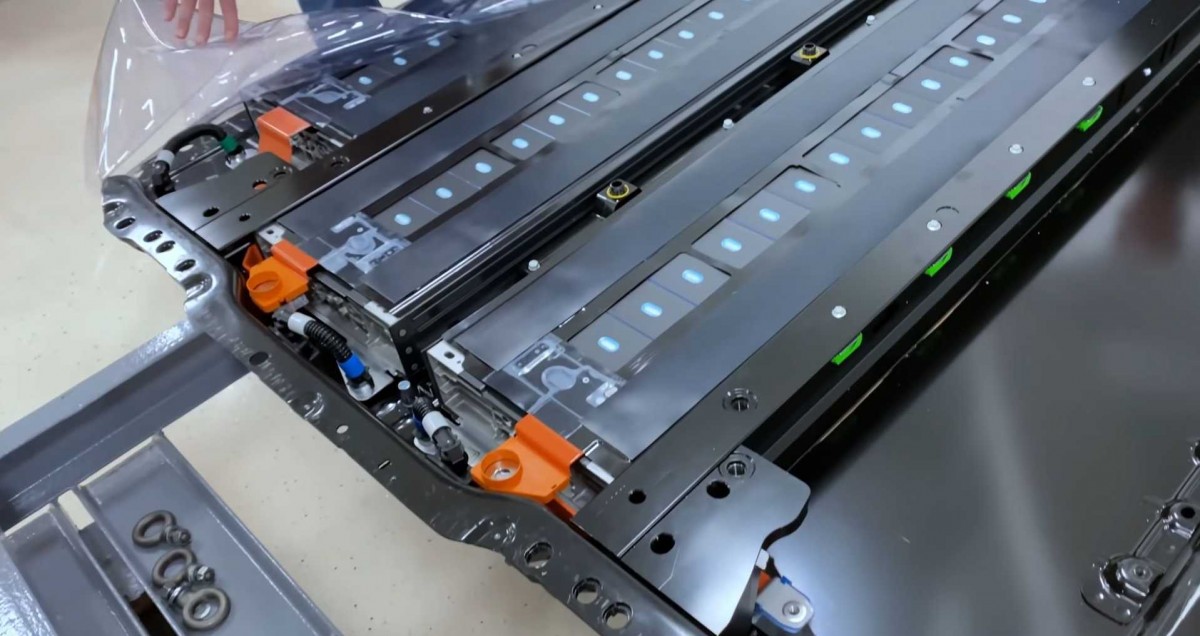 CATL Manufactured LFP Battery Pack from Tesla Model 3
| Battery Type | LFP |
|---|---|
| Specific Energy (Wh/kg) | 120 |
| Battery Endurance (Cycles) | >2000 |
| Total Battery Pack Cost (€/kWh) | 200 |
| Required Battery Weight for 500 km Trip (kg) | 1040 |
Tesla uses LFP chemistry for the base version of Model 3, capitalizing on LFP's durability and its safe operation at full charge, which is recommended for this battery type.
Future Battery Technologies
Lithium-Air Batteries
Currently a topic of research, Lithium-Air batteries promise groundbreaking advancements with specific energy capabilities rivaling liquid fuels at approximately 11.4 kWh/kg. Composed of lithium in the anode and air in the cathode, these batteries face challenges with heat during charging and dendrite formation, which hampers longevity:
| Battery Type | Lithium - Air |
|---|---|
| Specific Energy (Wh/kg) | 11400 |
| Battery Endurance (Cycles) | Very Low |
| Total Battery Pack Cost (€/kWh) | Unknown |
| Required Battery Weight for 500 km Trip (kg) | 11 |
If the technical barriers are overcome, lithium-air technology could render internal combustion engine vehicles obsolete.
Solid-State Batteries
Acclaimed as the holy grail of battery technology, solid-state batteries replace liquid electrolytes with solid ones. Researchers are actively exploring various materials for solid electrolytes, with the first production vehicles anticipated within the next 2-3 years:
| Battery Type | Solid State |
|---|---|
| Specific Energy (Wh/kg) | 500-600* |
| Battery Endurance (Cycles) | 1000* |
| Total Battery Pack Cost (€/kWh) | Unknown |
| Required Battery Weight for 500 km Trip (kg) | 200-250 |
Solid-state batteries could potentially deliver double the energy density of conventional lithium-ion batteries while offering improved longevity. Though projections are currently modest, advancements in this field may further enhance these estimates.
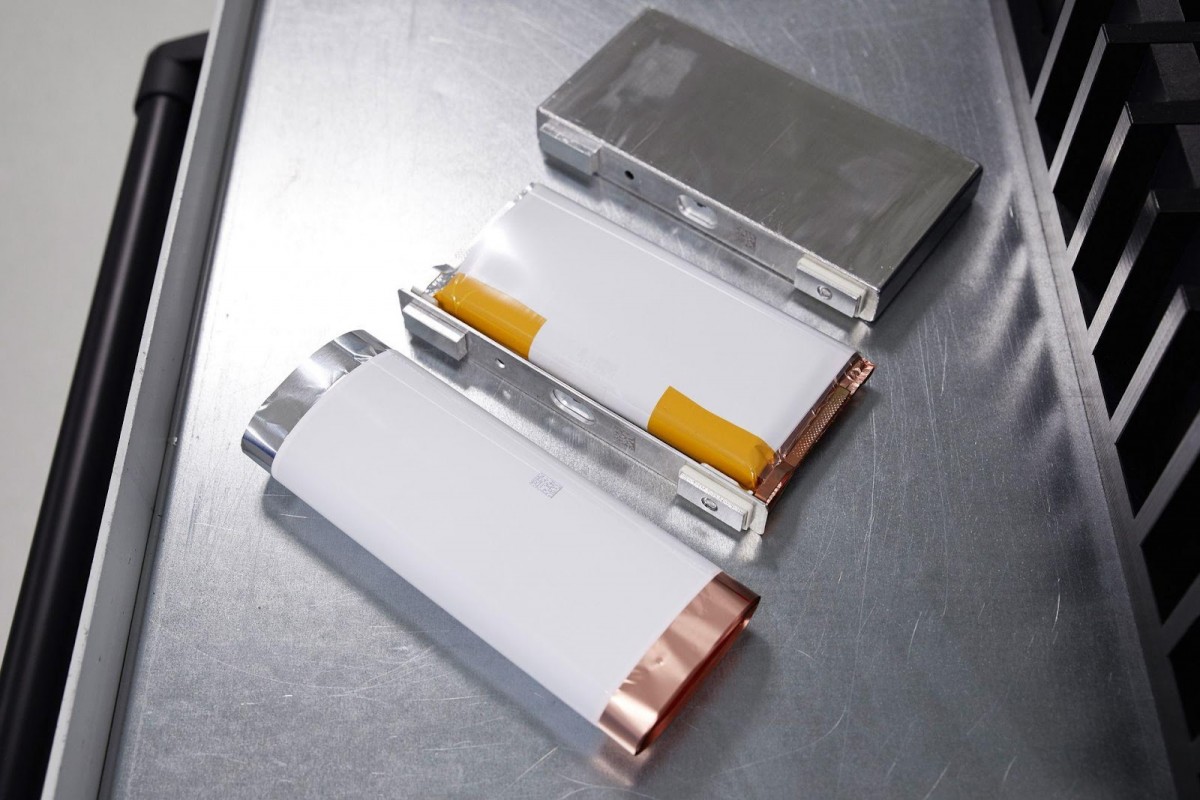 BMW Solid State Battery Cell