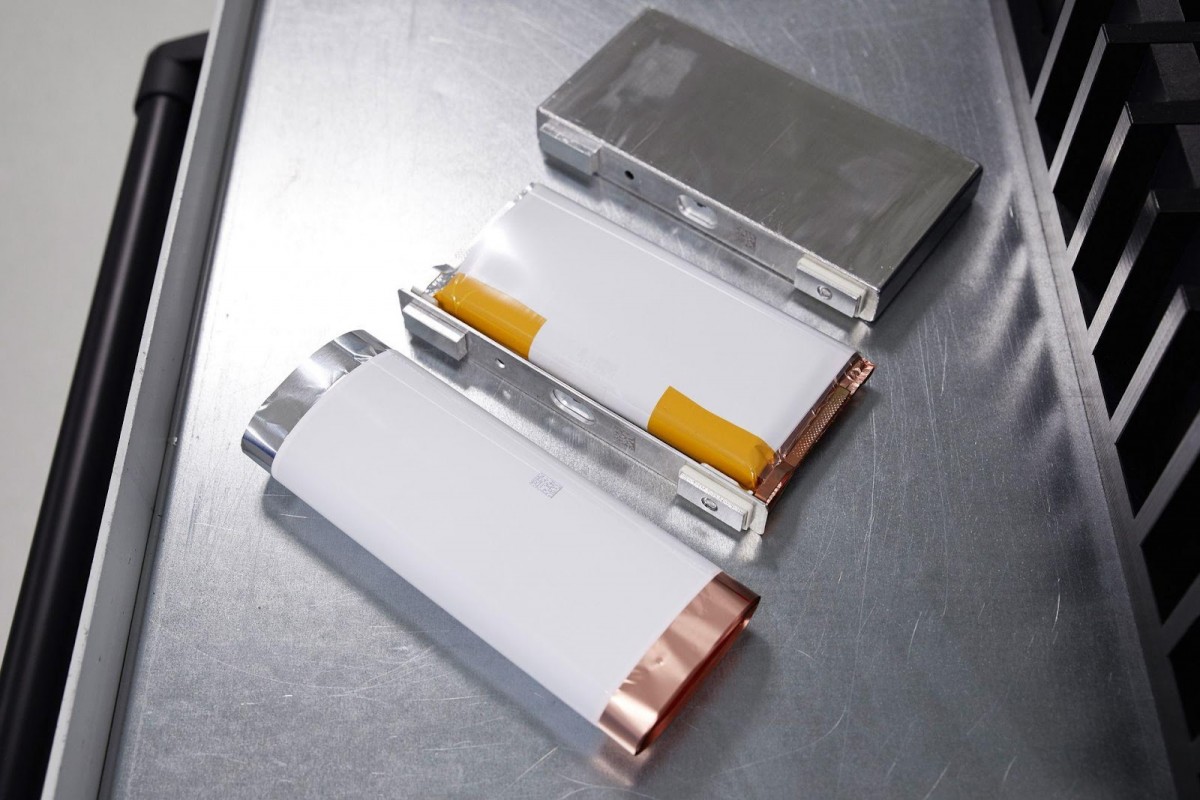
In a groundbreaking development for the electric vehicle industry, Geely has introduced an innovative charging architecture capable of delivering a staggering 2.2 megawatts of power. This recent revelation from Geely, showcased at their Global All-Domain Safety Center in Ningbo, marks a crucial leap forward in charging technology, aiming to redefine the electric vehicle charging experience.
The rapid evolution of battery charging has been evident this week, with a slew of announcements describing advanced technologies that threaten to render traditional charging times obsolete. With competitors like Sunwoda and BYD promising stunningly quick charge times of 10 and 9 minutes respectively, Geely’s 2.2 MW chargers could take the lead, providing a charging experience previously unimagined.
This 2.2 MW infrastructure is 50% faster than BYD's impressive 1.5 MW system and far exceeds the charging capabilities of Tesla's 1.2 MW Megachargers. The new Galaxy E5 SUV is the first model set to utilize this advanced charging technology, boasting the capability to go from 10% to 70% charge in just 4.5 minutes. For those who wish to maximize their charge, achieving 97% will only take an extra 4 minutes.

These astonishing figures represent a dramatic shift in EV ownership dynamics, moving charging from a chore to a race against the clock. Such rapid charging speeds reshape the notion of electric vehicle ownership, as Geely’s system could theoretically allow drivers to regain significant range in a mere pit stop duration.
This push for rapid charging comes at a pivotal time for the Chinese EV market, where consumer demand has started to wane. As buyers grow more discerning, the competition for quicker and safer charging solutions is heating up, with Geely and BYD locked in fierce rivalry. With BYD leading the charge with their Blade batteries and ambitious infrastructure plans, Geely's latest innovation underscores their commitment to remain competitive in an increasingly challenging landscape.

However, there are concerns about the long-term implications of such rapid charging on battery health. To combat potential degradation from high-speed charging, Geely has integrated a cloud-based predictive artificial intelligence system designed to monitor and manage charging processes carefully. This AI system utilizes advanced simulations to adjust cooling mechanisms and detect irregularities, allowing the vehicle to withstand up to 3,500 charge cycles without significant degradation, potentially extending battery life beyond a million kilometers.

As Geely continues to push the envelope of what is technically achievable with electric vehicle charging, industry experts caution that charging speeds are nearing physical limitations. The challenge now is not merely to achieve faster charging but to create meaningful advancements that enhance the user experience.
For automotive engineers, this breakthrough represents a significant paradigm shift. By designing vehicles around lighter battery packs and rapid charging capabilities, the focus can shift towards enhancing performance without compromising range. However, the successful adoption of such advanced technology will rely heavily on the availability of a robust charging infrastructure globally, a task that will take time to establish.