The G60 generation BMW 5-Series has now been on sale for a few years, and we've previously evaluated the flagship M60 variants in both sedan and Touring body styles. This time around, we're moving down the range to assess what the more measured i5 xDrive40 has to offer, and whether sacrificing some of the M60's outright performance might actually be the wiser choice for most buyers.

Table of Contents:
- Exterior
- Interior
- Storage & practicalities
- Driving experience
- Ride comfort
- Tech features
- Cabin noise
- Acceleration and braking
- Consumption
- Charging speed
- Competition
- Verdict
It's worth noting that the i5 xDrive40 was not part of the original lineup when the i5 first launched, arriving only after production had already commenced. In many respects, it appears BMW introduced this variant to bridge a conspicuous gap between the existing models.

By pairing all-wheel-drive assurance with more efficient (though marginally less potent) electric motors, it slots neatly between the rear-driven eDrive40 and the top-tier M60 xDrive.
That middle positioning becomes particularly compelling once pricing is factored in. Depending on where you live, the price difference between the xDrive40 and M60 xDrive can surpass €25,000, which represents a substantial premium.

Our aim is therefore straightforward: to determine whether the M60 truly justifies that additional expense, or whether the xDrive40 already delivers everything the average i5 customer could reasonably ask for.
BMW i5 xDrive40 2024 -
- Dimensions: 5,060 mm x 1,900 mm x 1,515 mm, 2,995 mm wheelbase.
- Drivetrain tested: i5 xDrive40 - AWD 290 kW (394 hp), 590 Nm, 83.9 kWh total battery capacity, 81.2 kWh usable battery capacity
- Other drivetrains: i5 eDrive40 – RWD 250 kW (340 hp), 430 Nm, 83.9 kWh total battery capacity, 81.2 kWh usable battery capacity, 582 km WLTP
- Charging: 205 kW CCS; 10-80% in 30 min
- Range: 538 km WLTP
- Weight: 2,205 kg unladen, 2,705 kg gross
- Other features: Launch control, Games, CarPlay and Android Auto, OTA updates.
Exterior
The i5's exterior design generated considerable debate when this generation was first introduced, but customers appear to be gradually embracing the look, with overall 5-Series sales holding relatively steady compared to the outgoing model. That said, the electric i5's adoption rate hasn't matched that of the combustion-powered variants. This has less to do with appearance and more with the car's capabilities and market positioning.
Visually, an i5 xDrive40 fitted with the M-Sport pack is nearly impossible to tell apart from the M60. At the front, the only distinguishing feature is the small "i" badge in the grille, which is replaced by an "M" on the range-topping model. The lighting signature, Iconic Glow grille and bumper design are otherwise identical.
The side profile is equally similar. Even the smaller 19-inch wheels fitted to our test car are offered across the wider lineup, so there's little here to indicate which variant you're looking at.
One detail that does catch the eye is the prominent "5" embossed into the C-pillar, ensuring no one confuses this for anything else in BMW's portfolio.
At the rear, the model designation can make the biggest difference. The trim badge is the simplest giveaway, but if the car is ordered without it, the diffuser becomes one of the few remaining clues separating the different variants.
Interior
One of our primary criticisms when evaluating the M60 models was the interior material quality. Several surfaces that occupants interact with daily felt far too inexpensive for a vehicle carrying the 5-Series badge. Fortunately, the early 2025 refresh rectified that issue remarkably well.
The most noticeable improvement is around the door panels, which now feel more substantial and utilize significantly better materials. The cabin still doesn't quite reach the standard set by some previous generations, but quality is no longer something potential buyers should be concerned about.
Material quality has improved substantially compared to the initial G60 models.
The steering wheel retains the older BMW design rather than the current Neue Klasse layout, which is a positive given the mixed reception of the new haptic feedback buttons and unconventional shape.
Conventional, non-polarizing steering wheel
Otherwise, the interior remains essentially unchanged from the M60 we've already reviewed in detail, so you can read our original impressions here.
The rear follows the traditional German executive sedan formula by offering plenty of amenities but less space than the exterior dimensions might suggest. Given how large the G60 has become, we anticipated more headroom and legroom. Our 1.95 m (6'4") reviewer still fits with some room to spare, but several smaller rivals manage to provide more generous accommodation.
Rear space is less generous than expected.
Separate climate controls, heated rear seats, tablet holders and USB-C ports improve the experience, although most of them are optional. No amount of equipment, however, can make the rear bench physically larger.
Some nice features find their way around back.
Storage & practicalities
Storage options are plentiful thanks to the i5's boxy trunk and several useful storage compartments, especially the large one underneath the main trunk floor. Total capacity stands at 490 l, which is 30 l less than the equivalent combustion powered 5-Series.
The shape itself makes good use of the available space, while the rear seats can be folded individually to accommodate longer or bulkier items when needed.
The trunk is about average for the segment.
The bigger disappointment is up front. BMW remains convinced that its customers do not need a frunk, so the i5 gets none, even though there quite obviously could have been. Instead, opening the hood reveals a huge plastic cover hiding the electronics underneath.

Driving experience
Moving up to the i5 xDrive40, we expected essentially the same driving experience as in the M60 with a bit less power. Surprisingly, the midrange model proved to be even better in most categories.
The xDrive40 weighs over 200 kg less than the M60 and the absence of a large panoramic sunroof brings the center of gravity even closer to the ground. This enables the less powerful version to handle better and tackle corners with greater precision. Of course, weighing over two tonnes is not light by any means, but approximately a 10% weight difference can certainly be felt and its absence - appreciated.

Even though the M60 features active roll stabilisation and minimizes body lean in the corners, the xDrive40 version manages to stay just as flat while cornering simply due to the lower weight. If there are any differences, they are so minimal that you would have to drive both back-to-back to notice them, which isn't relevant for the typical customer.
In characteristic BMW fashion, the steering is weighty and responsive for a luxury sedan. It is pleasant and light at lower speeds and firms up substantially as speed increases, particularly in Sport mode. You can always communicate with the car through the wheel, which is becoming a lost art in today's automotive landscape. We are grateful that BMW remains one of the few manufacturers to offer excellent feedback not only in its most extreme sportiest model but in its standard vehicles as well.
Even though the power difference is significant, the M60 doesn't feel much quicker in the real world. Only when put against each other does it become obvious, but for daily driving the xDrive40 is more than sufficient. Even at higher speeds, overtaking is easy and safe and you're never left starving for power.
A great gimmick that hardly makes any difference is the boost button to the left of the steering wheel. It opens up an exciting animation in the gauge cluster and main screen to show you the remaining boost time left, which enables a few more extra horsepower for a limited period. The difference it makes is highly insignificant but adds drama to the driving experience, which is a lovely attention to detail.

Fortunately, the test model we drove had its traffic sign recognition system broken, but otherwise, turning it off is as easy as pressing the SET button on the steering wheel for a few seconds and it turns off. Turning off the other assistants isn't as easy and requires pressing the center console button and selecting from the infotainment which aid you want on or off.

Ride comfort
Another benefit of the reduced weight is the subjectively smoother ride of the i5 xDrive40. Its slightly higher ride height and longer suspension travel give it a small comfort advantage over the M60, making the midrange version feel a little more relaxed over rougher surfaces.
Both of the cars we tested were equipped with the optional adaptive suspension, which brings their overall ride quality very close. The dampers noticeably stiffen or soften depending on the selected drive mode, giving the i5 a genuinely broader range between comfort and sportiness. The difference between the settings is substantial enough that we would strongly recommend opting for the adaptive suspension.
Tech features
Our xDrive40 test car was missing several optional functions, whereas the M60 we previously tested was equipped with virtually everything BMW offers. We also dived deep into the menus and settings and dissected everything available. This makes the earlier review a much better reference point for exploring the i5's complete technology package so we recommend checking it out here.
Cabin noise
The cabin of the new 5-Series is incredibly well-insulated, disconnecting its passengers from the ambient world. The cabin remains impressively quiet at virtually any speed. Compared with the M60, the difference is marginal. Our more powerful test car was fitted with winter tires, which introduced slightly more road noise at highway speeds, but otherwise both versions deliver similarly excellent refinement.
Cabin noise test results
- 60 km/h
- 90 km/h
- 130 km/h
 Mercedes-Benz EQS SUV 580 4Matic
 Hyundai Ioniq 9 Performance
 Nissan Ariya 87 kWh FWD
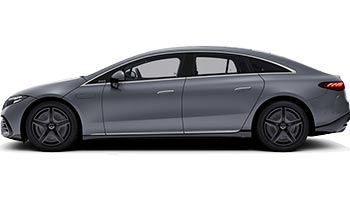 Mercedes-Benz EQS 450+
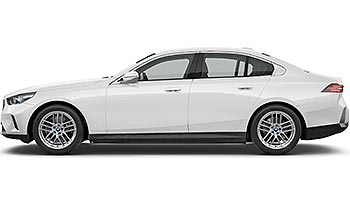 BMW i5 M60
BMW i5 xDrive40
 BMW i7 xDrive60
 BMW i5 M60 Touring
 Lucid Air Grand Touring
 BMW iX3 50 xDrive (Summer tires 21")
 Mercedes-Benz G580 with EQ technology
 Renault Scenic E-Tech Long range
 Kia EV9 99.8 kWh AWD
 Lynk & Co 08
 Volvo EX90 Performance
 DS Nº8 AWD Long Range
 Peugeot e-3008 GT Electric
 Renault Megane E-Tech EV60
 Volkswagen ID.4 GTX
 Maserati Grecale Folgore
 Tesla Cybertruck Cyberbeast
 Mercedes CLA 350 4Matic
 Ford Puma Gen-E
 Volkswagen ID.Buzz
 Volkswagen ID.7 Pro
 Kia EV4 Long Range
 Hyundai Kona Electric 65.4kWh
 Jeep Compass FWD
 Volvo EX30 Performance
 Mini Countryman SE ALL4
 MG S5 EV Long Range
 Mercedes-Benz EQE AMG 43 4Matic
 Peugeot e-2008
 Hyundai Ioniq 5 77.4 kWh AWD
 Renault 5 E-Tech
 Hyundai Ioniq 5 N
 Mercedes-Benz GLB 350 4Matic
 Nissan Micra EV 52 kWh
BMW iX3 50 xDrive (Winter tires 20")
 Hyundai Ioniq 6 LR AWD
 Mini Cooper SE
 Fiat Grande Panda BEV
 Zeekr 7GT Privilege AWD
 Lynk & Co 02
 Hyundai Inster Long Range
 Jeep Avenger
 BMW iX2 xDrive30
 Mini Aceman JCW E
 Tesla Model S 75D (2018, used)
 Citroen e-C3
 Polestar 2
 Tesla Model 3 LR
 Fiat 500e
 Alfa Romeo Junior Elettrica Veloce
 Hyundai Kona Electric 64kWh
 Tesla Model Y Long Range (2023)
 Ora Funky Cat
Mercedes-Benz EQS SUV 580 4Matic
Hyundai Ioniq 9 Performance
BMW i7 xDrive60
Renault Scenic E-Tech Long range
Mercedes-Benz EQS 450+
Volvo EX90 Performance
Mercedes-Benz G580 with EQ technology
Kia EV9 99.8 kWh AWD
Maserati Grecale Folgore
BMW i5 M60
Lucid Air Grand Touring
Volkswagen ID.7 Pro
Ford Puma Gen-E
Hyundai Ioniq 5 77.4 kWh AWD
DS Nº8 AWD Long Range
BMW i5 xDrive40
Mercedes-Benz EQE AMG 43 4Matic
Jeep Compass FWD
BMW i5 M60 Touring
BMW iX3 50 xDrive (Summer tires 21")
Nissan Micra EV 52 kWh
Mini Aceman JCW E
Nissan Ariya 87 kWh FWD
Renault 5 E-Tech
Tesla Model 3 LR
Tesla Cybertruck Cyberbeast
Kia EV4 Long Range
Volvo EX30 Performance
Hyundai Ioniq 5 N
Lynk & Co 08
Volkswagen ID.Buzz
Peugeot e-3008 GT Electric
Mercedes CLA 350 4Matic
MG S5 EV Long Range
BMW iX3 50 xDrive (Winter tires 20")
Renault Megane E-Tech EV60
Mercedes-Benz GLB 350 4Matic
Hyundai Ioniq 6 LR AWD
BMW iX2 xDrive30
Fiat Grande Panda BEV
Zeekr 7GT Privilege AWD
Peugeot e-2008
Hyundai Kona Electric 65.4kWh
Mini Countryman SE ALL4
Volkswagen ID.4 GTX
Polestar 2
Citroen e-C3
Tesla Model S 75D (2018, used)
Lynk & Co 02
Hyundai Inster Long Range
Ora Funky Cat
Jeep Avenger
Tesla Model Y Long Range (2023)
Mini Cooper SE
Hyundai Kona Electric 64kWh
Alfa Romeo Junior Elettrica Veloce
Fiat 500e
BMW i7 xDrive60
BMW i5 xDrive40
Renault Scenic E-Tech Long range
Maserati Grecale Folgore
Lucid Air Grand Touring
Hyundai Ioniq 9 Performance
Mercedes-Benz EQS SUV 580 4Matic
BMW iX3 50 xDrive (Summer tires 21")
DS Nº8 AWD Long Range
BMW i5 M60
Volvo EX90 Performance
Mercedes-Benz EQS 450+
Mercedes-Benz EQE AMG 43 4Matic
Mercedes CLA 350 4Matic
Volkswagen ID.7 Pro
MG S5 EV Long Range
Tesla Model 3 LR
Jeep Compass FWD
Zeekr 7GT Privilege AWD
BMW i5 M60 Touring
Kia EV4 Long Range
Kia EV9 99.8 kWh AWD
Nissan Ariya 87 kWh FWD
Peugeot e-2008
Lynk & Co 08
Renault 5 E-Tech
BMW iX3 50 xDrive (Winter tires 20")
Volvo EX30 Performance
BMW iX2 xDrive30
Mercedes-Benz GLB 350 4Matic
Hyundai Ioniq 5 77.4 kWh AWD
Tesla Cybertruck Cyberbeast
Nissan Micra EV 52 kWh
Hyundai Ioniq 5 N
Hyundai Ioniq 6 LR AWD
Mini Countryman SE ALL4
Ford Puma Gen-E
Renault Megane E-Tech EV60
Volkswagen ID.4 GTX
Peugeot e-3008 GT Electric
Mercedes-Benz G580 with EQ technology
Mini Aceman JCW E
Volkswagen ID.Buzz
Tesla Model S 75D (2018, used)
Hyundai Kona Electric 65.4kWh
Fiat Grande Panda BEV
Polestar 2
Lynk & Co 02
Citroen e-C3
Alfa Romeo Junior Elettrica Veloce
Mini Cooper SE
Hyundai Inster Long Range
Tesla Model Y Long Range (2023)
Jeep Avenger
Hyundai Kona Electric 64kWh
Ora Funky Cat
Fiat 500e
Acceleration and braking
Despite being only a mid-range product in the i5's lineup, the xDrive40 version is plenty quick. It accelerates from 0 to 100 km/h well below 5 seconds, despite BMW claiming 5.4 seconds for the same discipline. Power is transferred smoothly to all four wheels in all conditions, never leaving its driver wanting for more power or grip.
0-100km/h acceleration test results
Tesla Cybertruck Cyberbeast
Lucid Air Grand Touring
Zeekr 7GT Privilege AWD
Hyundai Ioniq 5 N
Volvo EX30 Performance
BMW i5 M60
BMW i5 M60 Touring
Mercedes-Benz EQE AMG 43 4Matic
Volvo EX90 Performance
Maserati Grecale Folgore
BMW i7 xDrive60
Mercedes-Benz EQS SUV 580 4Matic
Tesla Model 3 LR
Polestar 2
Mercedes CLA 350 4Matic
BMW iX3 50 xDrive (Summer tires 21")
Mercedes-Benz G580 with EQ technology
Tesla Model S 75D (2018, used)
BMW i5 xDrive40
Hyundai Ioniq 9 Performance
Hyundai Ioniq 5 77.4 kWh AWD
Hyundai Ioniq 6 LR AWD
Kia EV9 99.8 kWh AWD
Mercedes-Benz GLB 350 4Matic
Tesla Model Y Long Range (2023)
DS Nº8 AWD Long Range
BMW iX2 xDrive30
Mini Countryman SE ALL4
Volkswagen ID.4 GTX
Mercedes-Benz EQS 450+
Alfa Romeo Junior Elettrica Veloce
Lynk & Co 02
Mini Aceman JCW E
Mini Cooper SE
MG S5 EV Long Range
Volkswagen ID.7 Pro
Lynk & Co 08
Ora Funky Cat
Renault Megane E-Tech EV60
Kia EV4 Long Range
Hyundai Kona Electric 64kWh
Renault 5 E-Tech
Ford Puma Gen-E
Nissan Ariya 87 kWh FWD
Hyundai Kona Electric 65.4kWh
Nissan Micra EV 52 kWh
Renault Scenic E-Tech Long range
Jeep Avenger
Jeep Compass FWD
Peugeot e-2008
Fiat 500e
Peugeot e-3008 GT Electric
Volkswagen ID.Buzz
Hyundai Inster Long Range
Fiat Grande Panda BEV
Citroen e-C3
A discipline at which our M60 review fell short was braking due to the poor road conditions and winter tires, but this time the xDrive40 managed to make up for those shortcomings. The braking distance from 100 km/h to a standstill was 36 m (118'11"), which is a wonderful result for a sedan with such dimensions.
Braking distance test results
Volkswagen ID.7 Pro
Hyundai Ioniq 5 N
Alfa Romeo Junior Elettrica Veloce
BMW iX3 50 xDrive (Summer tires 21")
Maserati Grecale Folgore
Mercedes CLA 350 4Matic
Citroen e-C3
DS Nº8 AWD Long Range
Hyundai Ioniq 6 LR AWD
Nissan Ariya 87 kWh FWD
Hyundai Ioniq 5 77.4 kWh AWD
Peugeot e-3008 GT Electric
Fiat Grande Panda BEV
Hyundai Ioniq 9 Performance
Mini Aceman JCW E
MG S5 EV Long Range
Jeep Avenger
BMW i7 xDrive60
Tesla Model S 75D (2018, used)
Peugeot e-2008
BMW iX2 xDrive30
Lucid Air Grand Touring
Renault 5 E-Tech
Mercedes-Benz GLB 350 4Matic
Nissan Micra EV 52 kWh
Zeekr 7GT Privilege AWD
BMW i5 xDrive40
Mercedes-Benz EQE AMG 43 4Matic
Fiat 500e
Mercedes-Benz EQS 450+
Volkswagen ID.4 GTX
Tesla Model 3 LR
Ora Funky Cat
Mini Cooper SE
Hyundai Inster Long Range
Volvo EX90 Performance
Tesla Model Y Long Range (2023)
Volvo EX30 Performance
Lynk & Co 02
Renault Scenic E-Tech Long range
Kia EV4 Long Range
Renault Megane E-Tech EV60
BMW i5 M60 Touring
Lynk & Co 08
Jeep Compass FWD
Polestar 2
Hyundai Kona Electric 65.4kWh
Tesla Cybertruck Cyberbeast
Mercedes-Benz G580 with EQ technology
Ford Puma Gen-E
Mercedes-Benz EQS SUV 580 4Matic
Kia EV9 99.8 kWh AWD
Mini Countryman SE ALL4
Hyundai Kona Electric 64kWh
Volkswagen ID.Buzz
BMW i5 M60
Consumption
We tested the M60 versions in considerably worse conditions, so their results should be taken with a pinch of salt. Even so, the i5 xDrive40 performs very well and ranks among the more efficient models in its segment. What ultimately holds it back is the relatively modest 81.2 kWh usable battery. Some rivals consume more energy yet still travel farther on a charge simply because they carry larger packs.
A bigger battery option would therefore make a huge difference. The xDrive40 already has the efficiency to compete with the best, and with more capacity it could become one of the strongest long distance choices in the segment. For our detailed opinion on the BMW i5 xDrive40's efficiency check out our dedicated range test article.
Range test results
- 60 km/h
- 90 km/h
- 130 km/h
DS Nº8 AWD Long Range
BMW iX3 50 xDrive (Summer tires 21")
Lucid Air Grand Touring
BMW iX3 50 xDrive (Winter tires 20")
Zeekr 7GT Privilege AWD
Volvo EX90 Performance
Mercedes-Benz EQS 450+
Mercedes CLA 350 4Matic
BMW i7 xDrive60
BMW i5 xDrive40
Mercedes-Benz EQS SUV 580 4Matic
Mercedes-Benz GLB 350 4Matic
Tesla Model 3 LR
Kia EV4 Long Range
MG S5 EV Long Range
Maserati Grecale Folgore
Tesla Model Y Long Range (2023)
Hyundai Ioniq 6 LR AWD
Kia EV9 99.8 kWh AWD
Hyundai Ioniq 9 Performance
Volkswagen ID.7 Pro
Tesla Cybertruck Cyberbeast
Jeep Compass FWD
Volkswagen ID.4 GTX
Renault Scenic E-Tech Long range
Nissan Ariya 87 kWh FWD
Nissan Micra EV 52 kWh
BMW i5 M60 Touring
BMW iX2 xDrive30
Tesla Model S 75D (2018, used)
Peugeot e-3008 GT Electric
Volkswagen ID.Buzz
Hyundai Ioniq 5 N
Hyundai Kona Electric 64kWh
Renault 5 E-Tech
Hyundai Ioniq 5 77.4 kWh AWD
Polestar 2
BMW i5 M60
Hyundai Kona Electric 65.4kWh
Mercedes-Benz EQE AMG 43 4Matic
Renault Megane E-Tech EV60
Mini Cooper SE
Mini Countryman SE ALL4
Lynk & Co 02
Peugeot e-2008
Mercedes-Benz G580 with EQ technology
Jeep Avenger
Volvo EX30 Performance
Ford Puma Gen-E
Mini Aceman JCW E
Hyundai Inster Long Range
Alfa Romeo Junior Elettrica Veloce
Fiat 500e
Lynk & Co 08
Lucid Air Grand Touring
BMW iX3 50 xDrive (Summer tires 21")
Mercedes-Benz EQS 450+
Volvo EX90 Performance
BMW iX3 50 xDrive (Winter tires 20")
Mercedes CLA 350 4Matic
BMW i7 xDrive60
DS Nº8 AWD Long Range
Tesla Model 3 LR
Zeekr 7GT Privilege AWD
Mercedes-Benz GLB 350 4Matic
BMW i5 xDrive40
Hyundai Ioniq 6 LR AWD
Maserati Grecale Folgore
Mercedes-Benz EQS SUV 580 4Matic
Hyundai Ioniq 9 Performance
Renault Scenic E-Tech Long range
Volkswagen ID.7 Pro
Tesla Model Y Long Range (2023)
Tesla Cybertruck Cyberbeast
BMW i5 M60 Touring
Kia EV4 Long Range
Volkswagen ID.4 GTX
Kia EV9 99.8 kWh AWD
BMW iX2 xDrive30
Hyundai Kona Electric 64kWh
Hyundai Ioniq 5 77.4 kWh AWD
Peugeot e-3008 GT Electric
Volkswagen ID.Buzz
Hyundai Ioniq 5 N
BMW i5 M60
Hyundai Kona Electric 65.4kWh
Nissan Ariya 87 kWh FWD
Nissan Micra EV 52 kWh
Mercedes-Benz EQE AMG 43 4Matic
MG S5 EV Long Range
Jeep Compass FWD
Tesla Model S 75D (2018, used)
Renault 5 E-Tech
Renault Megane E-Tech EV60
Mini Countryman SE ALL4
Lynk & Co 02
Polestar 2
Mercedes-Benz G580 with EQ technology
Mini Cooper SE
Volvo EX30 Performance
Hyundai Inster Long Range
Mini Aceman JCW E
Jeep Avenger
Peugeot e-2008
Ford Puma Gen-E
Alfa Romeo Junior Elettrica Veloce
Fiat 500e
Lynk & Co 08
Lucid Air Grand Touring
Mercedes-Benz EQS 450+
BMW i7 xDrive60
BMW iX3 50 xDrive (Summer tires 21")
Mercedes CLA 350 4Matic
BMW iX3 50 xDrive (Winter tires 20")
Tesla Cybertruck Cyberbeast
DS Nº8 AWD Long Range
Volvo EX90 Performance
Tesla Model 3 LR
Mercedes-Benz EQS SUV 580 4Matic
Zeekr 7GT Privilege AWD
BMW i5 xDrive40
Mercedes-Benz GLB 350 4Matic
Hyundai Ioniq 9 Performance
Maserati Grecale Folgore
Mercedes-Benz EQE AMG 43 4Matic
Renault Scenic E-Tech Long range
Volkswagen ID.7 Pro
Kia EV4 Long Range
BMW i5 M60 Touring
Tesla Model S 75D (2018, used)
Volkswagen ID.4 GTX
Nissan Ariya 87 kWh FWD
 Hyundai Ioniq 6 LR AWD
Tesla Model Y Long Range (2023)
BMW i5 M60
Hyundai Ioniq 5 N
Hyundai Ioniq 5 77.4 kWh AWD
Peugeot e-3008 GT Electric
BMW iX2 xDrive30
Polestar 2
MG S5 EV Long Range
Mini Countryman SE ALL4
Kia EV9 99.8 kWh AWD
Jeep Compass FWD
Hyundai Kona Electric 64kWh
Lynk & Co 02
Renault Megane E-Tech EV60
Nissan Micra EV 52 kWh
Volkswagen ID.Buzz
Hyundai Kona Electric 65.4kWh
Mini Cooper SE
Volvo EX30 Performance
Mercedes-Benz G580 with EQ technology
Renault 5 E-Tech
Mini Aceman JCW E
Peugeot e-2008
Jeep Avenger
Hyundai Inster Long Range
Alfa Romeo Junior Elettrica Veloce
Ford Puma Gen-E
Fiat 500e
Lynk & Co 08
We now suggest you use the widget below to find out the BMW i5 xDrive40's range in every combination of speed and temperature you might need. We've used our real world tests and a complex model to provide an estimate that should be as close to the actual performance as possible.
Charging speed
Compared with rivals using 800V architectures and much faster charging curves, the i5 feels noticeably behind the times. Its peak charging rate of 205 kW does not last particularly long, and a 10 to 80% refill takes exactly 30 minutes. That is hardly disastrous, but it is no longer competitive with many modern EVs, especially at this price point.

The absence of V2L and V2H functionality is another disappointment. Neither is available even as an option, putting the i5 further behind some of its newer competitors. Despite being less than three years old, the i5 already feels considerably older when it comes to battery and charging technology. We are therefore particularly curious to see whether some of BMW's Neue Klasse technology makes its way into the upcoming facelift.
Competition
A lot of things have changed in the industry since we last reviewed the i5, therefore we're putting it against different and newer rivals this time. The i5 still shines in the segment with its handling, amazing built quality and modern infotainment. Where the i5 falls short is the rear seating space, charging times and polarizing looks.
The first rival we chose for the i5 is the Audi A6 Sportback. Both German models carry historical provenance in the luxury sedan segment and have always been used as a benchmark by rivals. The Audi is generally more modern and utilizes a bigger battery, resulting in longer range. Charging is also significantly quicker.
The outlier in the segment is the Zeekr 7GT. Although not a traditional sedan, it targets the same buyer profile. The only things the Zeekr severely lacks is brand recognition and infotainment usability, whereas in terms of practicality, space, technology, price and performance, the German competition has a lot to learn.
Audi A6 Sportback e-tron quattro 2024 - • Zeekr 7GT Privilege AWD 2025 -
Verdict
BMW has decades of experience building executive sedans and, despite the market's shift toward SUVs, the 5-Series remains one of the benchmarks of the segment. The G60 may be more controversial than many of its predecessors, but beneath the polarizing design it still preserves much of what made the model so successful in the first place.

Within the electric range, the i5 xDrive40 is arguably the smartest choice. It brings the security of AWD at a far more reasonable price than the M60, while sacrificing very little range compared with the rear wheel drive eDrive40. It is the version for buyers who want a bit of everything without paying heavily to excel in one specific category. Balance is its greatest strength!
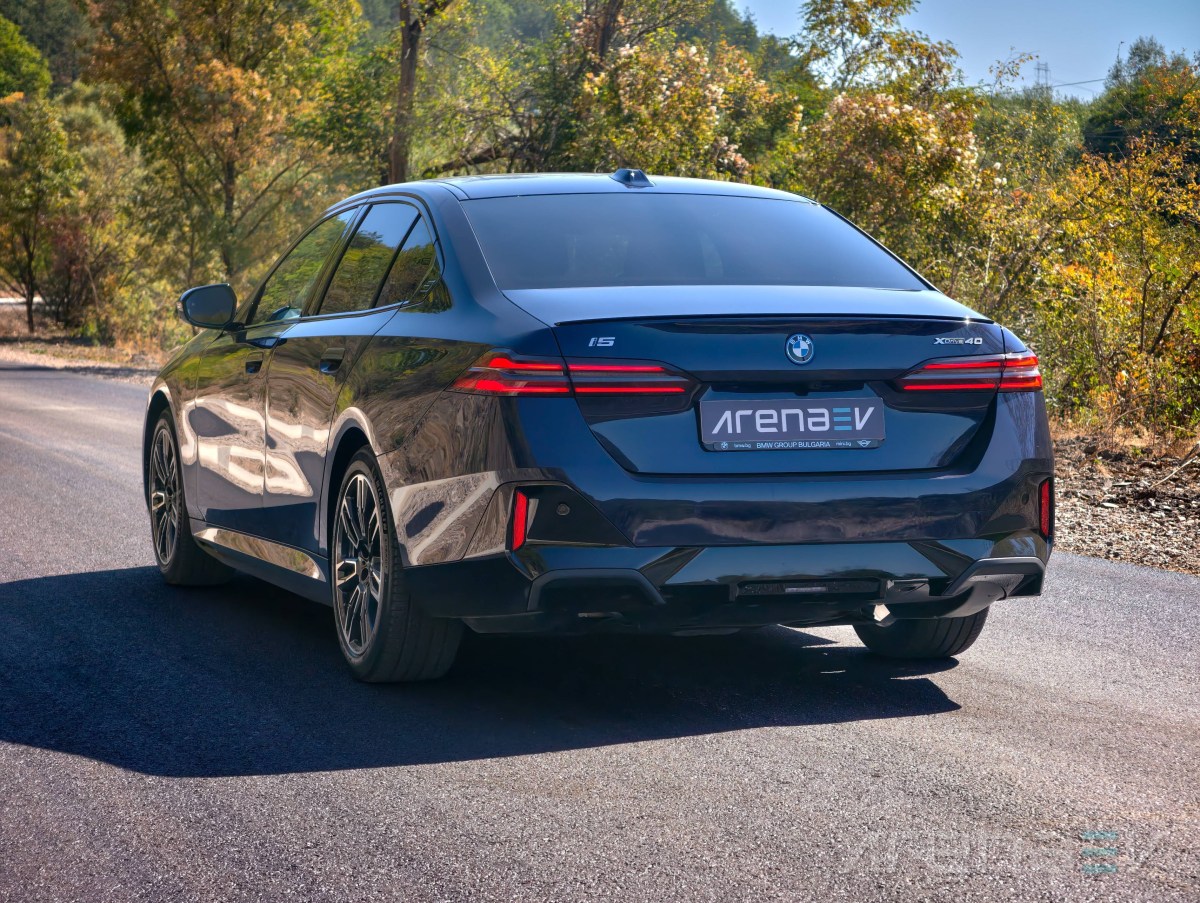
Our previous biggest complaint, the interior material quality, has thankfully been addressed. That now leaves the battery technology as the i5's main weakness. The 81.2 kWh pack is relatively small, charging speeds are merely average and several newer rivals can travel farther while spending less time plugged in. The i5 xDrive40 gets almost everything right. It just deserves a battery that is equally modern.
Pros
- Improved interior materials.
- Awesome handling.
- Great efficiency.
- Much much cheaper than the i5 M60 xDrive.
- Quicker than advertised.
- Quiet cabin at all speeds.
Cons
- Long charging times despite the small battery.
- Small battery, resulting in a shorter range on a single charge.
- No battery size options.
- No frunk.