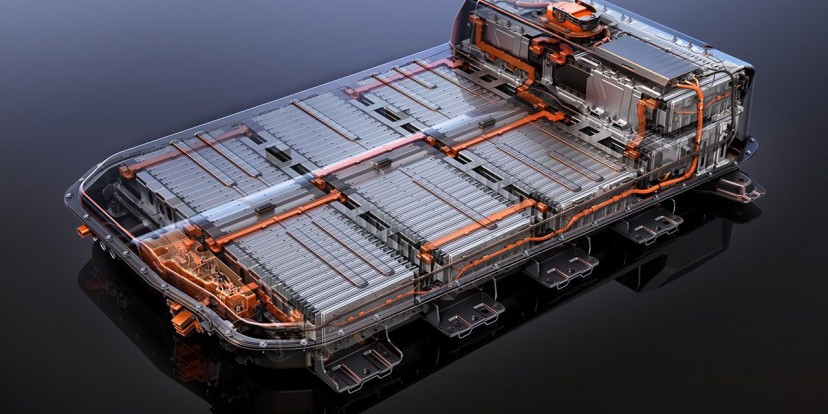
The advancement of electric vehicles (EVs) has been rapidly evolving, yet the technology surrounding their batteries remains a critical barrier to wider adoption. Despite significant progress in recent years, the energy density of existing EV batteries still lags behind that of traditional liquid fuels. Researchers and engineers are actively pursuing breakthroughs in battery technology to increase energy density, improve lifespan, and reduce costs. In this article, we will explore current battery chemistries such as NCM, NCA, and LFP, and examine promising future technologies like Lithium-Air and Solid State batteries.
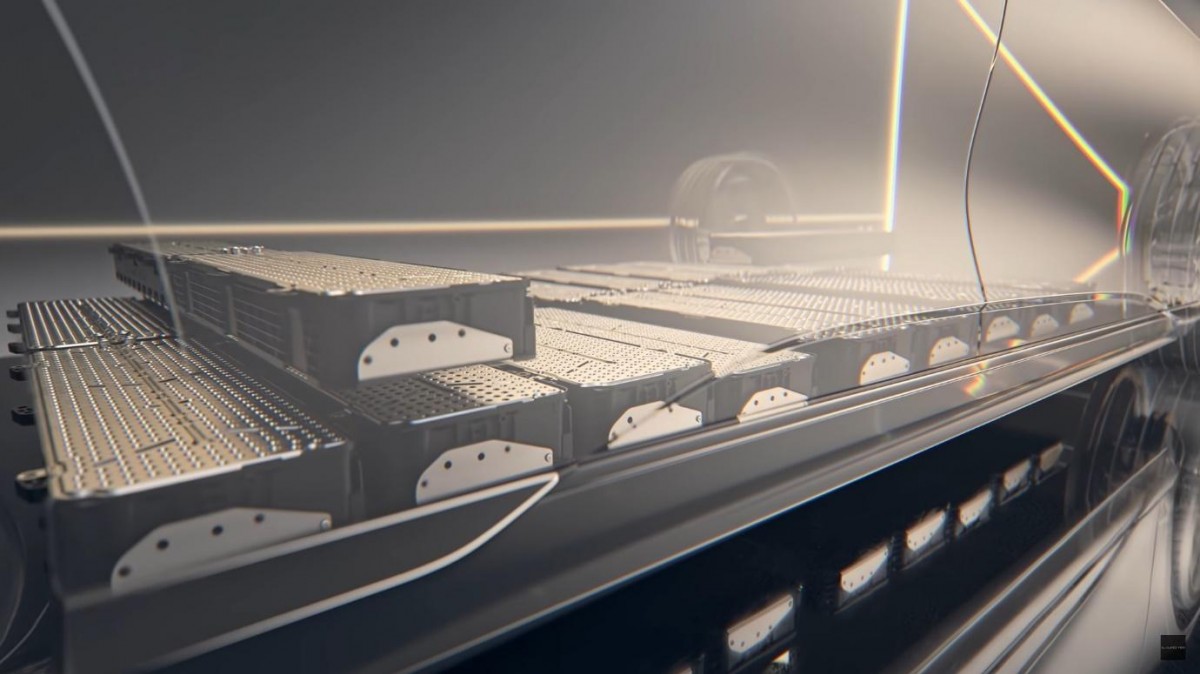 The Innovative Battery Pack of Lucid Air
Current Battery Technologies
Lithium Ion - NCM and NCA Cathodes
Lithium ion batteries have been around for nearly three decades, with the first commercial application found in Sony's CCD-TR1 camcorder. These batteries operate by allowing lithium ions to move between the anode and cathode. During discharge, lithium ions are transferred from the anode to the cathode, while electrons flow through an external circuit, reuniting in the cathode. This process reverses during charging.
| Battery Type | Li-ion NCX |
|---|---|
| Specific Energy (Wh/kg) | 150-325 (High Nickel cathode, cell-to-pack, silicon anode) |
| Battery Endurance (Cycles) | 500-1500 |
| Battery Pack Cost (€/kWh) | 250-280 |
| Weight for 500 km Trip (kg) | 385-830 |
The predominant types of lithium-ion batteries used in EVs include NCM (Nickel-Cobalt-Manganese) and NCA (Nickel-Cobalt-Aluminum). The composition percentages of these metals dictate the performance characteristics. For instance, an NCM 712 battery consists of 70% Nickel, 10% Cobalt, and 20% Manganese. Generally, a higher percentage of Nickel correlates with an increased energy density, positively impacting the battery's weight and dimensions.
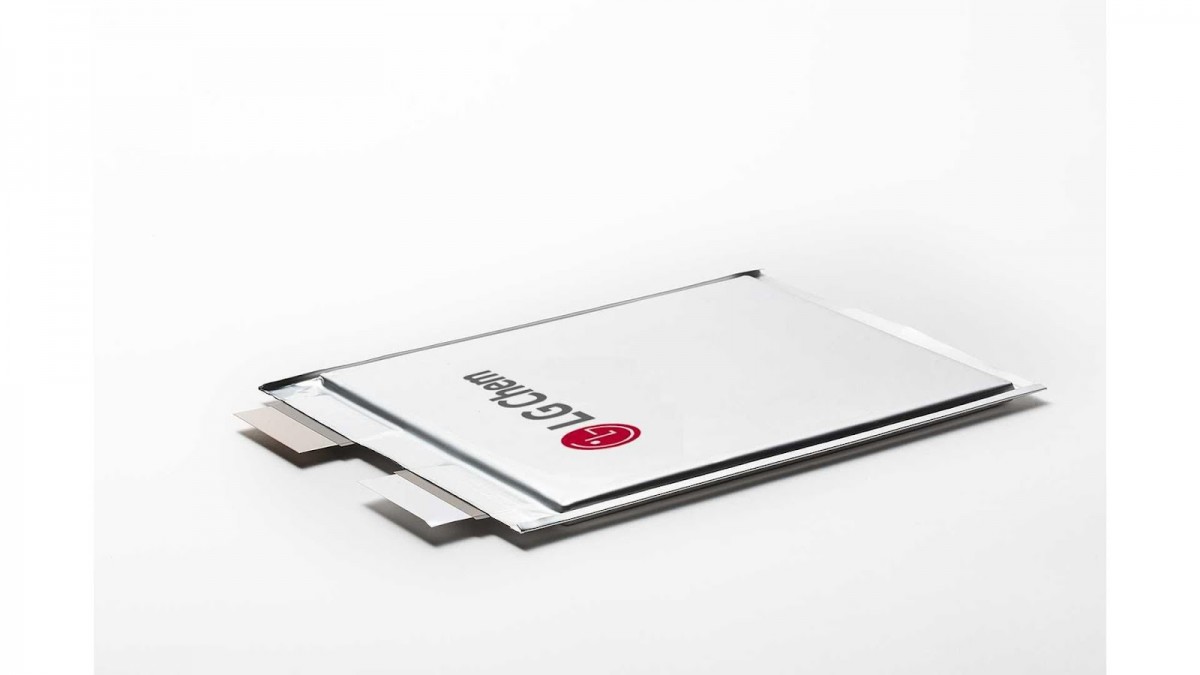 LG Chem's NMC Pouch Cell
Given the ethical concerns and limited availability of Cobalt, manufacturers are striving to minimize or eliminate its use in batteries. Innovations such as high Nickel cathodes and the use of silicon in the anodes help push energy densities up to about 325 Wh/kg, positioning these batteries at the edge of their technological potential.
Lithium Ion - LFP Cathodes
An alternative cathode material used in lithium ion batteries is Lithium Iron Phosphate (LFP). While this option typically offers lower specific energy compared to NCM, it provides longer service life and utilizes materials that are more abundant and cost-effective. Its performance is limited by two main factors:
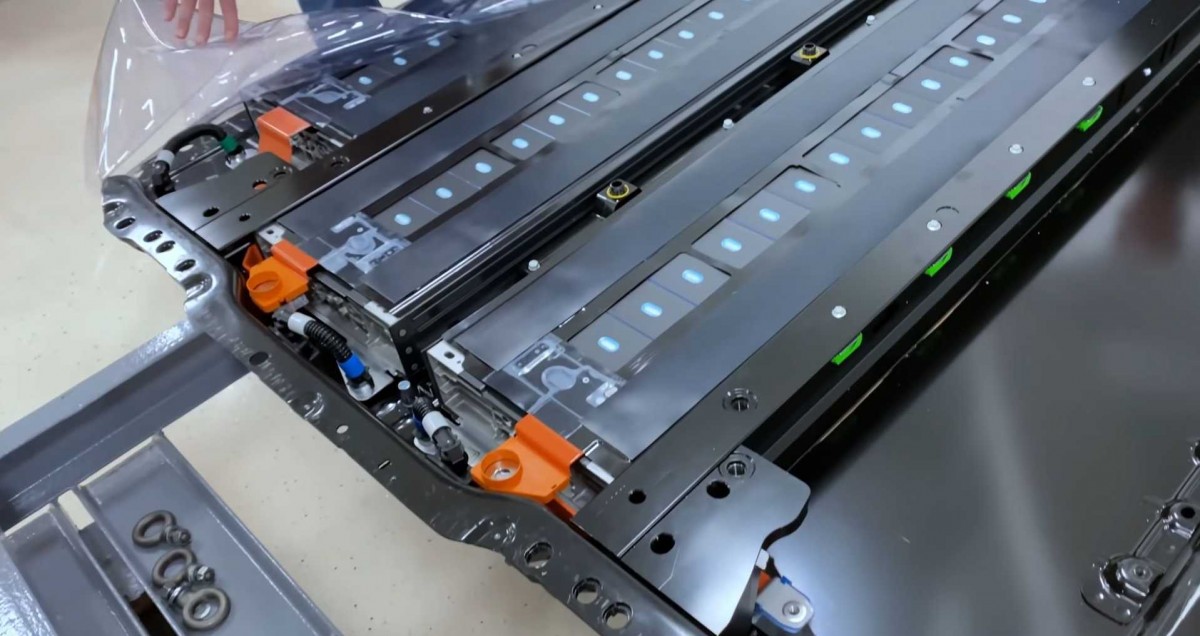 CATL's LFP Battery Pack for Tesla Model 3
First, LFP batteries have a lower maximum voltage, which limits milliamp-hours (mAh) and thus overall capacity. Second, the movement of lithium ions occurs in a single dimension, compared to two dimensions in NCM batteries, reducing maximum discharge power. Consequently, LFP batteries are generally excluded from high-performance applications.
| Battery Type | LFP |
|---|---|
| Specific Energy (Wh/kg) | 120 |
| Battery Endurance (Cycles) | >2000 |
| Battery Pack Cost (€/kWh) | 200 |
| Weight for 500 km Trip (kg) | 1040 |
Tesla utilizes LFP chemistry primarily in the base version of the Model 3, where its advantages of enhanced longevity and the ability to charge to 100% make it favorable despite a heavier battery pack.
Future Battery Technologies
Lithium - Air
Lithium-Air batteries are primarily in the research phase, showing promise for the future of energy storage in EVs. They boast theoretical specific energy levels comparable to liquid fuels at about 11.4 kWh/kg. Lithium acts as the anode, while air serves as the cathode, separated by an electrolyte. During discharge, lithium ions traverse from the anode to the cathode, reacting with oxygen.
| Battery Type | Lithium - Air |
|---|---|
| Specific Energy (Wh/kg) | 11400 |
| Battery Endurance (Cycles) | Very Low |
| Battery Pack Cost (€/kWh) | Unknown |
| Weight for 500 km Trip (kg) | 11 |
Challenges like thermal instability during charging and dendrite formation significantly limit their practical application to laboratory settings. If these challenges are surmounted and the costs become feasible, Lithium-Air batteries could revolutionize the automotive industry.
Solid State
Solid-state batteries represent the 'Holy Grail' in battery technology, with extensive research by leading automotive companies. These batteries replace liquid electrolytes and separators with solid electrolytes, potentially doubling energy density compared to traditional lithium-ion batteries, with estimates of around 500-600 Wh/kg.
| Battery Type | Solid State |
|---|---|
| Specific Energy (Wh/kg) | 500-600* |
| Battery Endurance (Cycles) | 1000* |
| Battery Pack Cost (€/kWh) | Unknown |
| Weight for 500 km Trip (kg) | 200-250 |
Research is ongoing into various solid electrolyte materials, ranging from metallic to ceramic compounds. While no electric cars are yet equipped with solid-state batteries, the first production models are anticipated in the next 2-3 years, representing a tremendous leap forward in EV technology.
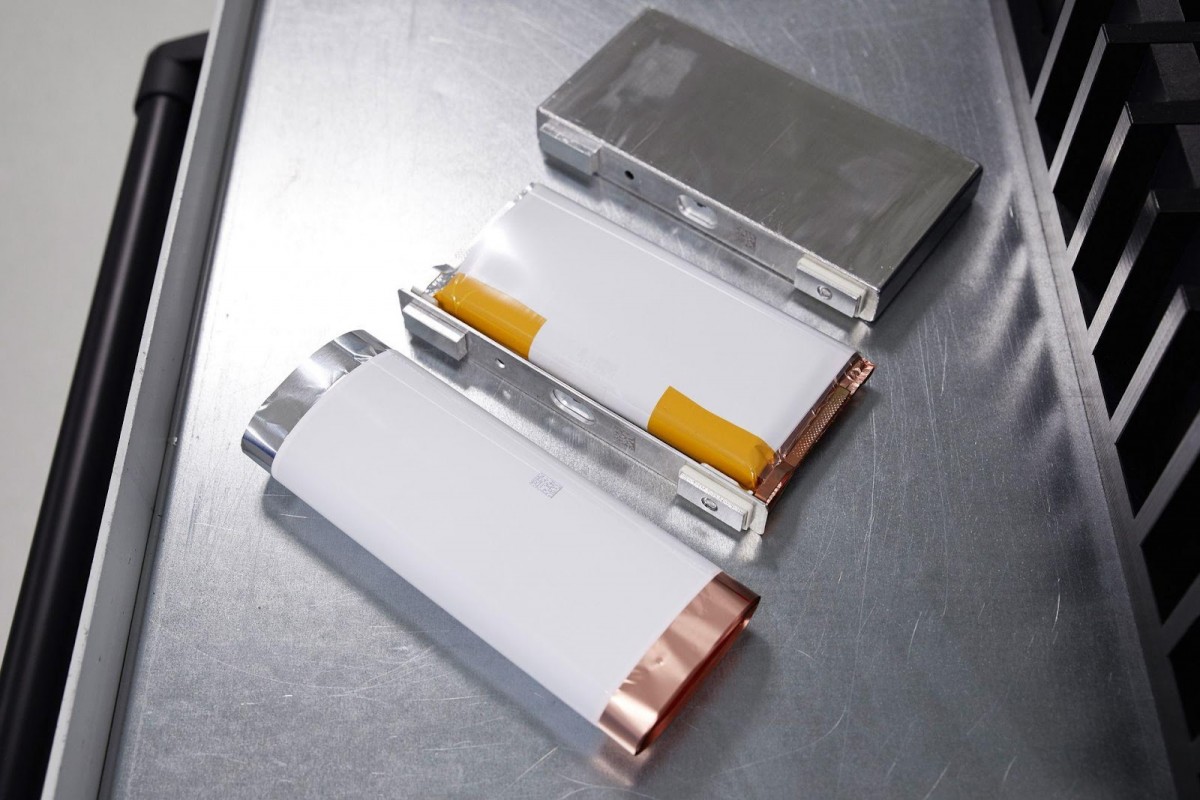 BMW's Solid State Battery Cell