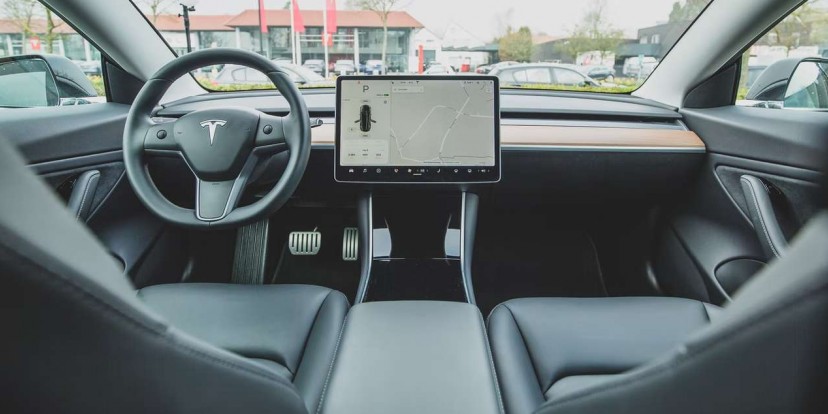
As the automotive industry pivots towards electrification, one salient feature of electric vehicles (EVs) is their avoidance of conventional gearboxes. Understanding the reasons for this shift is crucial. This article will delve into the function of gearboxes in internal combustion engine (ICE) vehicles, and elucidate why electric cars predominantly utilize simpler, more efficient implementations. We will also discuss scenarios where the addition of a gearbox could be useful.
Understanding Gearboxes in Internal Combustion Engine Vehicles
In ICE vehicles, gearboxes serve an essential role, primarily because these engines do not generate adequate torque at idle speeds. Consequently, higher revolutions per minute (RPM) are required to produce sufficient torque for vehicle movement. The gearbox acts as a torque multiplier, enabling the engine’s power to translate into usable force at the wheels. To illustrate, if a first gear has a gear ratio of 3:1, coupled with a final drive ratio of 3:1, the torque generated at the wheels becomes nine times that produced by the engine—an indispensable mechanism for ICE cars.
However, this system, with its inherent complexities and potential inefficiencies, also adds extra weight and can reduce overall fuel efficiency due to energy losses in the drivetrain.
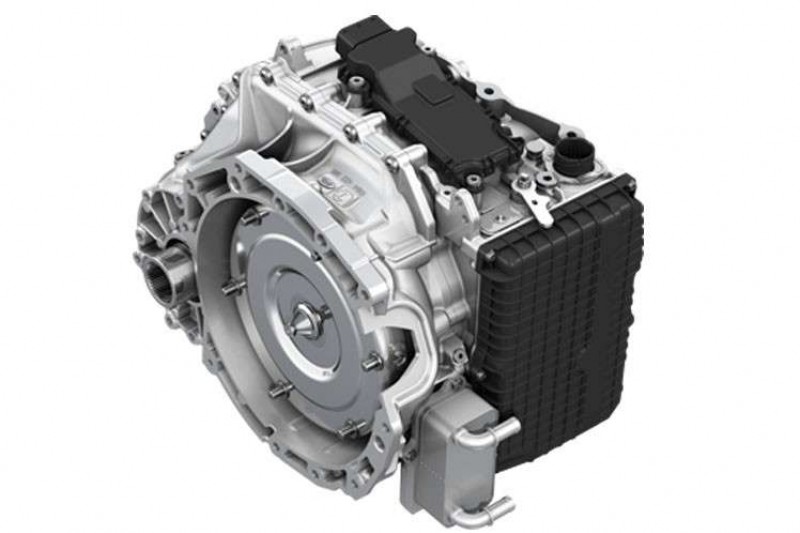 Modern automatic gearbox with 9 gears. The ZF 9HP.
The Case for Electric Vehicles
Electric motors inherently possess characteristics that can largely eliminate the need for traditional gearboxes. Three main advantages are observed: significant torque at rest, high RPM capabilities, and electronically capped top speeds. To elaborate, electric motors deliver substantial torque immediately, reducing the necessity for gear ratios to amplify torque. Additionally, the ability of electric motors to reach up to 20,000 RPM facilitates top speed attainment with just a single gear ratio.
Moreover, the electronically limited top speed of most electric vehicles partly arises from the comparatively lower energy density of current batteries versus traditional fuels. For instance, the BMW i4 eDrive 40 demonstrates this well, boasting a maximum motor torque of 430 Nm from 0-5000 RPM and a combined gear and final drive ratio of 11.115:1, resulting in an impressive wheel torque of 4,780 Nm.
This design allows electric cars, like the BMW i4, to excel in acceleration from a standstill, making them particularly swift off the line.
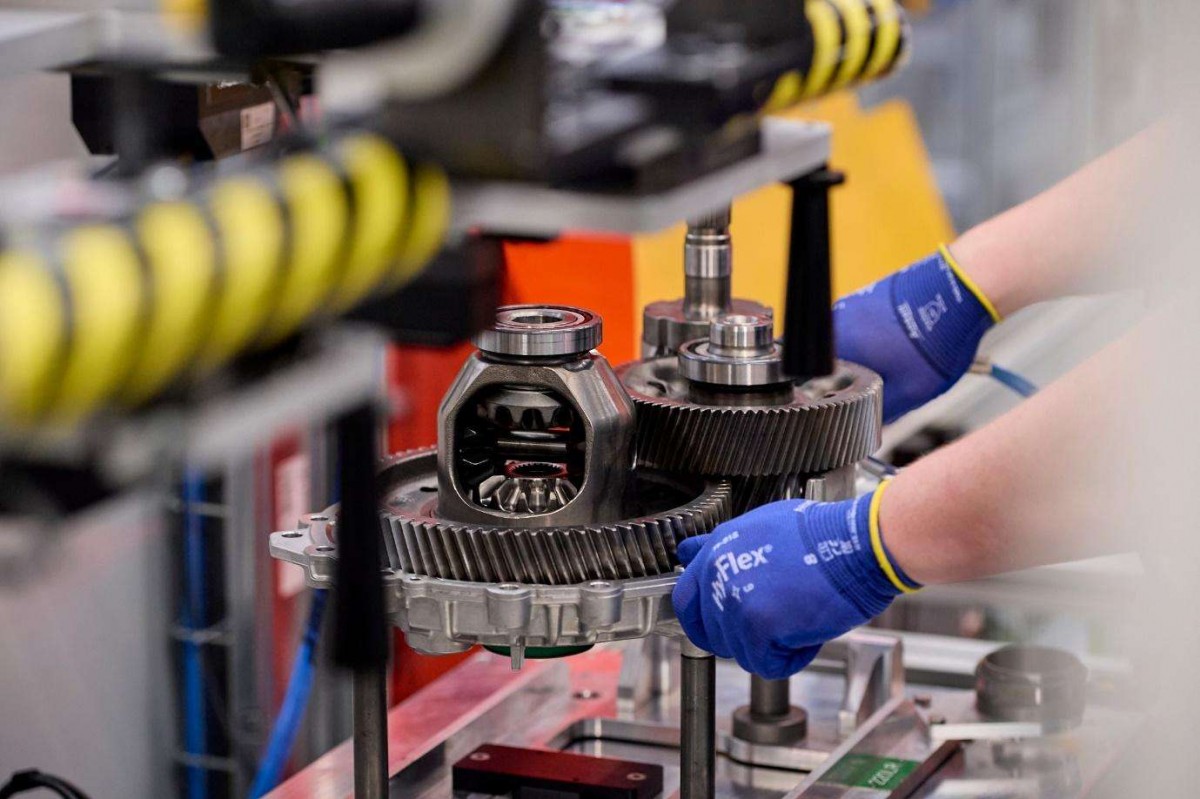 The single-speed gearbox of the BMW i4.
Two-Speed Gearboxes: A Unique Scenario
Some high-performance electric vehicles, such as the Porsche Taycan and Audi E-Tron GT, incorporate a two-speed gearbox. This decision stems from a desire for a rapid acceleration at lower speeds coupled with less motor RPM at higher velocities, enhancing efficiency and augmenting range.
The challenge associated with such gearboxes is their capacity to manage the immense torque generated by electric motors. While advancements are underway to create reliable two-speed systems for electric vehicles, widespread adoption remains hampered by costs and complexity.
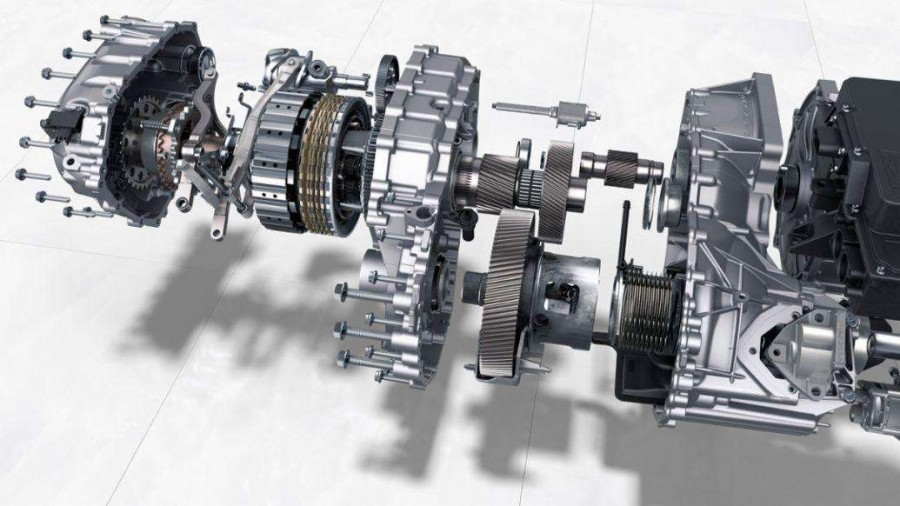 Porsche Taycan’s two-speed gearbox


