In an impressive display of electric vehicle performance, the Tesla Model S Long Range (LR) has emerged victorious in the annual winter range test conducted by Motor.no in collaboration with the Norwegian Automobile Federation. This test, which pits various electric vehicles against one another under frigid conditions, reveals the true range capabilities of these vehicles compared to their advertised WLTP figures. The competition included a diverse lineup of 28 vehicles, showcasing both familiar names and emerging brands from China.
This year's results highlight the challenges EVs face in cold weather, with temperatures during the test averaging between -5°C and -10°C, and even dipping to -19°C on some stretches. Despite charging limitations preventing the Model S from reaching 98% capacity, it still managed to shatter the previous record held by the Model 3 with an actual range of 530 kilometers, showcasing Tesla's prowess in range performance.
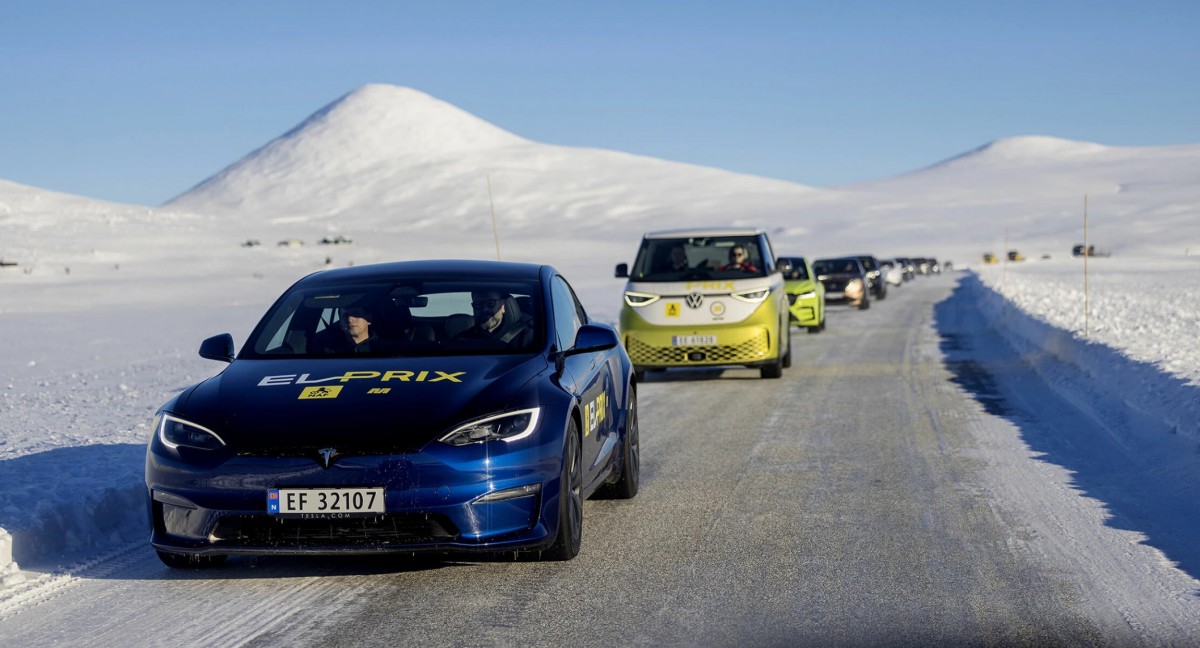
The performance of the Model S was remarkable, as it deviated only 16.4% from its WLTP range, a small percentage compared to many competitors. This robust showing further establishes Tesla's reputation in the electric vehicle market.
| Model | Advertised range (WLTP) | Actual range | Deviation from WLTP |
|---|---|---|---|
| Tesla Model S LR | 614km | 530km | -16.40% |
| Mercedes EQE 300 | 614km | 409km | -33.39% |
| BMW i7 xDrive60 | 595km | 424km | -28.74% |
| Nio ET7 100kWh | 580km | 434km | -25.17% |
| BMW i4 eDrive40 | 565km | 434km | -23.19% |
| Maxus Euniq6 | 354km | 317km | -10.45% |
The results showcase a stark reality — most electric vehicles lost between 20% and 30% of their claimed WLTP range in the test conditions, with the Mercedes EQE 300 and Toyota bZ4X suffering the biggest declines at 33.39% and 35.79% respectively. This underscores the importance of understanding real-world EV performance in various environmental conditions, particularly for consumers considering their next vehicle purchase.
Interestingly, the list also included 12 Chinese-made vehicles, highlighting the growing presence of these brands in the European market, with some models soon to be available for consumers. As the electric vehicle market continues to evolve, tests like this will remain crucial for evaluating performance disparities under real-world conditions.
Source


