Electric drivetrains represent a paradigm shift in the automotive industry, rendering numerous components of Internal Combustion Engine (ICE) vehicles largely irrelevant for electric vehicles (EVs). This article outlines the key differences and similarities between ICE and electric cars.
New Components in Electric Vehicles
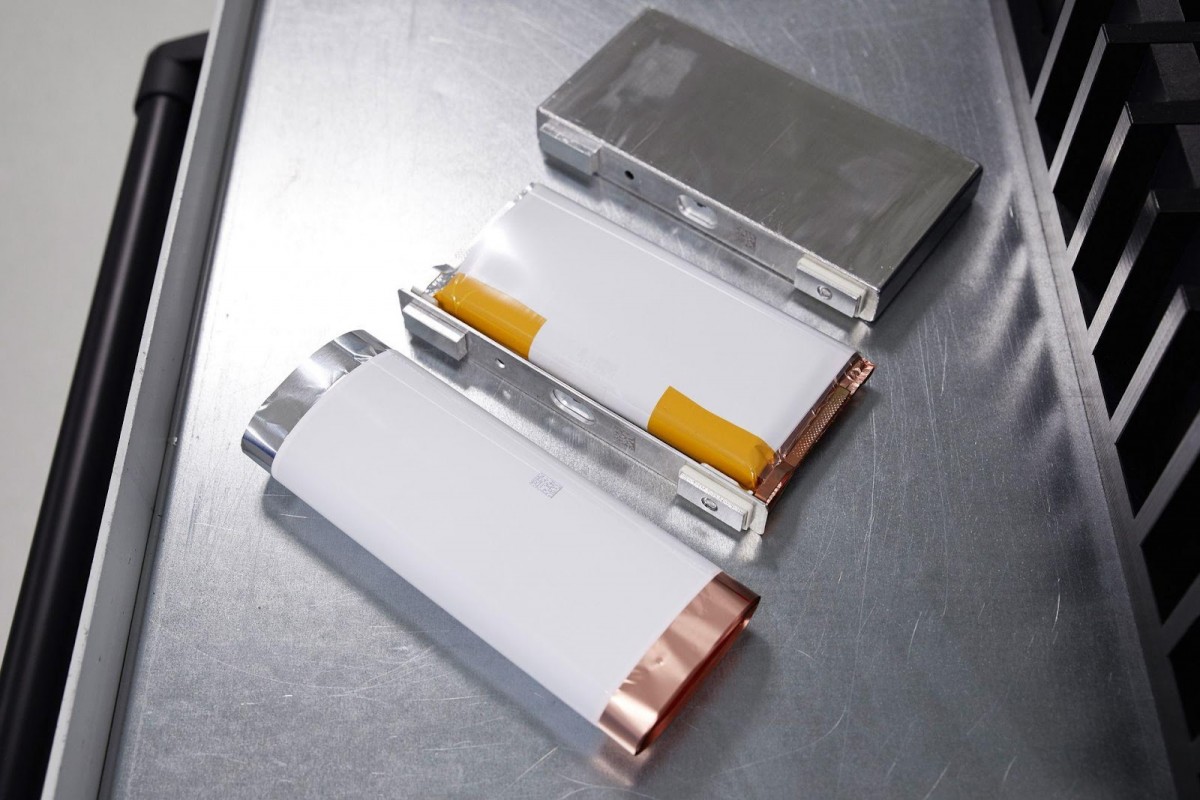
The first and most significant component unique to EVs is the high voltage battery, which functions similarly to a fuel tank in an ICE vehicle by supplying the electric motor with the necessary energy.
Next is the electric motor, which converts electrical energy into mechanical energy to propel the car. However, there's a crucial distinction: the electric motor operates using 3-phase AC (alternating current), while the high voltage battery supplies DC (direct current).

To facilitate communication between these two components, an inverter—referred to as a power electronics device—plays a vital role. It transforms the DC from the high voltage battery into 3-phase AC for the electric motor during propulsion. Conversely, during regenerative braking, the inverter converts AC back to DC to recharge the battery.
The inverter’s efficiency significantly impacts the overall performance of the EV. Additionally, the onboard charger acts as another essential “interpreter,” converting AC from the grid into DC for battery charging. High-power DC charging bypasses this charger.
Heating the cabin presents a notable difference between ICE and EVs. Electric vehicles utilize PTC heaters (Positive Temperature Coefficient) and heat pumps, as they lack the excess thermal energy that ICEs produce, owing to their low thermal efficiency. Consequently, special devices are required to generate heat for the cabin and batteries.
Another vital new component is the DC/DC converter, which changes the high voltage DC from the battery into 12V to power low-voltage components, such as lights, infotainment systems, and electric windows.
Finally, the charging socket is a critical component unique to electric vehicles.
Differences in Operation
While both ICE and electric vehicles use an air conditioning compressor, their powering methods differ. In EVs, the compressor is a high-voltage device powered by the battery, whereas in ICE vehicles, it operates mechanically from the engine's crankshaft. Thus, activating the air conditioning in an ICE car can lead to a slight power reduction as it draws power from the engine.
Gearboxes are utilized in both types of vehicles; however, electric cars typically operate with a simpler one-speed system, while modern ICE vehicles often feature complex multi-speed transmissions.
The braking systems also show a marked difference. In electric vehicles, pressing the brake pedal activates the electric motor as a generator for initial braking and battery recharging—a system known as regenerative braking. Conventional hydraulic brakes only engage when more stopping power is necessary, leading to less frequent use of the hydraulic system and extended brake component life. In contrast, ICE vehicles utilize hydraulic brakes with every pedal application.
The simplicity of the electric motor is another significant differentiation. Comprising only two moving parts, electric motors require minimal maintenance compared to the complex internal combustion engines, which have numerous moving parts and require regular upkeep such as oil changes, filter replacements, and timing belt maintenance.
 High voltage A/C compressor from Rheinmetall Automotive
Similarities in Design
Despite the differences, many components related to suspension, wheels, and tires are similar in both vehicle types. For instance, both ICE and electric cars often share the same suspension architectures. Electric vehicles based on ICE platforms typically utilize identical suspension designs as their counterparts, whereas those on dedicated platforms frequently feature advanced independent suspension systems.
Furthermore, electric and ICE cars can share tires designed for low rolling resistance. Although aerodynamic wheel designs used to vary, many recent ICE models are now equipped with “aero” wheels aimed at reducing drag, akin to those found on electric cars. This similarity is essential, as it significantly impacts overall vehicle efficiency.
Lastly, both EVs and ICE vehicles employ similar electromechanical steering systems equipped with control units that facilitate advanced driver assistance technologies.
 Tesla Model 3 and Skoda Fabia aero wheels design
Conclusion
In conclusion, the primary differences between ICE and electric vehicles stem from their distinct propulsion systems, which necessitate various components. However, many commonalities persist, highlighting that both types of vehicles share fundamental characteristics. This overall similarity benefits the automotive industry by promoting user familiarity and potentially lowering production costs.