Apple's Vision Pro: A Missed Opportunity in the XR Market
In a bold move that sparked widespread anticipation, Apple unveiled its Apple Vision Pro in February 2024, marking its entry into the extended reality (XR) industry. This announcement set the stage for what many hoped would be a revolutionary product. However, as time has passed, it seems that Apple's ambitious endeavor has been marred by critical missteps that could define its place in the annals of tech history.
A Costly Oversight
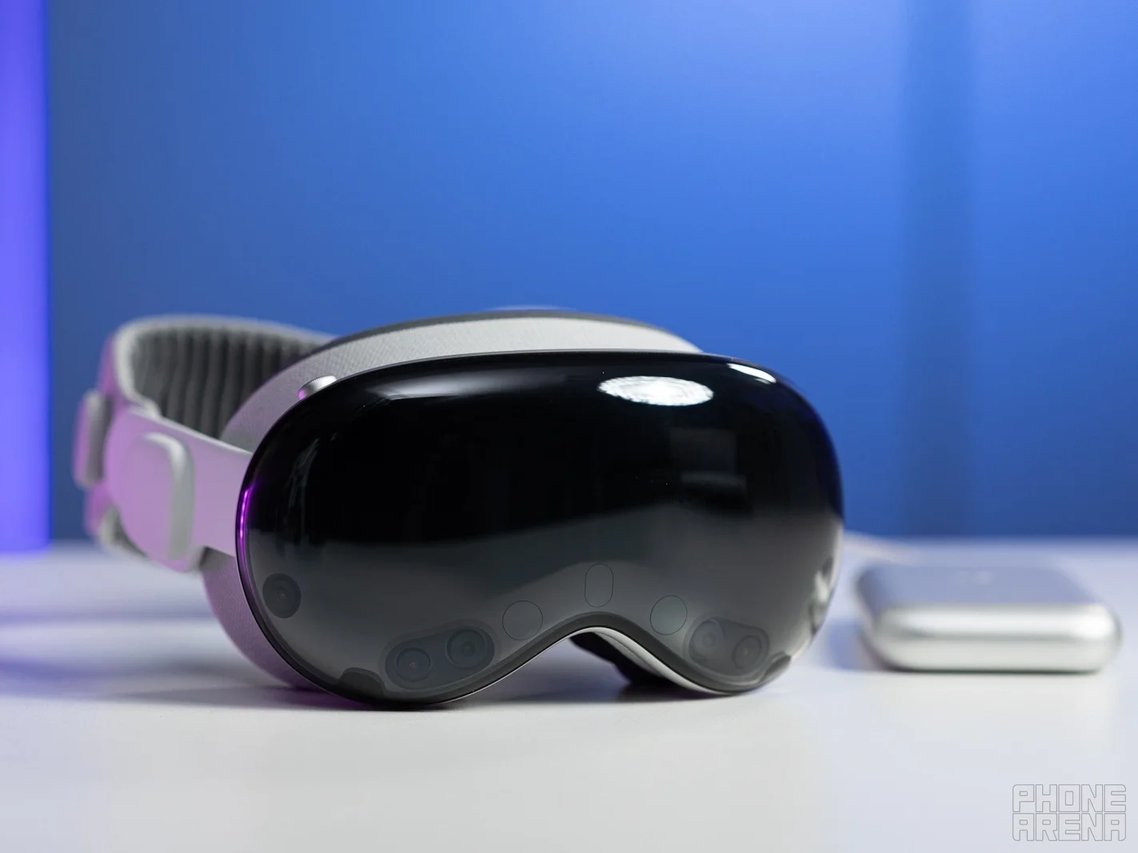
The primary reason for the Vision Pro's lackluster sales is its steep price tag of $3,499. Even diehard virtual reality enthusiasts found it hard to justify such an expensive investment, especially with international price variations that only exacerbated the issue. Industry experts, including former Oculus head Hugo Barra and even some Apple executives, have pointed out that the headset has been overly engineered, making it unnecessarily expensive.
The Missed Opportunity for Affordability
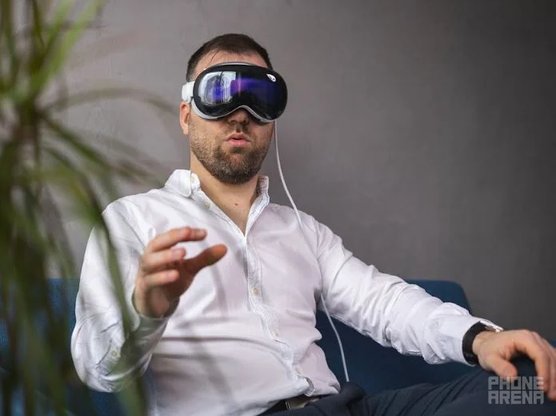
Furthermore, it seems that an affordable variant, possibly named the Vision Air, was always on the drawing board. Reports indicate that Apple had been developing this option but opted not to release it alongside the original Vision Pro. Without a more accessible version, the Vision Pro remains out of reach for most consumers, missing a critical segment of the XR market.
The Essential Features that Were Left Out
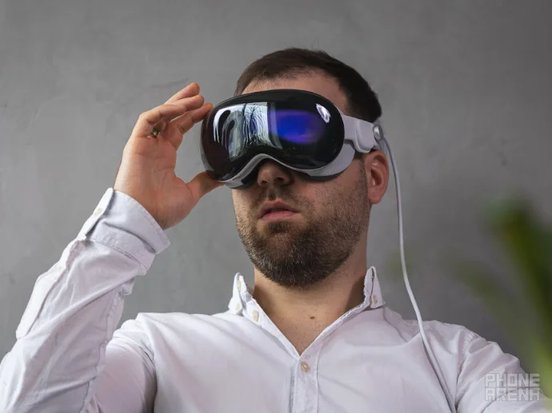
Another significant shortcoming of the Vision Pro is the absence of dedicated controllers, making it unsuitable for a wide variety of popular VR games. This gap in functionality could deter potential customers who seek a comprehensive VR experience.
A Lesson Learned for Apple
In conclusion, Apple's foray into the XR market with the Vision Pro serves as a cautionary tale about the importance of pricing and consumer accessibility. Ultimately, the company's approach showcases that even the most revered tech giants can falter in understanding the needs and limits of their audience.


