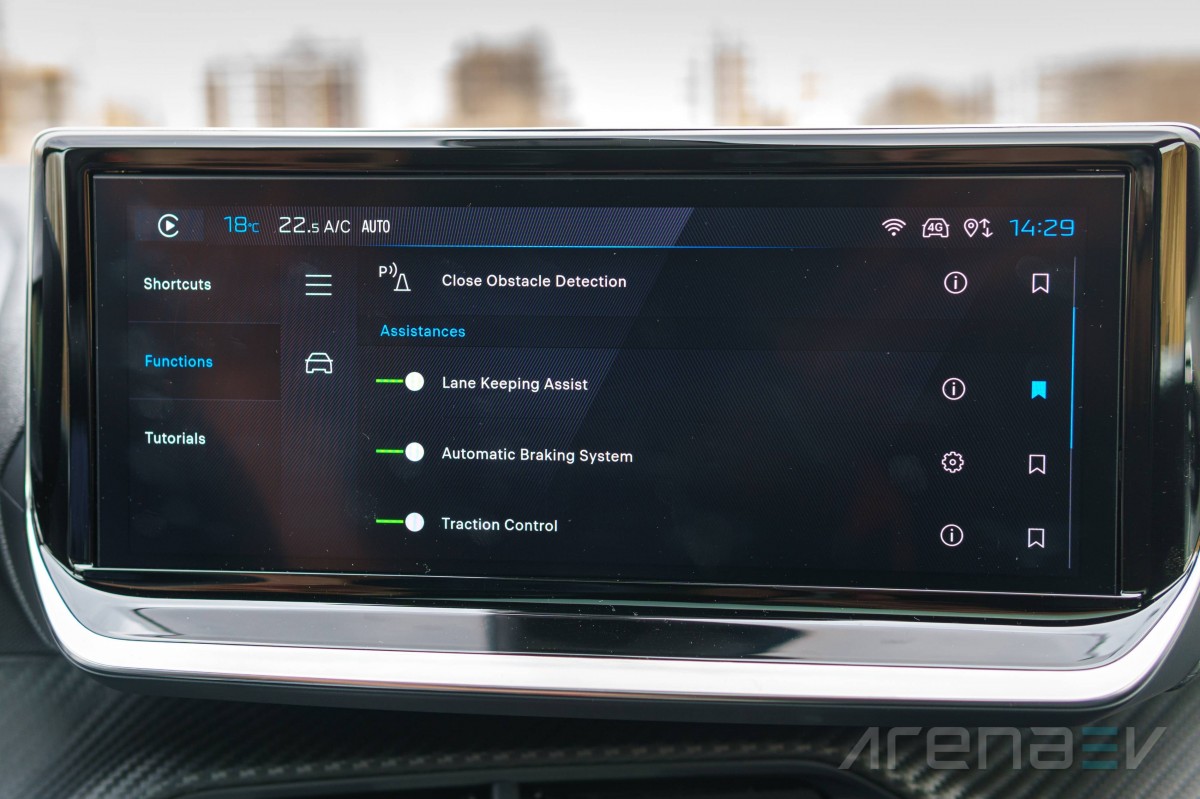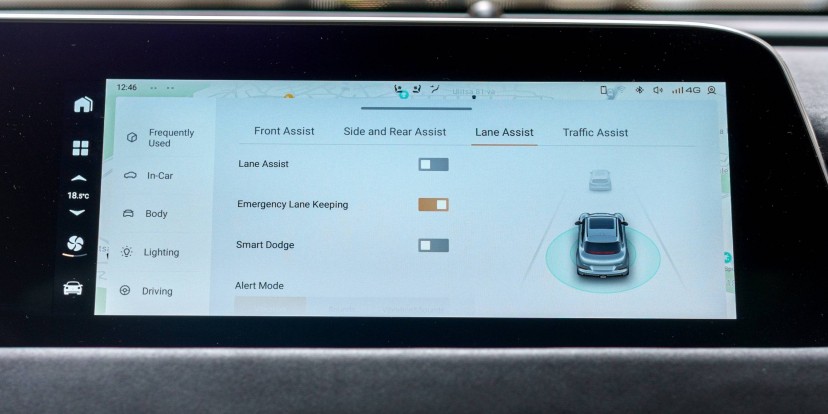
Modern vehicles increasingly incorporate advanced passenger safety features aimed not just at surviving crashes but preventing accidents altogether. However, drivers often notice an escalation in the frequency and intensity of warning beeps, chimes, and other alerts. We explore the reasons behind these signals and the role of regulations shaping their implementation.
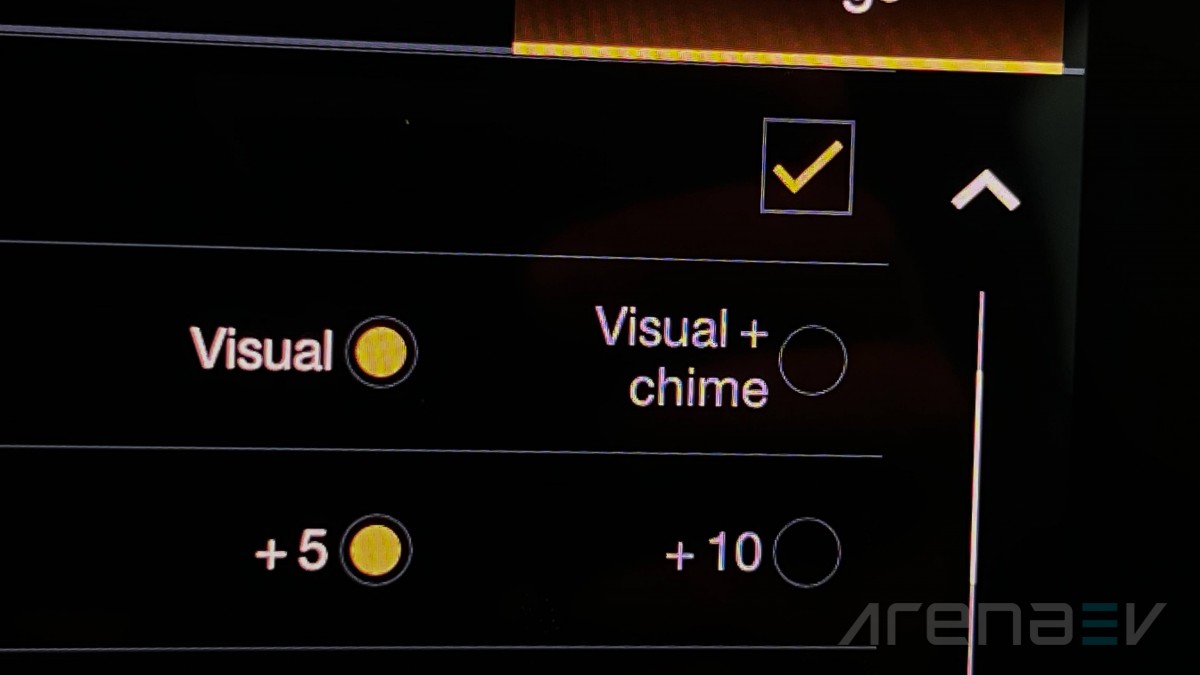
European and American road safety authorities are the primary regulators in this arena. As of July 6, 2022, all vehicles sold in Europe are required to feature systems such as lane-keeping assist, automated emergency braking, intelligent speed assistance, reversing detection (via camera or sensors), driver attention warnings, event data recorders, cybersecurity measures, and emergency stop signals.
US regulations largely align with Europe’s, facilitating cost-effective development for vehicles sold in both markets. Other regions often have less stringent guidelines, which may allow manufacturers to omit some or all of these safety assistants.
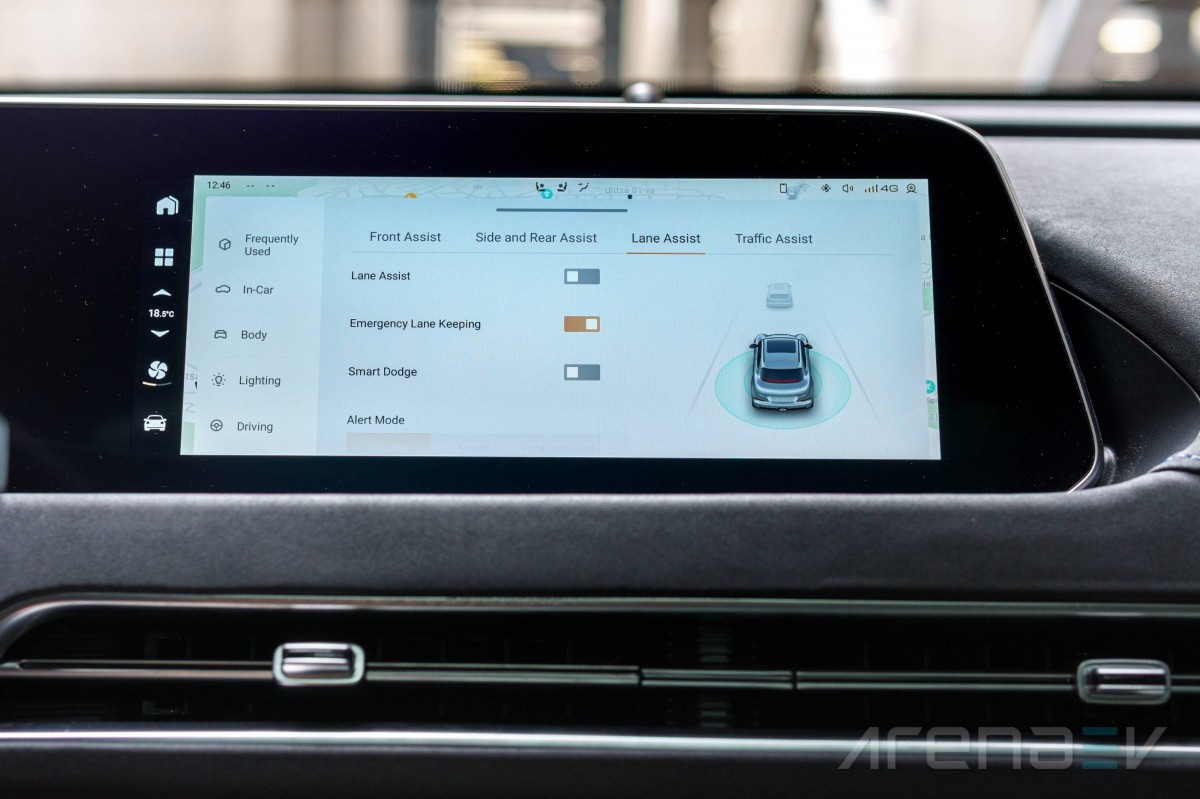
Nevertheless, this does not fully explain why some vehicles feature persistent, intrusive beeping that cannot be easily disabled, while others provide drivers with more control to toggle alerts or deactivate certain systems deemed unnecessary.
The European New Car Assessment Programme (Euro NCAP) has become a decisive benchmark in safety ratings. Vehicles with poor Euro NCAP scores often suffer reduced market appeal, prompting manufacturers to prioritize compliance and innovation in safety technology.
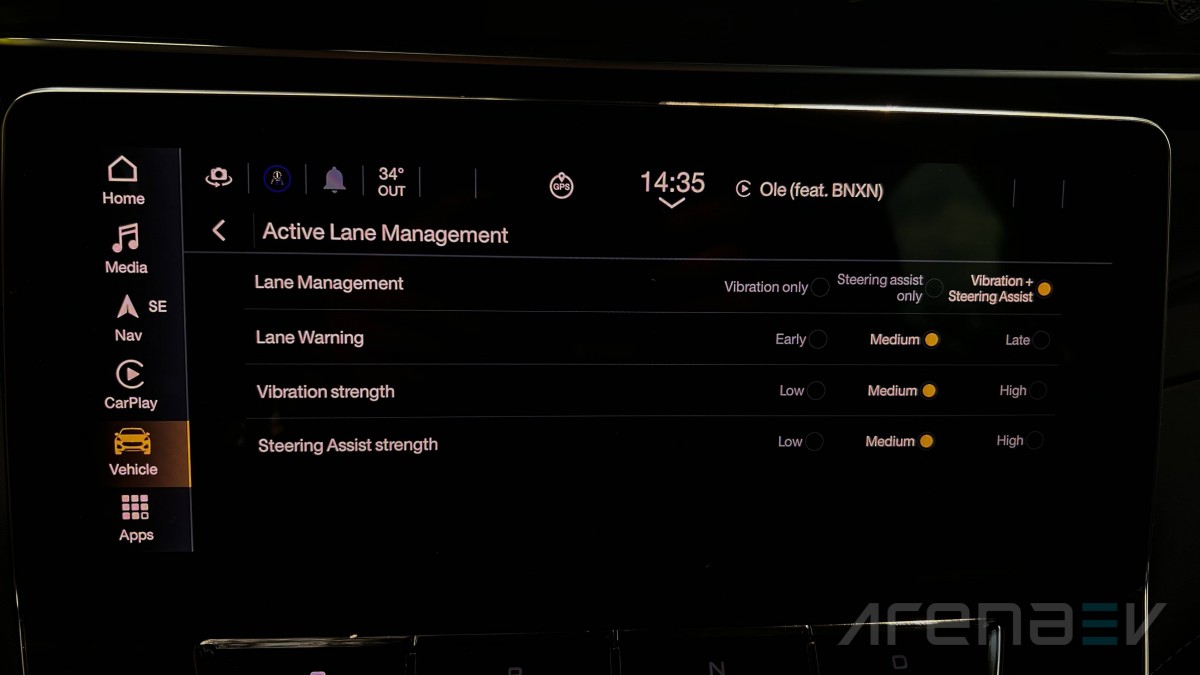
However, as with any comprehensive testing protocol designed to cover a broad range of vehicles, Euro NCAP’s criteria include certain ambiguities and loopholes. Some manufacturers exploit these to varying degrees, while others adhere strictly to the intended standards. For example, in our tests, systems like lane-keep assist and speed warnings on vehicles such as the Hyundai Ioniq 6 and Kona Electric proved intrusive, whereas in premium models like the Volvo EX30 or Mercedes EQS SUV, these features were subtle and offered easy disablement options.
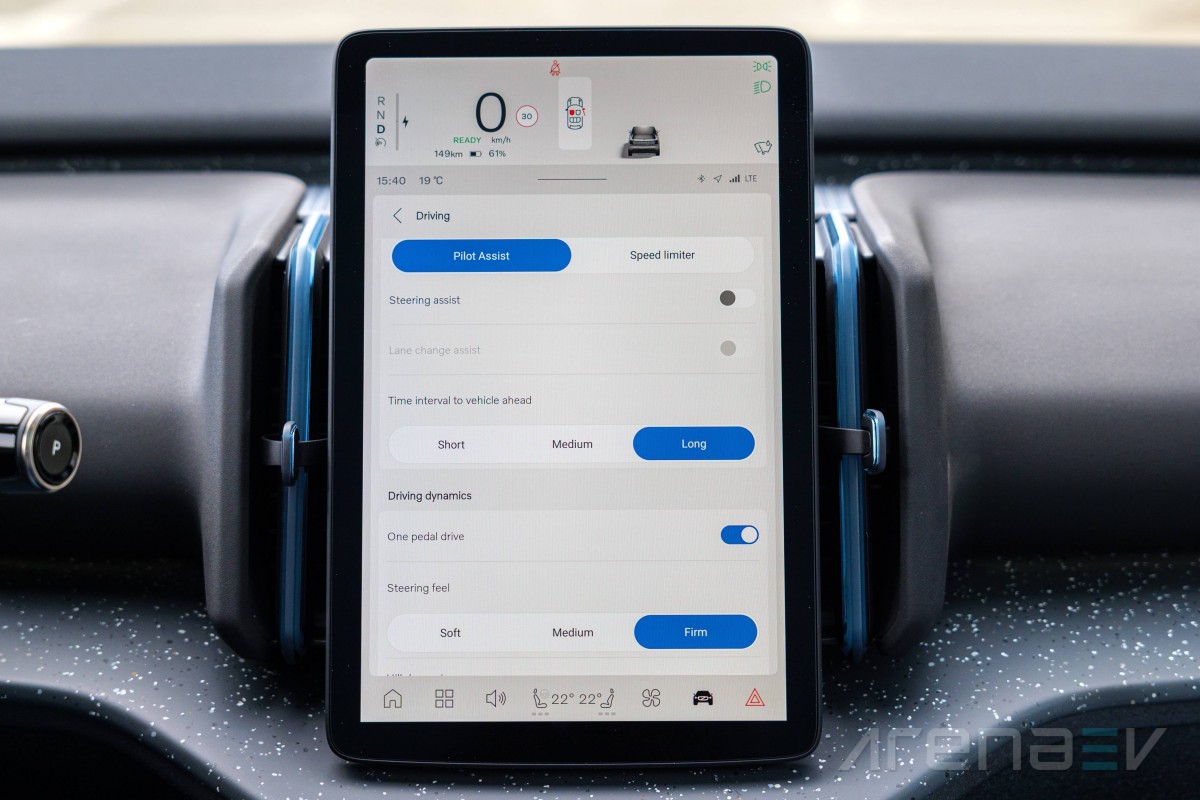
During testing, we typically activate lane-keep assist but frequently turn it off before completing our drives. On poorly maintained roads with potholes, lane-keep assist can hinder timely driver reactions by working to keep the vehicle strictly within lane boundaries. It often makes exiting the designated trajectory difficult. Additionally, sudden lane merges or unclear lane markings may confuse the system, resulting in erratic steering corrections.
On unmarked roads, lane assist systems may misinterpret lane lines, causing unintended swerving. For this reason, we recommend using lane-keep assist primarily on highways, where road infrastructure is optimal and environmental factors minimal.
Euro NCAP’s overall ratings encompass adult, child, and pedestrian protection, alongside a newer category for safety systems. This last component plays a critical role in final scores. Consequently, manufacturers sometimes overcompensate with overprotective alerts to boost their rating. Terms such as "loud and clear" tones, "audible" chimes, and "sufficient steering interruption" in lane-keeping assist allow interpretive flexibility.
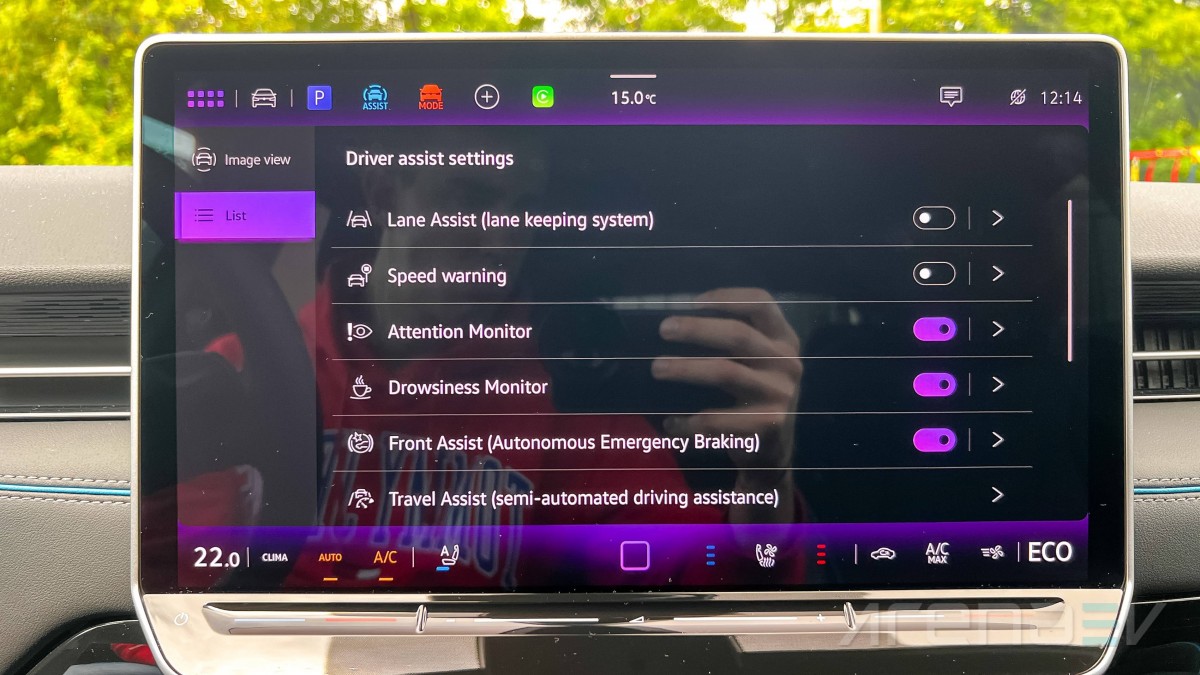
Cost considerations also drive variations in alert behaviors. Cheaper vehicles typically adopt more intrusive alert strategies. For instance, the Driver State Monitoring (DSM) system mandates audible warnings if a driver appears inattentive for a set period. Testing simulates diverse distracted driving scenarios, requiring timely system responses. However, there is no minimum threshold for response time, enabling manufacturers to trigger alerts prematurely to guarantee a perfect score. This approach reduces sensor complexity and development expenses but can lead to frustrating false alarms, such as beeping when checking mirrors, as noted in our Hyundai Kona review.
Conversely, some manufacturers offer easy ways to deactivate these systems. While Euro NCAP forbids disabling lane, collision warning, and speed assistance with a single physical button, some bypass this by integrating controls into touchscreen menus. For example, the Mercedes EQE employs a stationary menu on its Hyperscreen, and the Volvo EX30 displays settings at startup for quick adjustments. We expect these loopholes to be addressed in future Euro NCAP revisions.
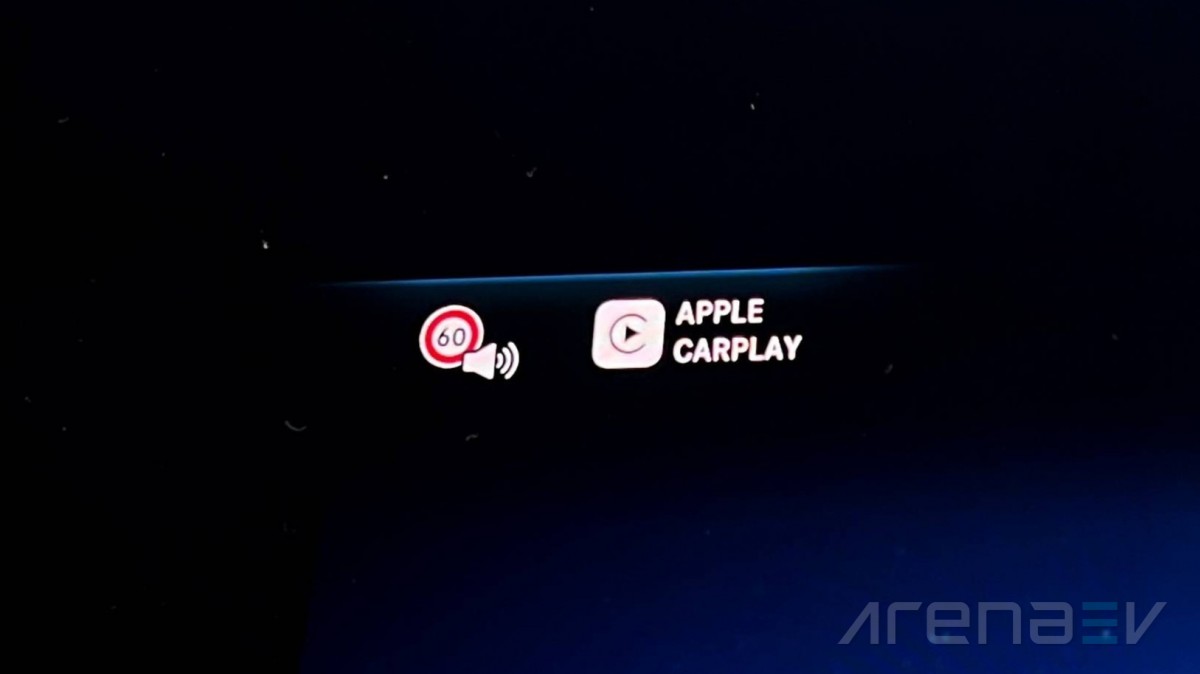
Speed prevention systems are another key element. Most modern cars recognize traffic signs and warn drivers about speeding. Vehicles that actively limit speed achieve higher safety scores. In our Kia 9 review, we observed sudden speed reductions uphill on highways—potentially dangerous in heavy traffic—but these actions earned safety points for adapting speed to road conditions. Although such features can be preset to ON or OFF, Kia’s system resets to ON with each trip.
Despite their conceptual appeal, these systems face practical limitations. Effective operation demands well-maintained infrastructure with clearly visible signage free from obstructions. In real-world conditions, signs can be blocked by vehicles or accompanied by complex modifiers (e.g., weather conditions, time restrictions), which many cars fail to interpret correctly, resulting in false or inappropriate alerts.
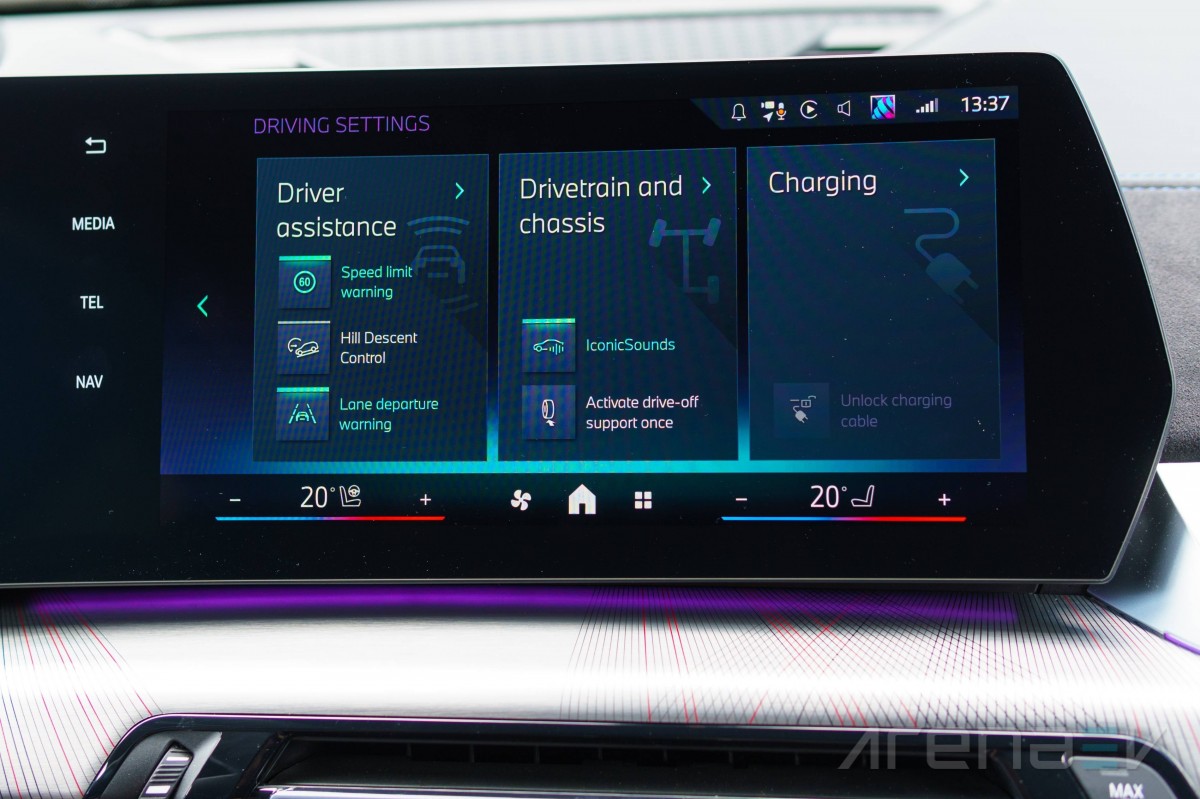
Ultimately, the level of beep frequency and alert intrusiveness often boils down to cost management. Manufacturers aiming to reduce research and development expenses may compromise on sensor quality and sensitivity, while premium brands invest more to balance high safety ratings with driver comfort.
The effectiveness of these systems varies widely depending on driving style, infrastructure quality, and local traffic conditions. No technology currently matches the predictive ability of an attentive, experienced driver. Ideally, these systems should support drivers rather than replace their judgment. So far, perfect synergy among all safety features remains a theoretical goal, and in some cases, excessive assistance may inadvertently cause more harm than good.
In our vehicle tests, we consistently evaluate these safety systems to determine whether they enhance the driving experience. Unfortunately, the sheer number of overlapping alerts often causes distraction, forcing us to disable one or more systems during testing. While maximizing safety is paramount, incessantly loud or unnecessary warnings diminish comfort and driver focus, making disabling them a routine part of starting certain vehicles—a solution beneficial to no one.