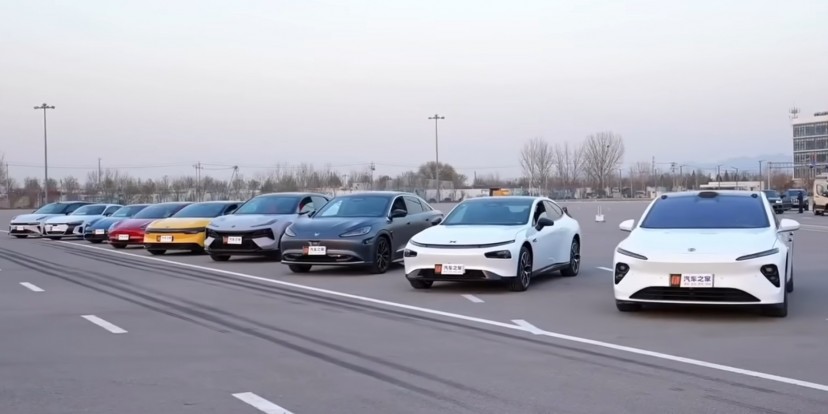
Electric vehicles combine efficiency, quiet operation, comfort, and advanced technology with the thrill of instant torque and immense power. A team in China conducted a test to determine which of the current mass-market electric cars is the fastest, pitting the top 10 models against each other to see which could reach 62 mph first. They also performed braking tests to ensure safety standards were met.
Since the test took place in China, some participating vehicles may be less familiar to international audiences. The lineup included: Neo ET7, XPeng P7 (known locally as P7i), Arcfox Alpha S, Tesla Model 3 Performance, Porsche Taycan Turbo, Audi RS e-tron GT, Tesla Model S Plaid, Zeekr 001 FR, Lotus Eletre R+, and the latest Zeekr 007. Each car was charged to 80% and tires were inflated according to the manufacturers' specifications.
The ambient temperature was approximately 32°F, consistent for all vehicles, ensuring a fair comparison. Each car was equipped with precise measuring devices for accurate results.
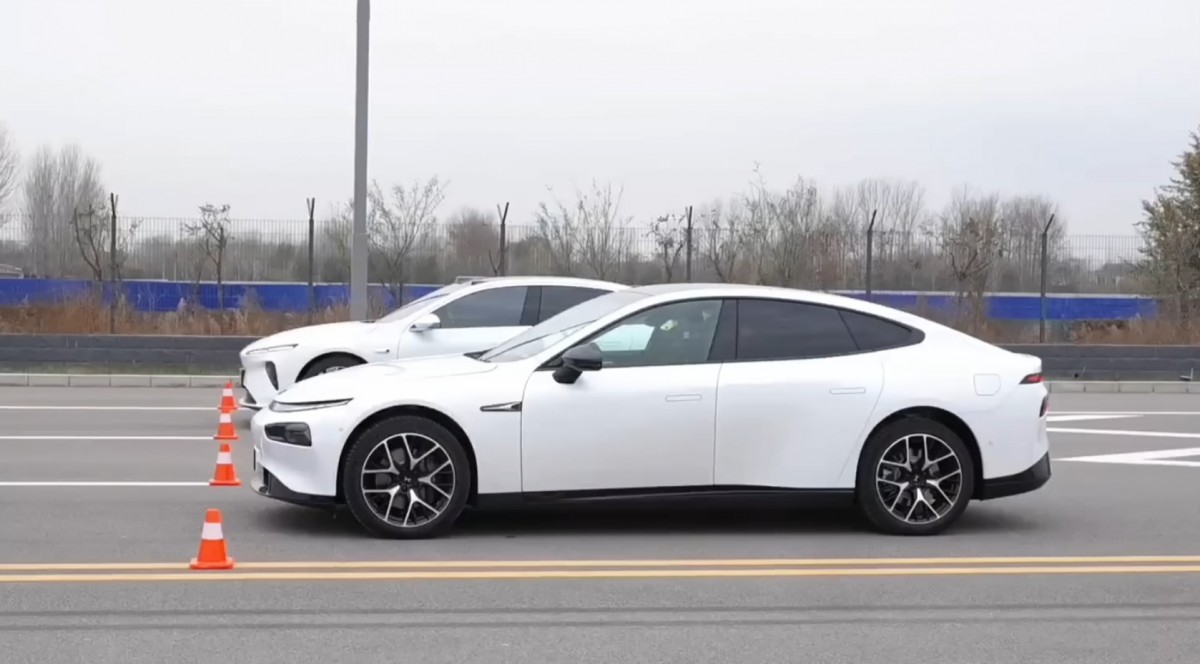
Below is an overview of the participants, including their power outputs and manufacturer-claimed 0-62 mph times:
| Vehicle | Power | Claimed 0-62 mph Time |
|---|---|---|
| Zeekr 001 FR | 930 kW | 2.02 s |
| Tesla Model S Plaid | 760 kW | 2.1 s |
| Zeekr 007 | 468 kW | 2.84 s |
| Lotus Eletre R+ | 675 kW | 2.95 s |
| Porsche Taycan Turbo | 500 kW | 3.2 s |
| Audi RS e-tron GT | 475 kW | 3.3 s |
| Tesla Model 3 Performance | 377 kW | 3.3 s |
| ArcFox Alpha S | 487 kW | 3.5 s |
| Nio ET7 | 480 kW | 3.8 s |
| XPeng P7 | 348 kW | 3.9 s |
In the actual acceleration tests, the Zeekr 001 FR outperformed the Tesla Model S Plaid by a greater margin than official figures suggested, although neither vehicle matched their claimed times exactly.
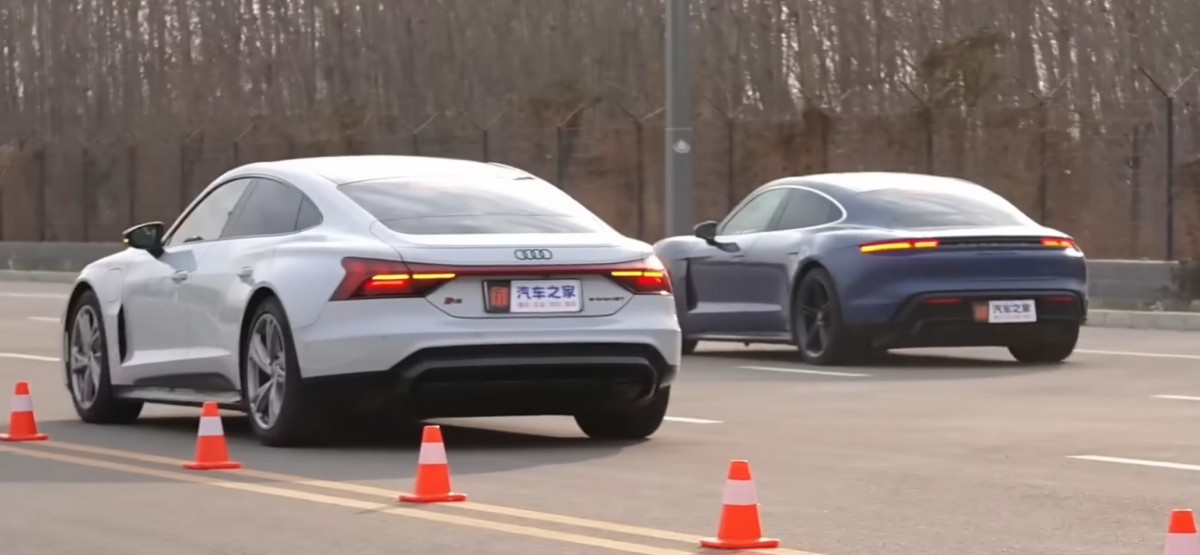
The Zeekr 007 finished third, just behind the Model S Plaid, with the Lotus Eletre R+ following closely. Audi's RS e-tron GT was one of only two cars to meet its advertised acceleration time despite the cold weather, surpassing the Porsche Taycan Turbo and creating a four-tenth gap over the Tesla Model 3 Performance, which promised similar performance.
The Nio ET7 also met its stated 0-62 mph time, placing eighth ahead of the ArcFox Alpha S. On the road, its one-tenth second claimed advantage over the XPeng P7 widened to six-tenths of a second.
0-62 mph Acceleration Test Results (seconds)
| Zeekr 001 FR | 2.63 |
| Tesla Model S Plaid | 3.01 |
| Zeekr 007 | 3.22 |
| Lotus Eletre R+ | 3.30 |
| Audi RS e-tron GT | 3.31 |
| Porsche Taycan Turbo | 3.56 |
| Tesla Model 3 Performance | 3.70 |
| Nio ET7 | 3.81 |
| ArcFox Alpha S | 3.91 |
| XPeng P7 | 4.43 |
During braking tests, the Zeekr 001 FR stood out by significantly outperforming all competitors, stopping 2.5 meters shorter than the second-placed Audi RS e-tron GT—an exceptional margin that highlights its impressive sports car-like braking capabilities.
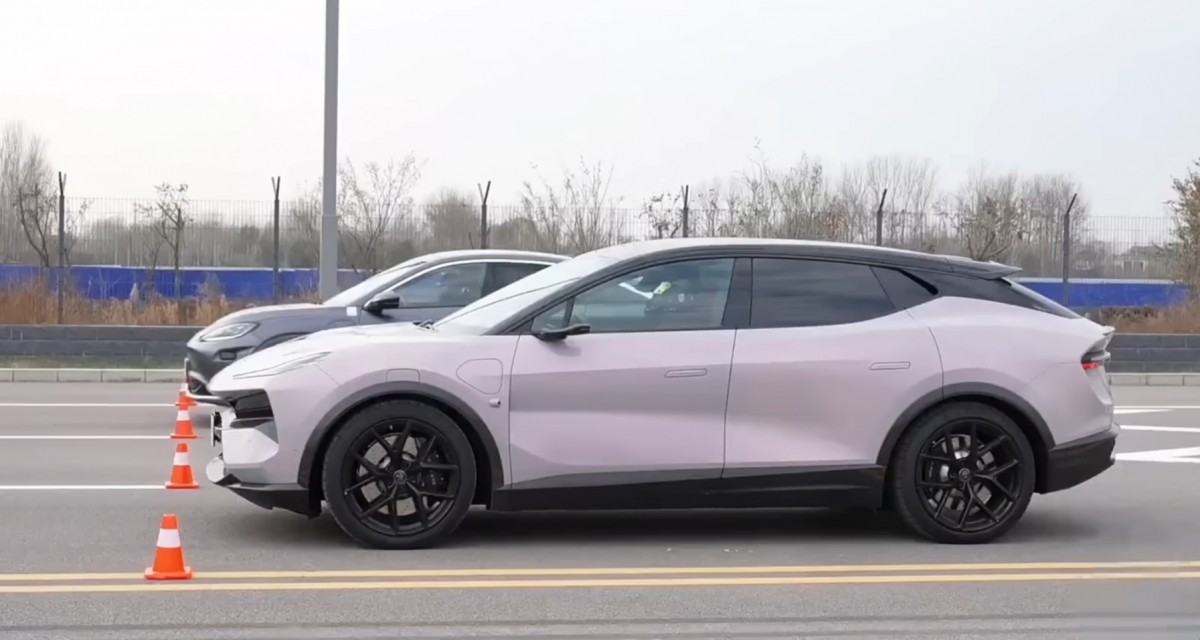
The XPeng P7, Lotus Eletre R+, and Zeekr 007 closely trailed the Audi RS e-tron GT, forming a group of vehicles with competent braking performance. While these distances are respectable, especially given the vehicles' weight and cold conditions, they do not meet track performance standards.
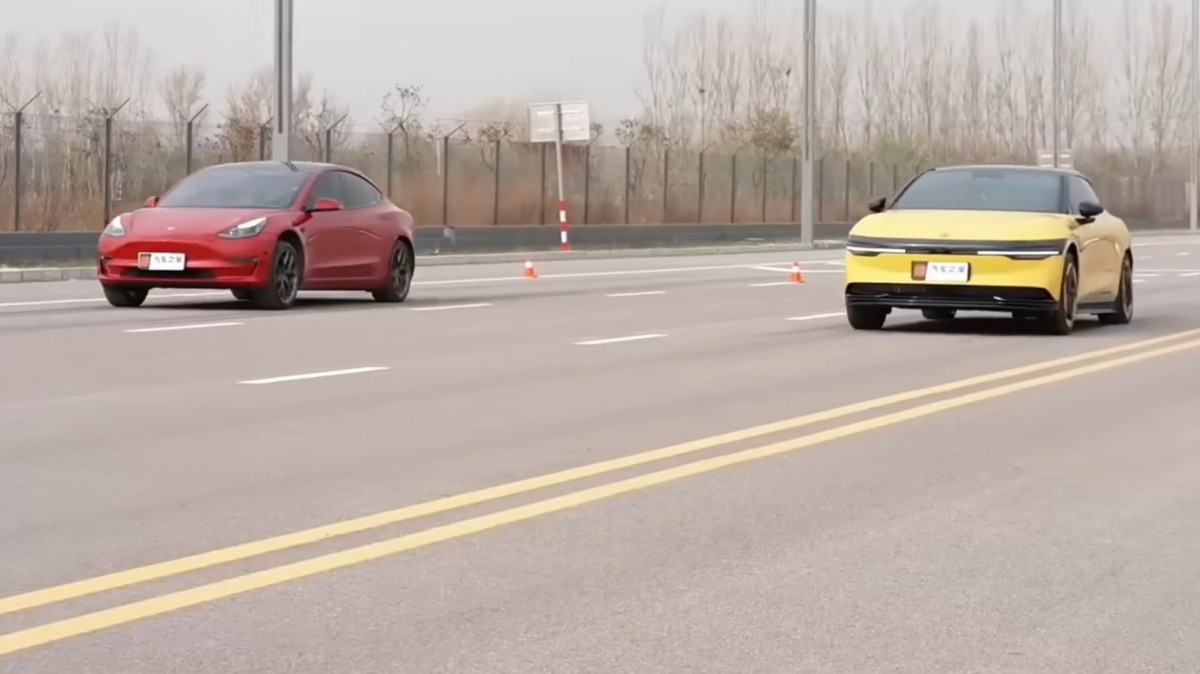
Tesla Model 3 Performance, Porsche Taycan Turbo, and ArcFox Alpha S recorded braking distances over 39 meters, which is underwhelming considering their claimed performance capabilities.
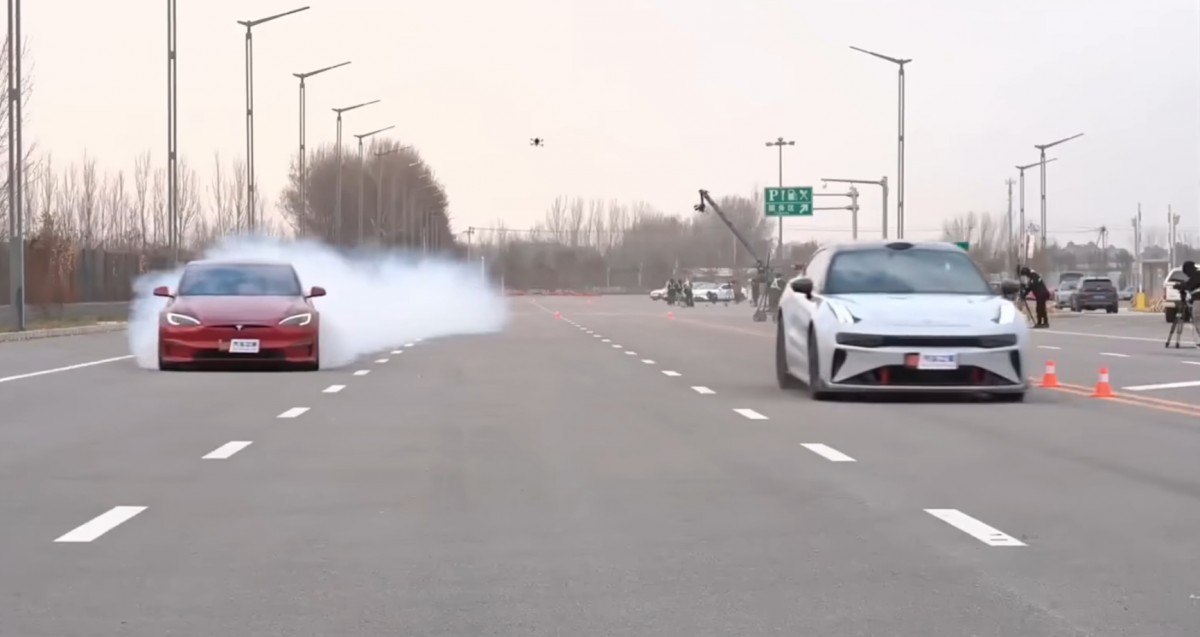
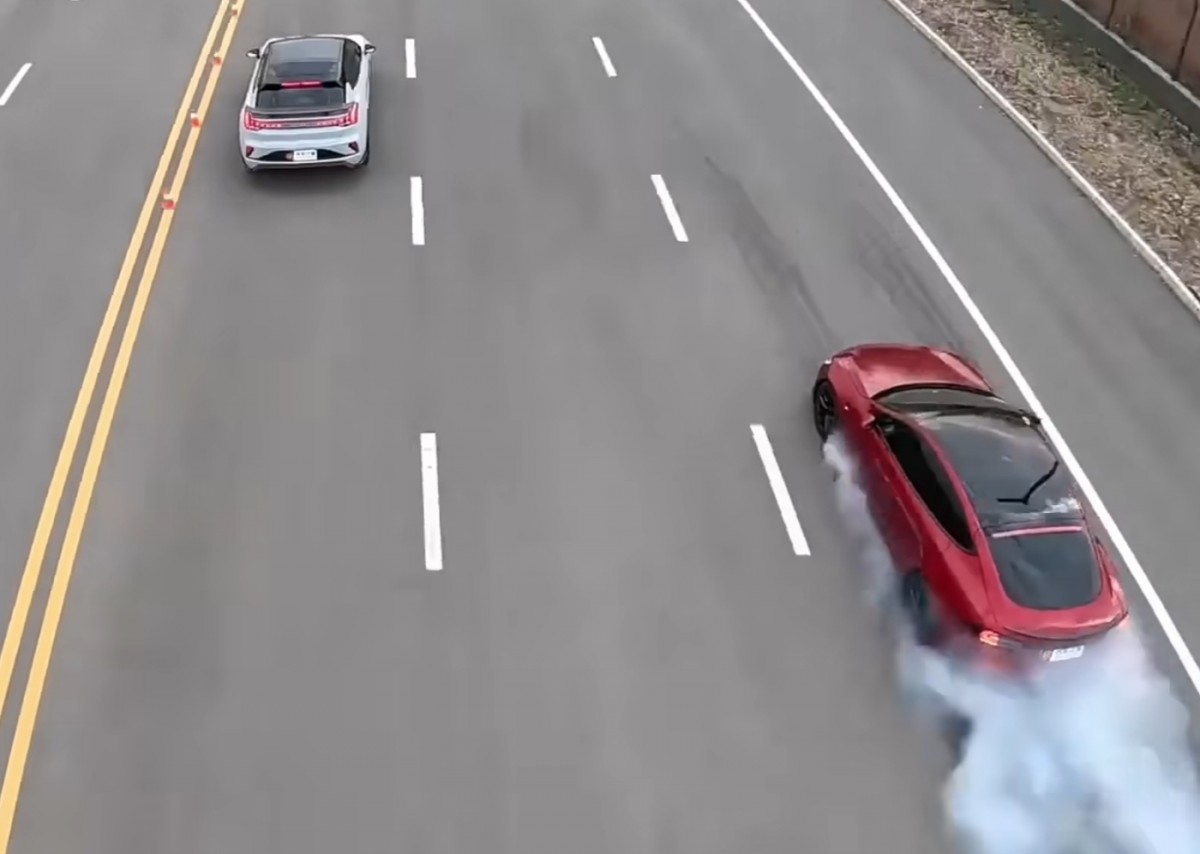
The Tesla Model S Plaid experienced a brake system malfunction during testing. Equipped with the Track Package featuring ceramic brakes, the car locked all four brakes unexpectedly, forcing the driver off course. Fortunately, there was no accident, but the tires sustained significant damage.
62 mph to 0 Braking Test Results (meters)
| Zeekr 001 FR | 33.73 |
| Audi RS e-tron GT | 36.21 |
| XPeng P7 | 36.33 |
| Lotus Eletre R+ | 36.39 |
| Zeekr 007 | 36.85 |
| Nio ET7 | 37.90 |
| Tesla Model 3 Performance | 39.18 |
| Porsche Taycan Turbo | 39.67 |
| ArcFox Alpha S | 39.67 |
| Tesla Model S Plaid | Failure |
Source: Chinese testing team report