Leading automakers are focusing on an all-electric future, and Mercedes-Benz is no exception. Despite recent reports of a temporary slowdown in EV sales, the German luxury carmaker has secured a substantial seven-year battery supply deal with South Korea's LG Energy Solution (LGES), reaffirming its strong commitment to electric vehicles.
Valued at $1.4 billion, the new contract guarantees high-voltage battery supply from March 2028 through June 2035, supporting Mercedes-Benz’s electric vehicles in both Europe and North America. This significant agreement outweighs any short-term concerns about battery oversupply or fluctuating demand.
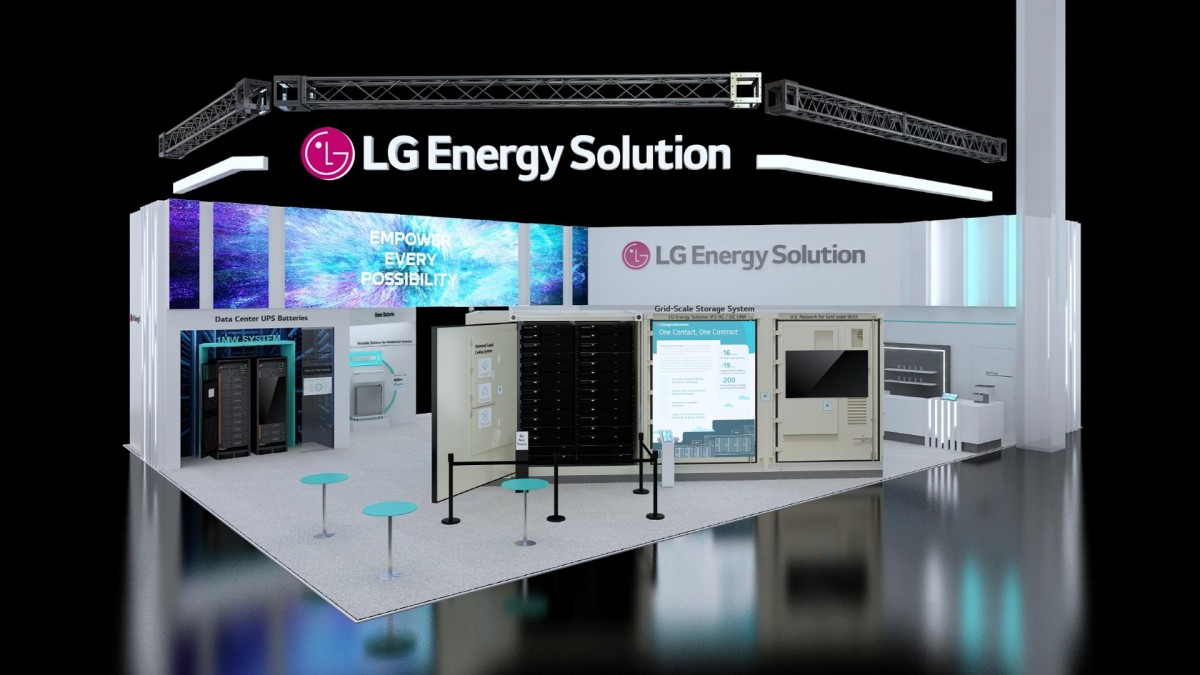
This is the second major battery deal between Mercedes-Benz and LG Energy Solution this year. In September, LGES committed to supplying 32 GWh of batteries to Mercedes-Benz by 2035, along with an additional 75 GWh to an affiliate company by 2037. These large-scale orders highlight the growing demand for EV battery capacity.
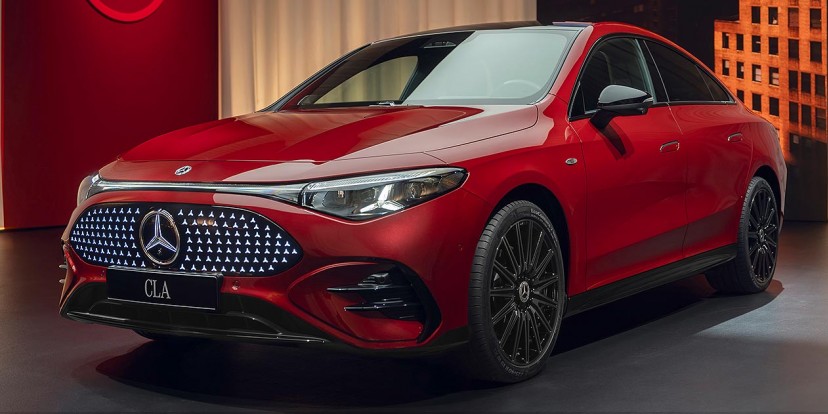
Mercedes-Benz’s aggressive battery procurement aligns with its ambitious product strategy. Shifting away from the “jellybean-shaped” designs of models like the EQS and EQE—which received mixed reviews—the company plans its largest-ever product launch program, introducing 15 new or refreshed electric models within the next two years.
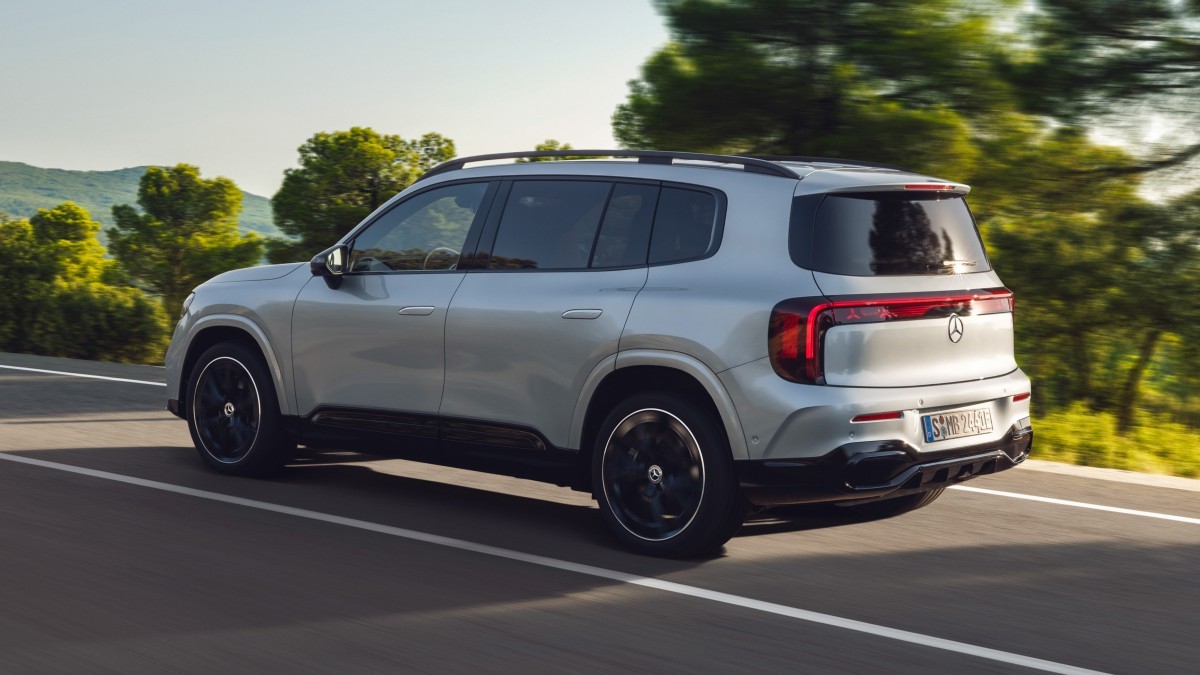
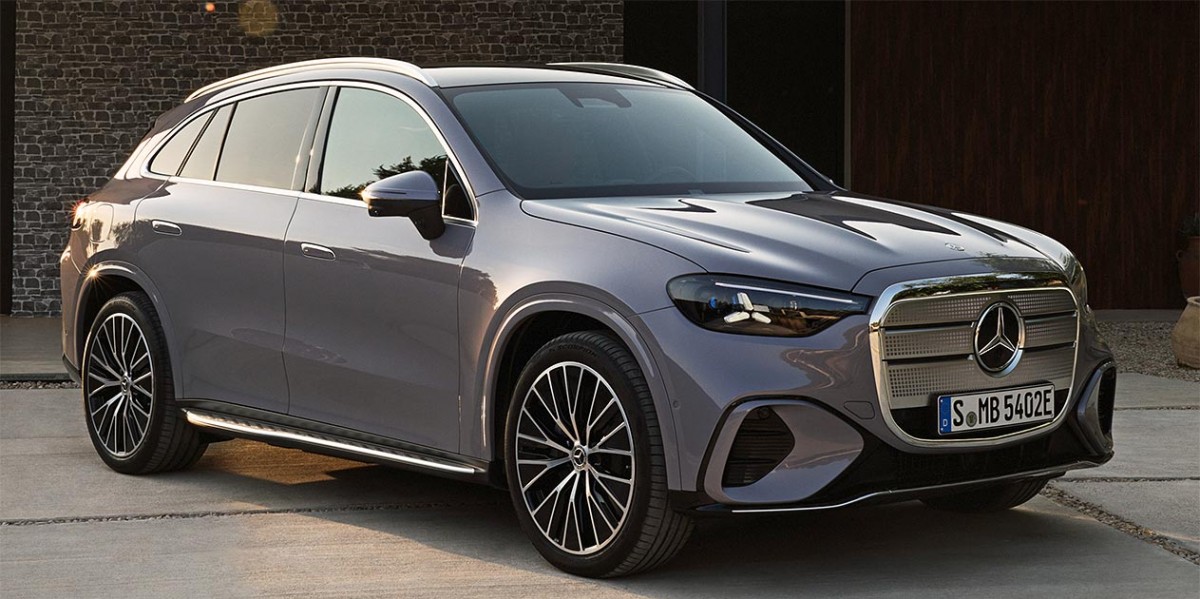
These upcoming vehicles will be based on entirely new, dedicated EV platforms. For instance, the sleek new Mercedes-Benz sedan leverages the advanced 800V Mercedes Modular Architecture (MMA), enabling faster charging times. Additionally, the new GLC with EQ Technology SUV, built on the 800V MB.EA platform, is already available for order, offering enhanced performance and efficiency.
While LG Energy Solution is solidifying its role as a key battery supplier for Mercedes-Benz, it is also expanding its electric vehicle partnerships globally. The company recently signed a $4.3 billion agreement with Tesla for lithium-iron phosphate batteries used in energy storage systems.
LGES is also developing high-power lithium manganese-rich (LMR) batteries for General Motors, destined for GM’s full-size electric trucks and SUVs starting in 2028.
These multi-billion-dollar contracts—from $1.4 billion with Mercedes-Benz to $4.3 billion with Tesla—signal a strong, enduring commitment across the automotive industry to an electric future. Short-term market fluctuations are secondary to the long-term shift toward EV dominance, as vehicle manufacturers and battery suppliers expand capacity to meet growing demand.