Wisconsin Proposes Controversial VPN Ban to Protect Minors Online
Wisconsin lawmakers have introduced a bill that could make the state the first in the U.S. to restrict the use of virtual private networks (VPNs). The legislation, aimed at protecting children from harmful online content, has sparked significant debate across privacy advocates, internet users, and policymakers.
Targeting VPNs to Shield Children From Harmful Content
The bill, identified as A.B. 105 / S.B. 130, focuses on enforcing age verification systems on websites displaying sexual or otherwise sensitive content. Under this proposed law, websites would be required to block users accessing their content via VPNs unless they can verify their age. The rationale is to prevent minors from circumventing age restrictions by masking their real locations and identities.
Moreover, the bill broadens the definition of “harmful content” to potentially include depictions and discussions of human anatomy, sexuality, and reproduction. This expansion raises concerns about the scope of content that might be restricted.

Surfshark VPN: Exclusive 88% Off 24-Month Subscription
Surfhark VPN is currently offering a 24-month subscription at €2.29/mo, totaling €61.83 with 3 extra months free. Note: This offer may not be available in all regions.
Impact and Possible Consequences
If passed, many websites might block all VPN users from Wisconsin or completely restrict certain services within the state. Such outcomes could disrupt legitimate privacy-seeking internet users who rely on VPNs for security and anonymity.
Online privacy is vital, especially as websites collecting sensitive information like government IDs and biometrics can be vulnerable to hacks and data theft. The requirement for invasive age verification methods could unintentionally increase risks to user privacy and data security.
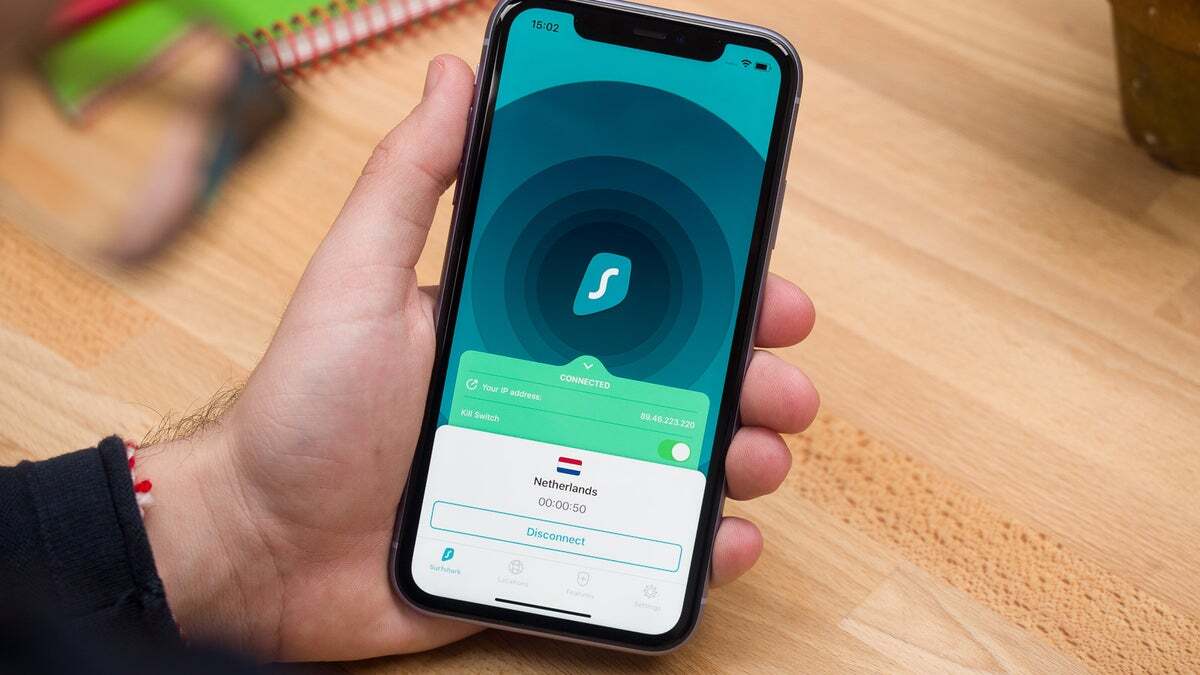
Image Credit - PhoneArena
How VPNs Work and the Debate Over This Legislation
VPNs allow users to mask their IP addresses and encrypt their internet traffic, protecting their privacy and bypassing geographic or network restrictions. With this bill, the state aims to limit such capabilities for accessing certain content.
However, critics argue that banning VPNs could undermine digital freedom and privacy rights rather than effectively protecting children. The debate continues on whether this approach is the right path.
Public Opinion on VPN Use
Results from 127 votes:
- Yes, always: 59.06%
- Sometimes: 33.07%
- No, never: 7.87%
Are There Better Solutions?
Privacy advocates and cybersecurity experts suggest that stricter regulation on VPN usage may not be the optimal method to protect minors online. Instead, they recommend enhancing parental controls, digital literacy, and content filtering technology that respects user privacy.
As the conversation unfolds, Wisconsin's proposed legislation could set a precedent for how the U.S. addresses online safety versus privacy rights.