As 2026 approaches, I’m making a bold move in my smartphone journey.
This year, I’m committing to moving away from the mainstream flagship models from Apple, Samsung, and Google. Aside from occasional review work, I won’t be choosing any upcoming devices from these major brands voluntarily.
Instead, my daily drivers will be flagship smartphones from Chinese manufacturers. Any tech enthusiast paying attention will recognize why: these phones often deliver cutting-edge technology and far better value than their Western counterparts.
Truth be told, I’ve already been shifting in this direction throughout 2025, so this change isn’t out of the blue.
Why Apple, Samsung, and Google No Longer Excite Me
From my perspective, the big three US market players continue to lean on minimal yearly updates just to keep their devices relevant. Using an iPhone, Galaxy, or Pixel almost always means accepting compromises.
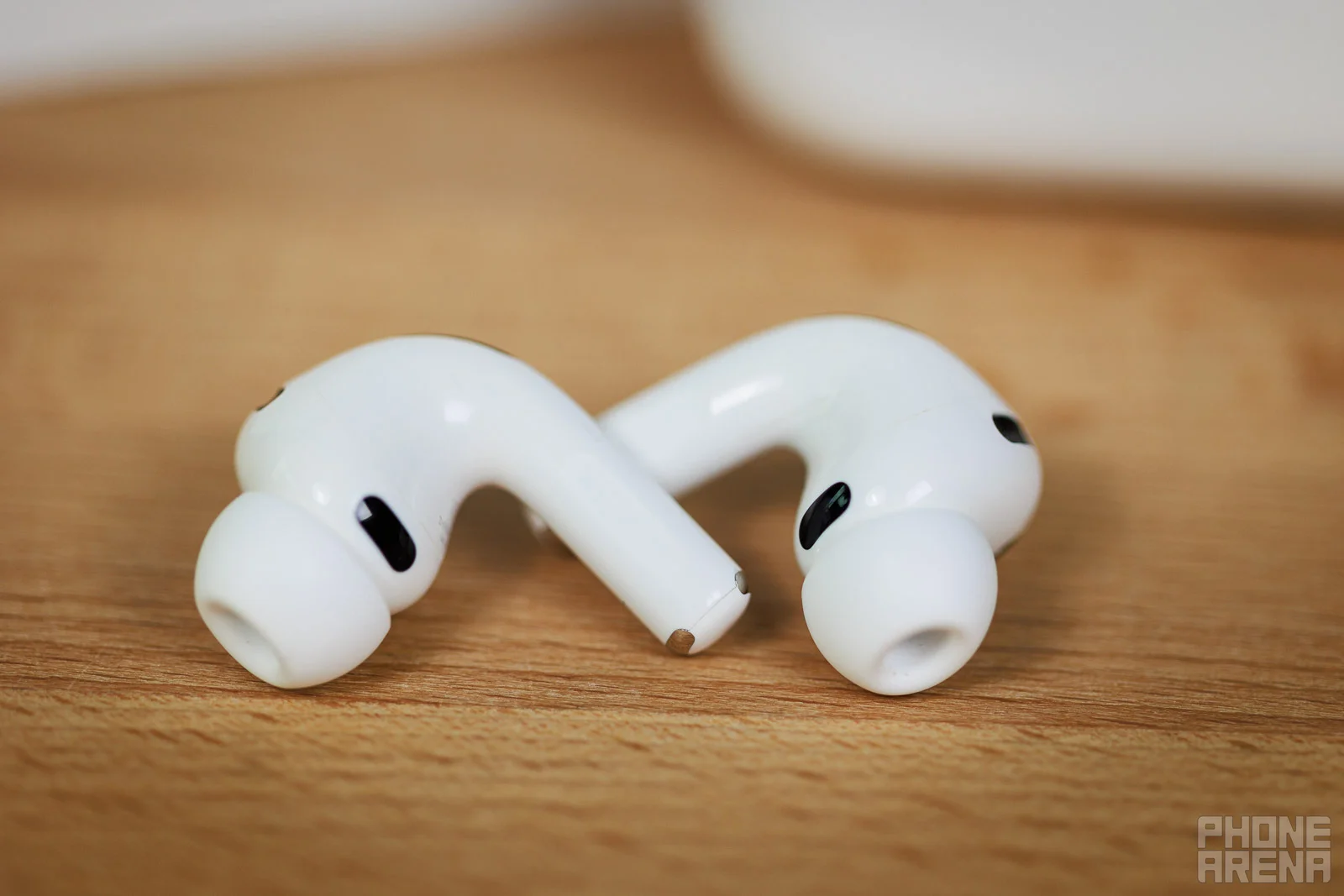
Take the iPhone: while it provides a solid overall experience, Apple’s "Liquid Glass" design put me off iOS, and I prefer Android’s flexibility. Apple's hardware is excellent but lags slightly behind in battery life, camera performance, and raw power compared to some competitors.
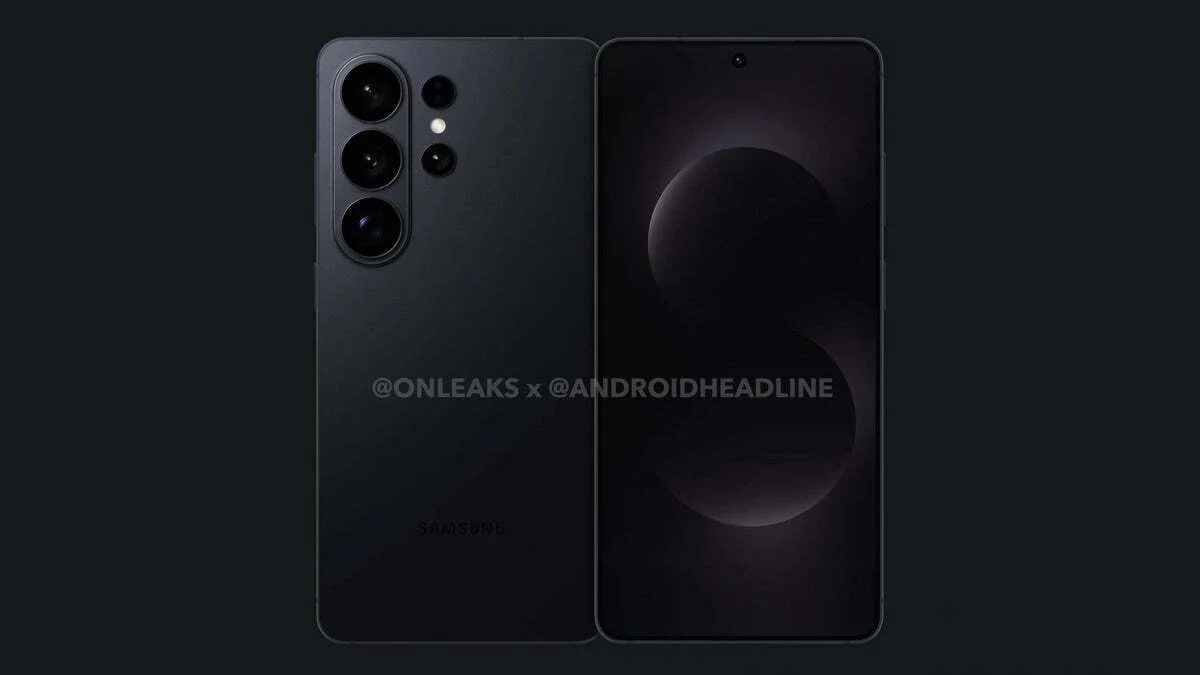
Samsung’s Galaxy lineup, arguably Apple’s fiercest rival here, feels increasingly stagnant. Years of recycled camera setups and battery tech have dulled their appeal. Although I appreciate how customizable One UI 8 is, the underwhelming hardware advances leave me unimpressed.
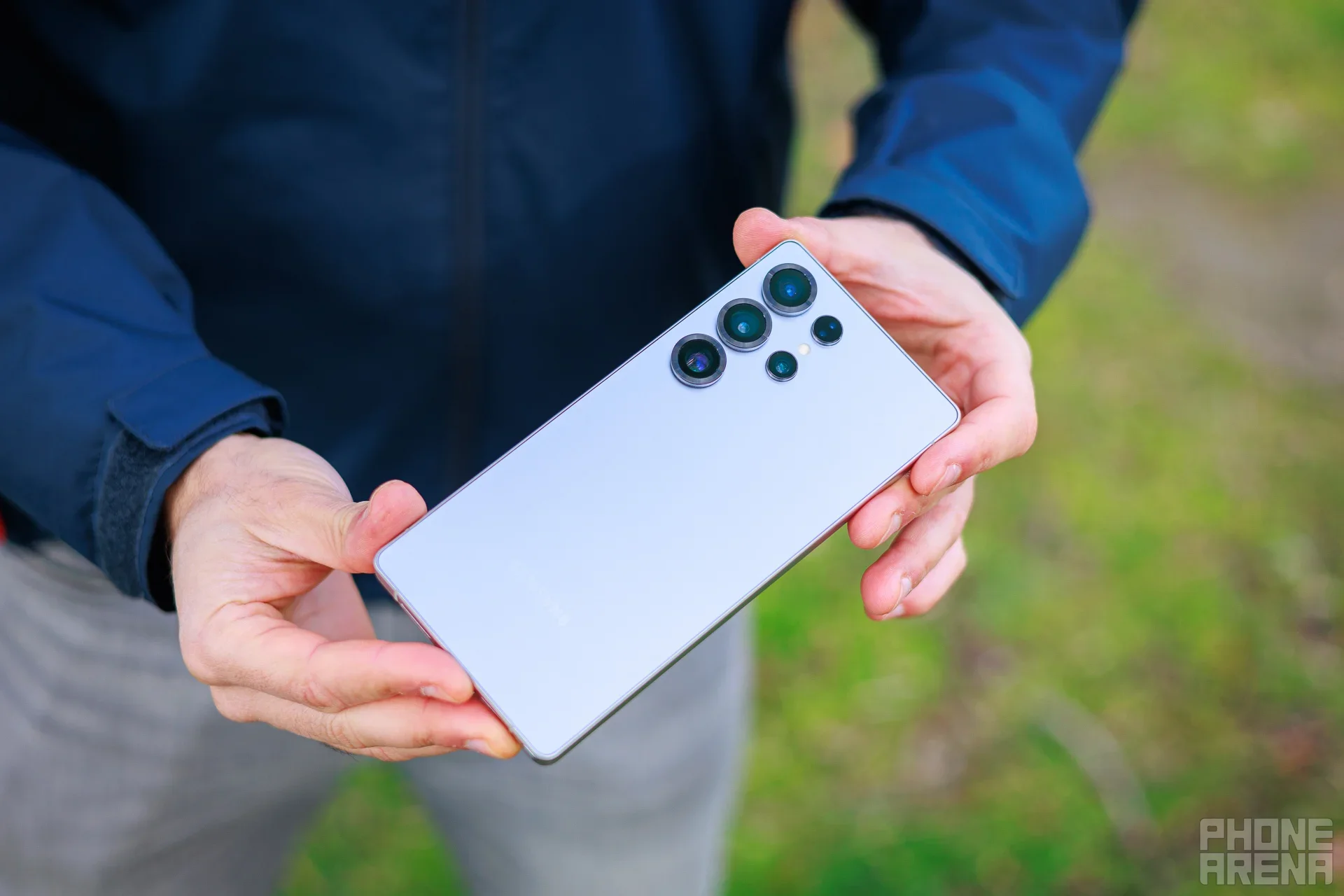
Google’s Pixel series feels overpriced to me now, especially in late 2025. The experimental Tensor chip doesn’t inspire confidence performance-wise, and some AI features, like Magic Cue, border on intrusive. Also, as I try to reduce dependency on Google services in favor of open-source alternatives, Pixels aren’t an option anymore.
Looking ahead to 2026, all rumors point to more of the same: similar designs, incremental spec bumps, and predictable camera and battery improvements. I’m ready to pass on that.
Chinese Flagships: Innovators Playing a Whole Different Game
Over the past few months, I’ve relied exclusively on Chinese Android flagships as my main phones.
I’ve tested devices like the Oppo Find X9 Pro, Vivo X200 Pro, Vivo X Fold 3 Pro, and Xiaomi 15 Ultra. Even though the Oppo started as a review assignment, I couldn’t bring myself to switch away from it afterward.
The Vivo X200 Pro, in particular, has become my favorite daily driver. It excels on all fronts I care about: battery life, camera quality, charging speed, performance, and a rich, customizable UI. Plus, many other Chinese flagships tick these same boxes.
Sure, some might point out that the software skin on these phones is not groundbreaking and borrows heavily from familiar designs — I agree. But their overall package delivers so well that it’s easy to overlook that detail.
Batteries on these phones are impressively large—recent models boast capacity upward of 7,000 mAh, continuously pushing the limits. In contrast, Samsung’s Galaxy Ultra has stuck with a 5,000 mAh battery since 2020.
Charging is another strong suit, with 100W+ wired speeds commonly included, along with chargers in the box, which is refreshing.
Camera technology is pushing boundaries, too. Phones with dual 200MP rear cameras and huge 1-inch sensors are on the horizon.
Overall, the Chinese market embraces rapid, bold cycles of innovation. Unique features and massive hardware upgrades appear here first long before they hit iPhone, Pixel, or Galaxy devices.
In summary, I’m stepping away from the familiar mainstream path and heading toward the vibrant and innovative landscape where Chinese brands lead. It’s been an exciting journey so far, and I can’t wait to see what 2026 brings.