Verizon recently made headlines with the layoff of 13,000 employees — a process reportedly accompanied by an unsettling requirement: employees were asked to train AI systems set to replace them before their departure. Under new CEO Dan Schulman’s leadership, Verizon is moving aggressively toward automating customer service, signaling a shift that could soon ripple across the telecommunications industry.
The Decline of Human Interaction

Verizon’s plans to expand AI-powered customer support systems have led to significant job cuts, leaving many customers to interact solely with digital agents. While this may create operational efficiencies, the absence of a human touch risks negatively impacting customer experience and could have broader implications on the job market.
T-Mobile’s Digital Shift
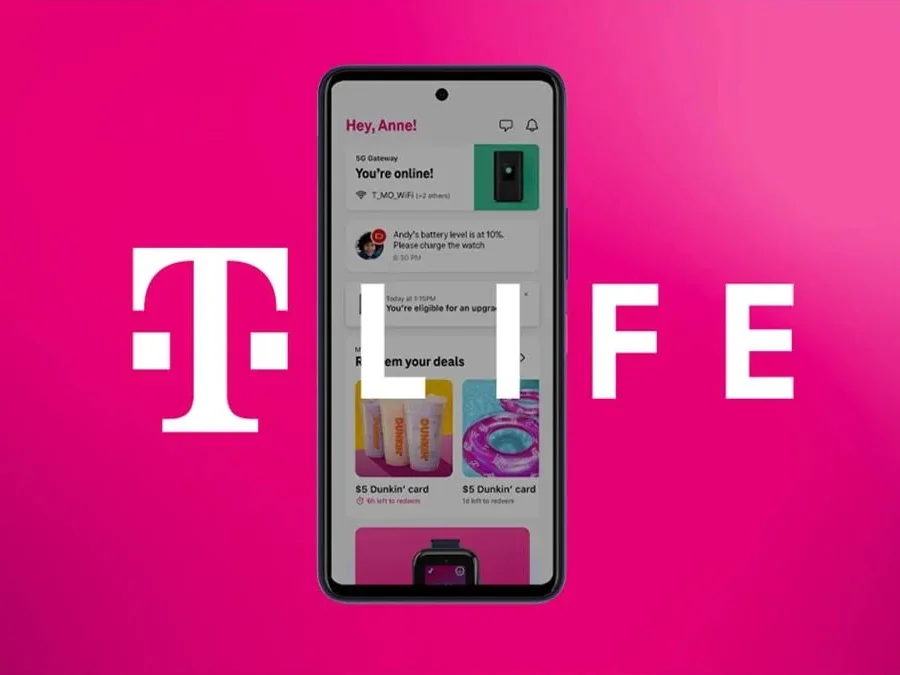
Similar digital transformations are underway at T-Mobile. Employees have reported that the T-Life app is being positioned to replace many human roles, with plans for full adoption across all operations by 2027. This approach aims to reduce costs but risks alienating employees and customers alike.
Limited Choices for Consumers
As Verizon and T-Mobile push forward with automation, consumers and employees find themselves with fewer choices. Verizon’s actions could enable other major carriers like AT&T to follow suit, reducing the availability of human support and potentially lowering overall service quality.
Is Automation the Right Path?
Despite the promise of efficiency, public opinion strongly favors human customer service agents. A recent survey revealed that nearly 86% of respondents prefer speaking with human representatives over AI-driven solutions.
Customer Support Preference Poll
- Human representatives, please! — 85.99%
- AI, it’s quick and efficient — 2.33%
- I'm okay with both — 11.67%
Based on 257 votes.
Verizon’s AI-first strategy sends a clear message: customer and employee preferences may be secondary to cost-cutting and digital transformation goals. While the telecom giant faces business challenges, this route raises important questions about balancing innovation with customer satisfaction and workforce wellbeing.
The industry stands at a crossroads. With Verizon setting a precedent, it’s likely T-Mobile and AT&T will soon introduce similar initiatives — leaving both customers and employees bracing for a significant change in how they experience wireless services.