Meta’s highly anticipated mixed reality glasses, codenamed "Project Phoenix," have faced a significant setback. Originally scheduled for release in late 2026, the launch has now been postponed to sometime in 2027. This delay is intended to provide the development team with additional time to refine key features and ensure a polished user experience.
Revisiting Project Phoenix
According to recent reports, Meta is pushing back its timeline for these next-generation mixed reality glasses. The device is designed to revolutionize wearable technology by combining advanced visual immersion with a lightweight, eyewear-style form factor.
Key Features of Project Phoenix
- External Compute Module: Unlike fully standalone headsets, Phoenix will rely on a small, puck-like external device that supplies power and computing capabilities, connected to the glasses via a wire to reduce on-face weight.
- Visual Immersion: The glasses aim to deliver mixed reality experiences comparable to current headsets but within a frame that looks and feels like traditional spectacles.
- Pass-through Sensors: Equipped with advanced sensors, the system will overlay digital content seamlessly onto the real world, shrinking down the technology found in today’s high-end headsets.
The delay reportedly allows the development teams to "breathe" and perfect the intricacies of the product before launch.
Why the Delay Is Crucial
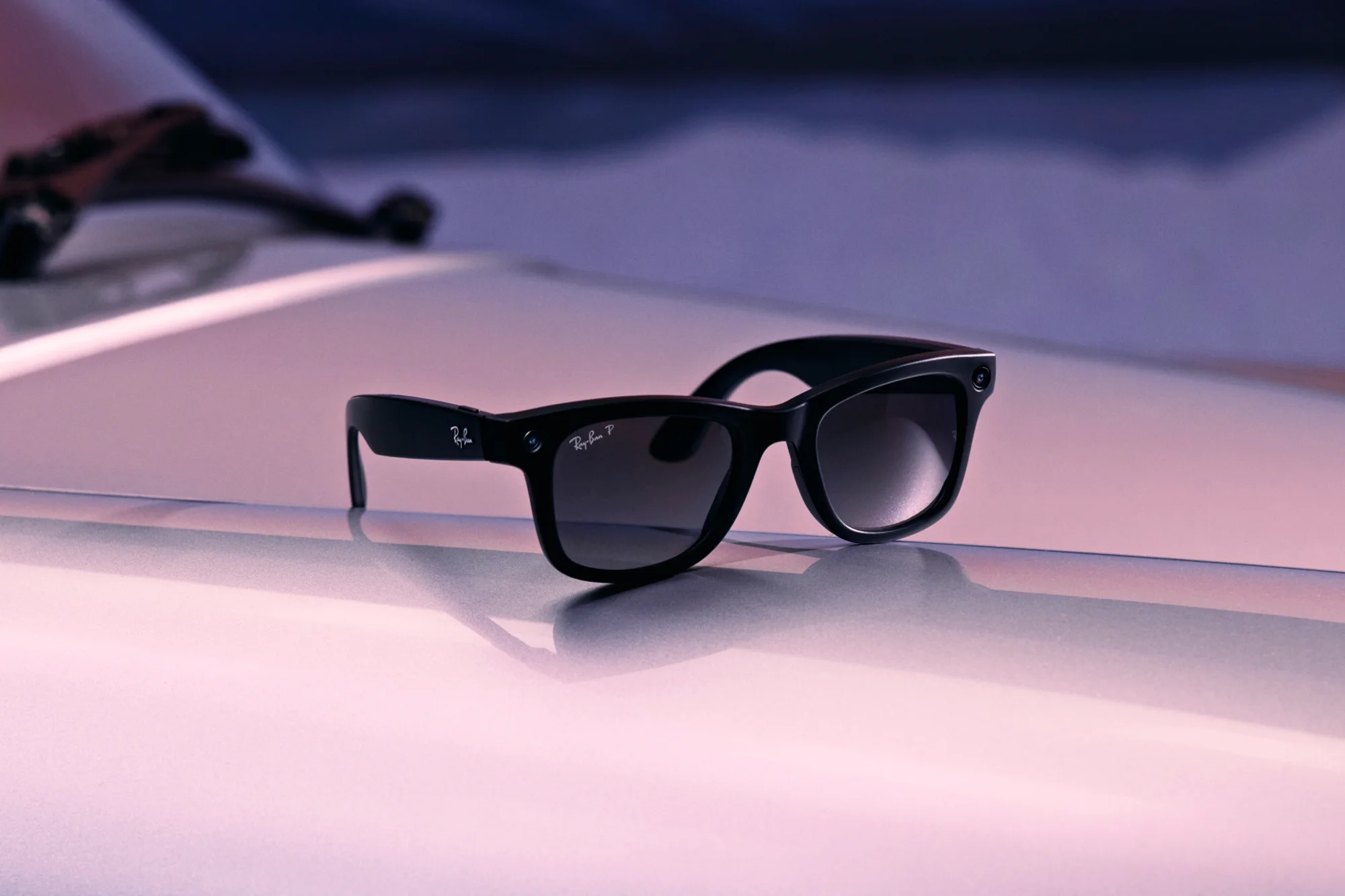
While Apple’s Vision Pro headset boasts cutting-edge technology, its hefty price, weight, and isolating design limit everyday use. Meta’s existing Ray-Ban Meta smart glasses provide discrete AI features and quick interactions but do not deliver full mixed reality experiences.
Project Phoenix strives to fill this gap by marrying the immersive capabilities of Vision Pro with the form factor and wearability similar to Ray-Bans. With Meta recently cutting its metaverse budget by nearly 30%, the company is keen to avoid a premature or flawed product launch that could damage its reputation.
Public Opinion on the Delay
Meta invited users to share their opinions on whether the delay is beneficial.
Current results from 4 votes:
- Yes, give them time: 75%
- No, too long: 25%
Is the Wait Worthwhile?
In a market moving rapidly toward fully wireless and standalone devices, a mixed reality headset tethered by a wire could feel outdated by the time of release. However, Meta’s approach aims to balance performance and comfort – if successfully executed, Project Phoenix could set a new standard for wearable MR technology.