Recent discussions in India have intensified following the central government's directive to pre-install its cybersecurity app, Sanchar Saathi, on all new smartphones. Although the government later withdrew this mandate, a new report suggests another potential policy that could reignite privacy and security debates.
According to Reuters, the Indian government is reviewing a proposal from the telecom industry to require smartphone manufacturers to keep satellite-based location tracking enabled at all times for improved accuracy.
The government has long expressed concerns that its agencies receive imprecise location data during investigations because telecom operators currently rely on cellular tower information, which only provides approximate location details and can be off by several meters.
In response, the Cellular Operators Association of India (COAI), representing Reliance Jio and Bharti Airtel, has proposed mandating smartphone makers to activate Assisted GPS (A-GPS), which combines satellite signals and cellular data, ensuring continuous and precise location tracking without any option for users to disable it.
However, major smartphone manufacturers, including Apple, Samsung, and Google, have opposed this proposal. The India Cellular & Electronics Association (ICEA), representing Apple and Google, stated in a confidential letter to the government in July that "a measure to track device-level location has no precedent anywhere else in the world."
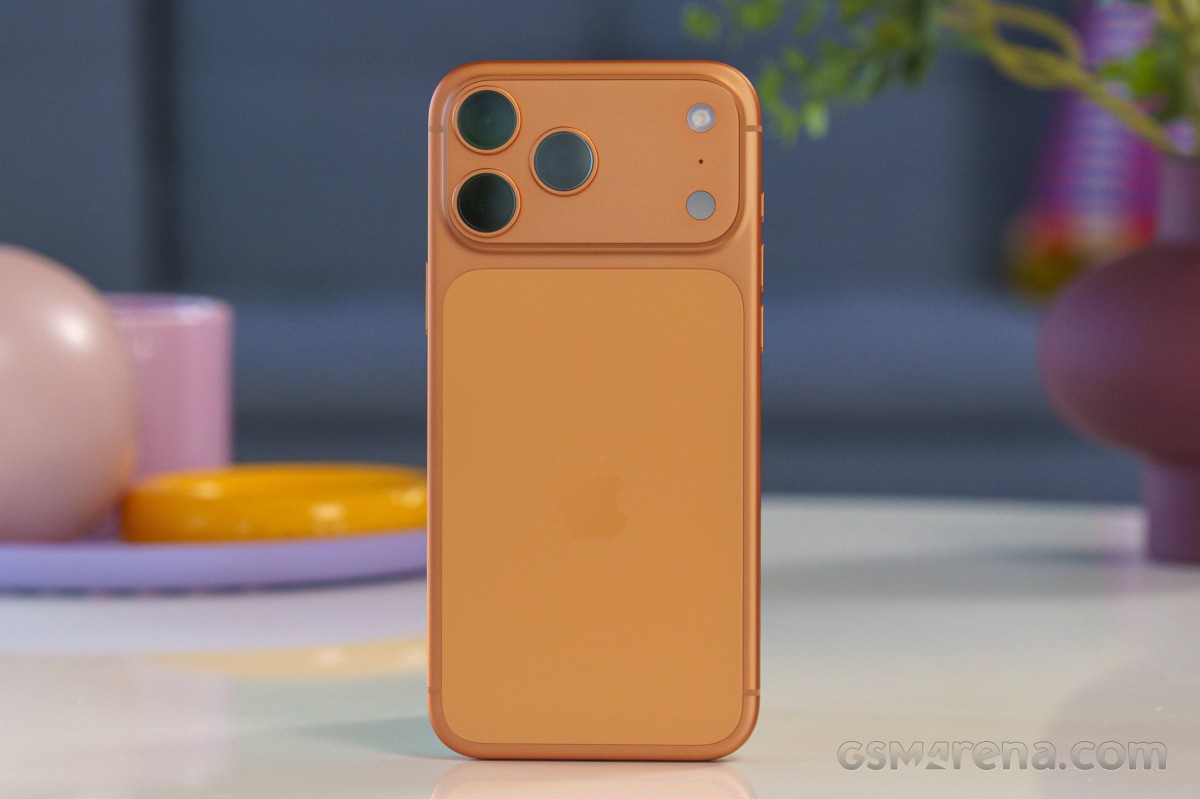 Apple iPhone 17 Pro Max
ICEA further highlighted the significant legal, privacy, and national security concerns associated with the proposal, warning that an always-on A-GPS mandate would constitute regulatory overreach.
Besides insisting on A-GPS activation, the telecom industry also criticized current location-tracking methods, noting that smartphone manufacturers display pop-up alerts whenever a network carrier accesses a user's location.
The telecom group argued that such notifications enable targets to detect if security agencies are tracking them, urging the government to direct smartphone makers to disable these pop-ups.
Responding to this, ICEA emphasized that privacy concerns should take precedence and urged the government not to consider removing these essential alerts.
Reuters also reported that India's home ministry had planned a meeting with leading smartphone industry executives to discuss this issue, but the meeting was postponed.