In recent years, the smartphone landscape has largely converged into a sea of indistinguishable designs and features. Once a niche filled with daring innovations and bold designs, the gaming phone segment – epitomized by brands like the ASUS ROG Phone – is now facing an identity crisis. As major manufacturers like Apple, Samsung, and Google stick to safer, more mainstream aesthetics and incremental upgrades, devices that once boldly catered to enthusiasts and gamers are quietly fading away or mutating into more conventional “daily drivers.” What caused this shift, and why does it matter?
The Rise and Fall of the Gaming Phone
The concept of a “gaming phone” brought with it a fresh wave of excitement for mobile enthusiasts. Devices like the ASUS ROG Phone were unapologetically maximalist, packing in advanced cooling systems, secondary screens, customizable RGB lighting, and physical gaming triggers. They weren’t meant to sell in the tens of millions, but rather to captivate niche audiences who demanded cutting-edge performance and unique experiences.
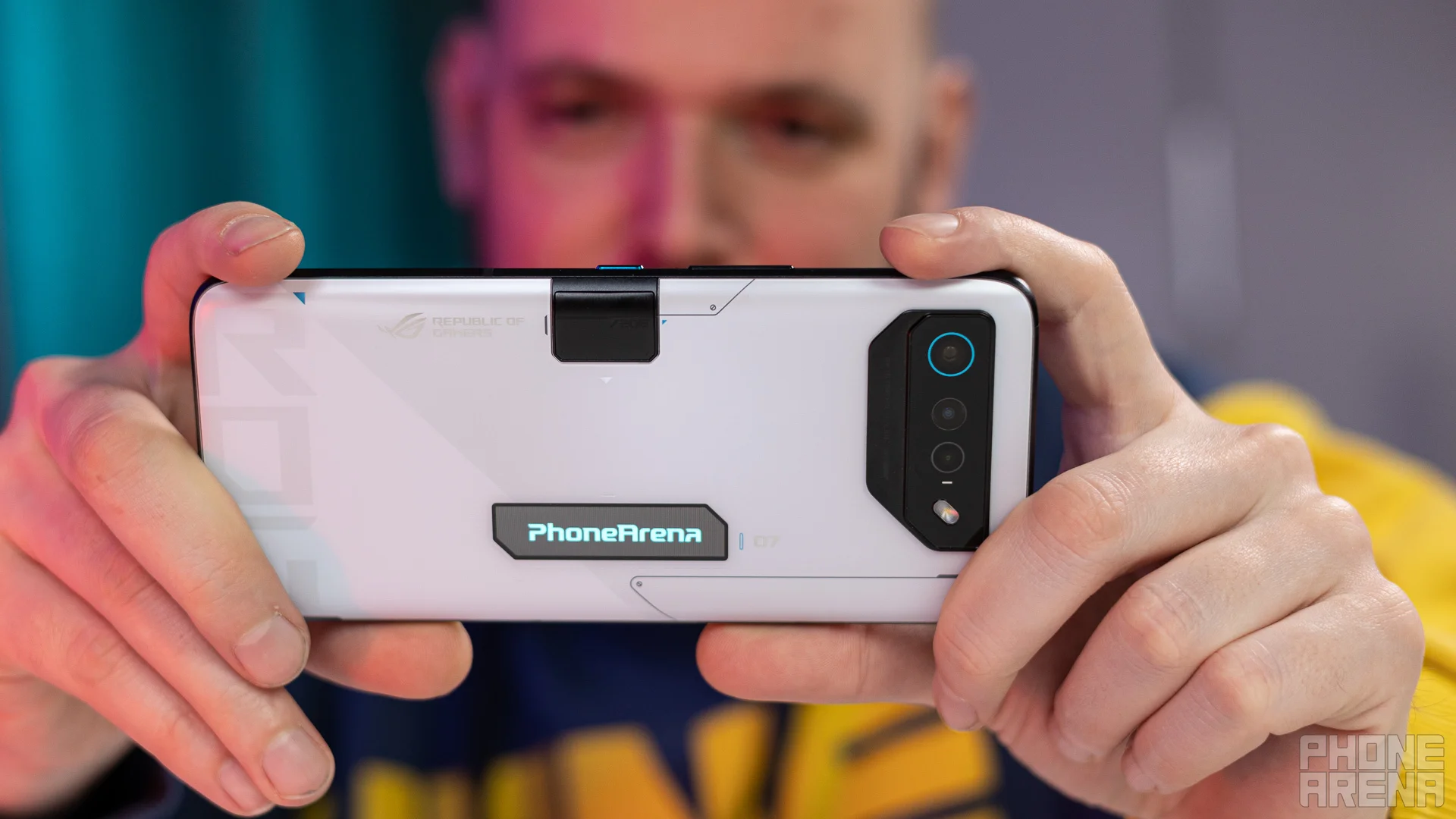
Other brands tried to capitalize on this trend as well — the Razer Phone, Xiaomi Black Shark, and Lenovo Legion Y70 all appeared briefly before fading from the spotlight. The challenge was clear: gaming phones commanded a premium price, appealed to a smaller subset of users, and often struggled to balance niche features with everyday usability.
When the ROG Phone Started to Tone Down
Starting with the ROG Phone 8, the device began to shift away from its overtly aggressive styling towards a more subdued “daily phone” look. RGB lighting was replaced by an LED matrix that could be hidden, and the bold gaming triggers became less prominent or a bit awkward to use. While the phone retained its powerful underpinnings, the personality that once defined the series was becoming muted.
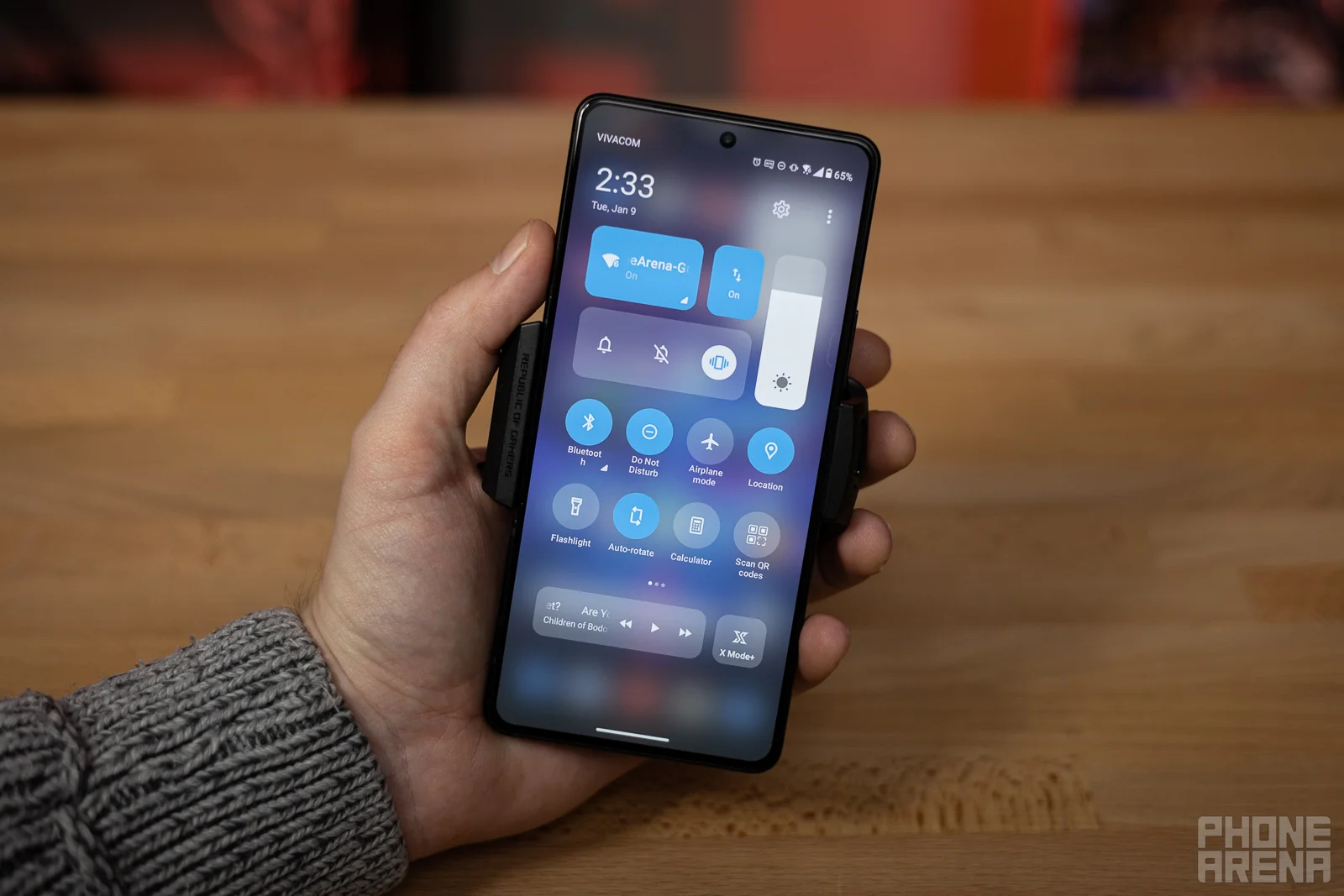
This change reflected a broader trend in the smartphone world: consumers and manufacturers favoring subtlety and versatility over the flamboyance and specialization gaming phones once embraced. While these devices remain gaming-capable, they no longer stand out as symbols of “gamer identity” or radical innovation in mobile design.
Why It Would Be a Loss to See the ROG Phone Disappear
The ROG Phone’s experimental nature has continuously pushed the envelope in areas like cooling, sustained performance, and gamer-friendly accessories that mainstream phones often overlook. These innovations put competitive pressure on the industry as a whole and inspire improvements in standard devices.
Apple, Samsung, and others may dominate with lifestyle branding and mature ecosystems, but they could learn a lot from the boldness of gaming phone makers. Apple’s recent push into AAA mobile gaming and Samsung’s past exclusives with titles like Fortnite show there is interest, but the heartbeat of true mobile performance innovation might be fading.
Looking Ahead: Is There Hope for Gaming Phones?
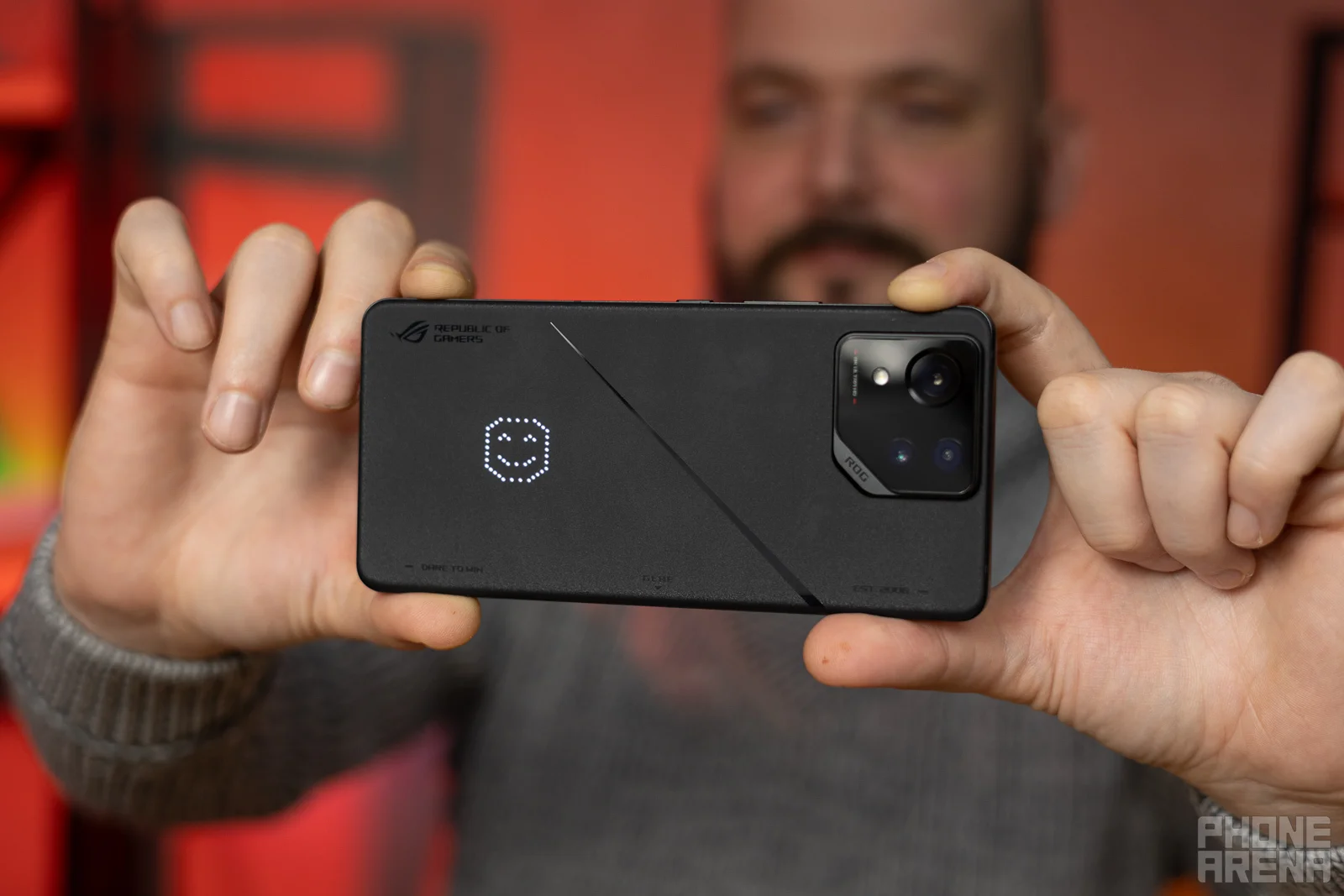
Thankfully, the ROG Phone 10 is not officially dead yet. There remains hope that manufacturers will continue to create devices that don’t just serve as tools, but also as playgrounds for innovation and creativity. The smartphone market needs those daring creations — those that refuse to conform to beige sameness — to keep pushing the boundaries and keep mobile tech exciting.
Fingers crossed for a future where smartphones can be as fun and distinctive as they once were.