Google has implemented what may be the most transformative change to Android's update cycle since the platform's inception. Moving away from the traditional once-a-year major update, the company is adopting a model of more frequent Android releases, starting with Android 16. This update strategy aims to reduce feature fragmentation and expedite delivering new functionalities to a wider array of devices, including those from third-party manufacturers.
What’s New with Android 16?
In line with a promise made last year, Google is pushing out more frequent Software Development Kit (SDK) updates. The latest iteration, Android 16 QPR2 (Quarterly Platform Release 2), is pioneering the use of minor SDK versioning, introducing new features and APIs outside the traditional annual release schedule.
What the New Release Schedule Means
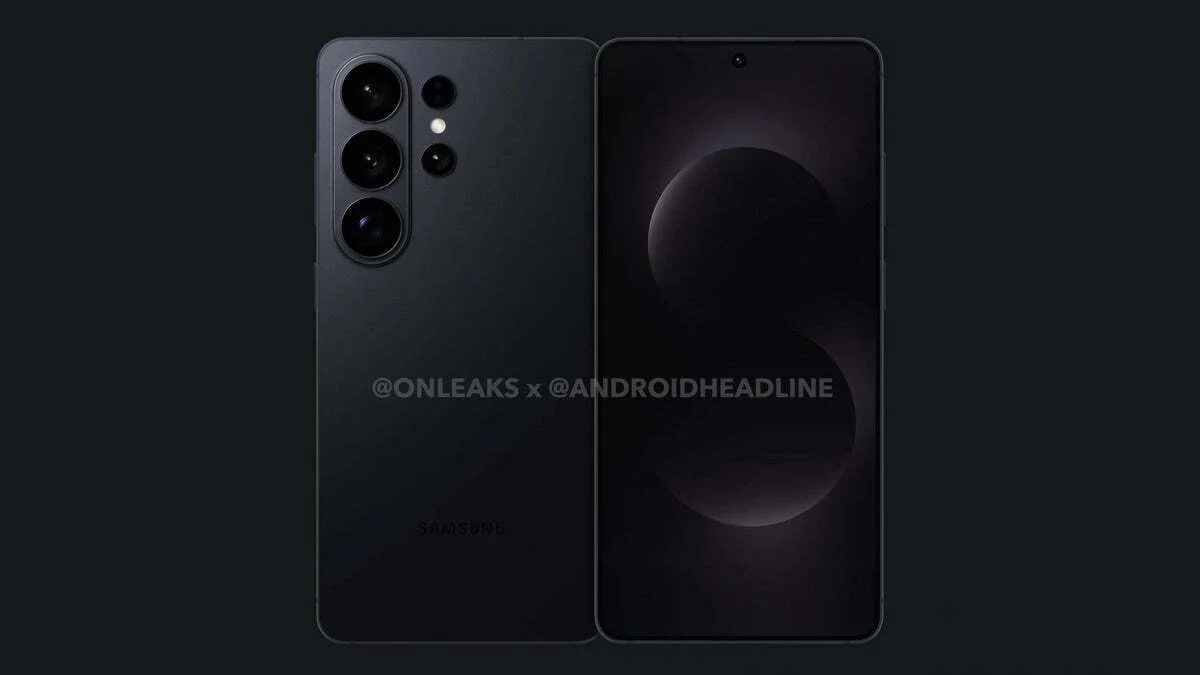
This revamped release cadence is designed to bring updates quickly to devices from manufacturers like OnePlus and Samsung, enabling models such as the OnePlus 15 and Galaxy S25 to receive Android 16 features well ahead of Android 17’s launch. Moreover, newly launched smartphones like the Galaxy S26 series will ship with the latest Android features right out of the box, closing the gap in experience between Pixel phones and other Android devices.
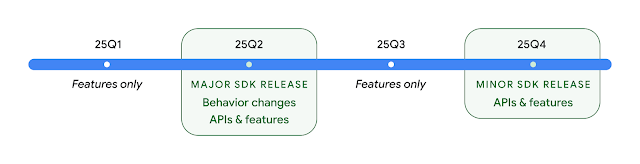
The 2025 Android release timeline. | Image credit – Google
The Persistent Challenge of OEM Adoption
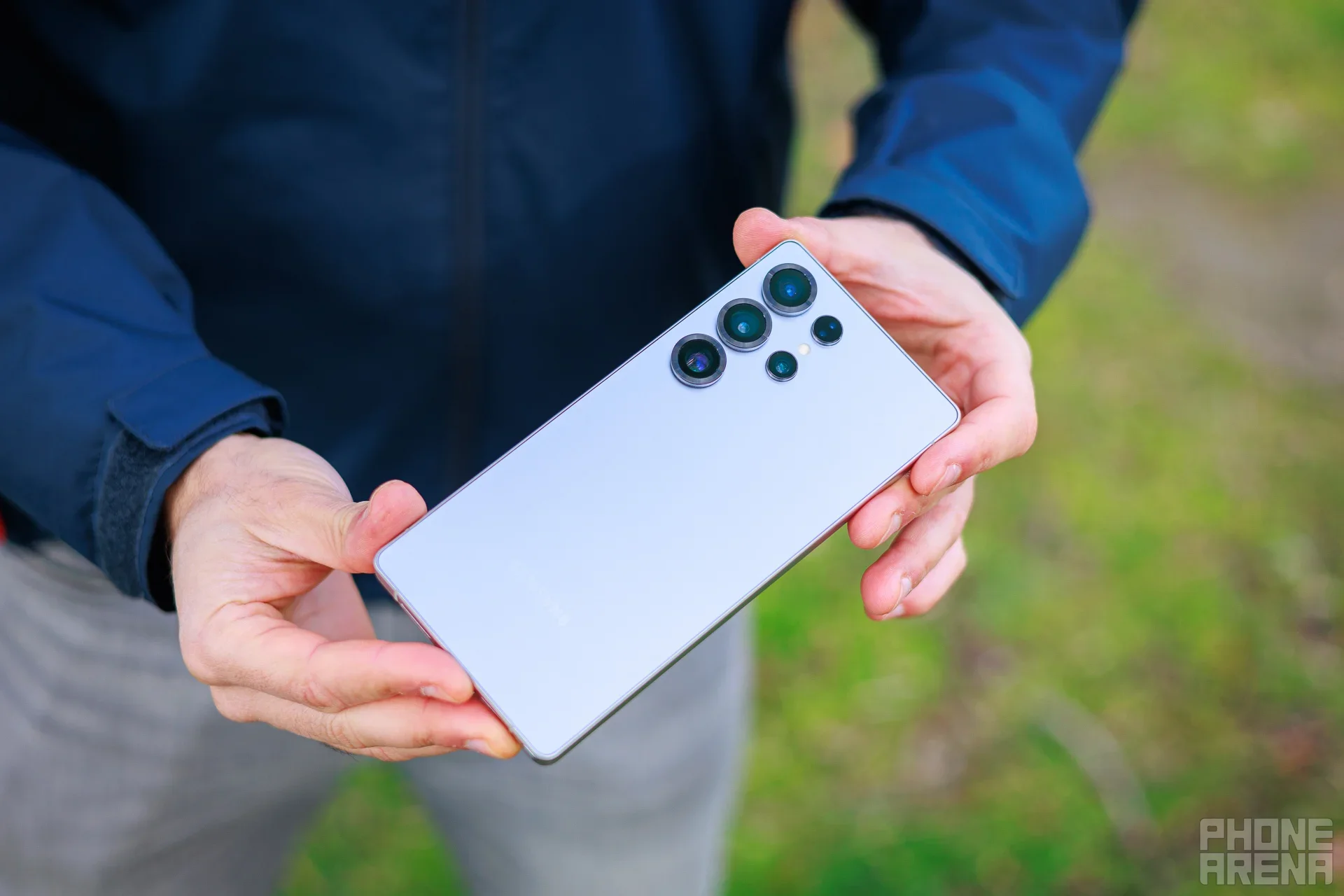
Despite Google's efforts, the success of this new approach ultimately depends on third-party manufacturers. Google cannot mandate update schedules for OEMs, many of whom have been hesitant to accelerate their update rollouts. Case in point: even flagship devices like the Galaxy S25 Ultra received Android 16 more than three months after its release.
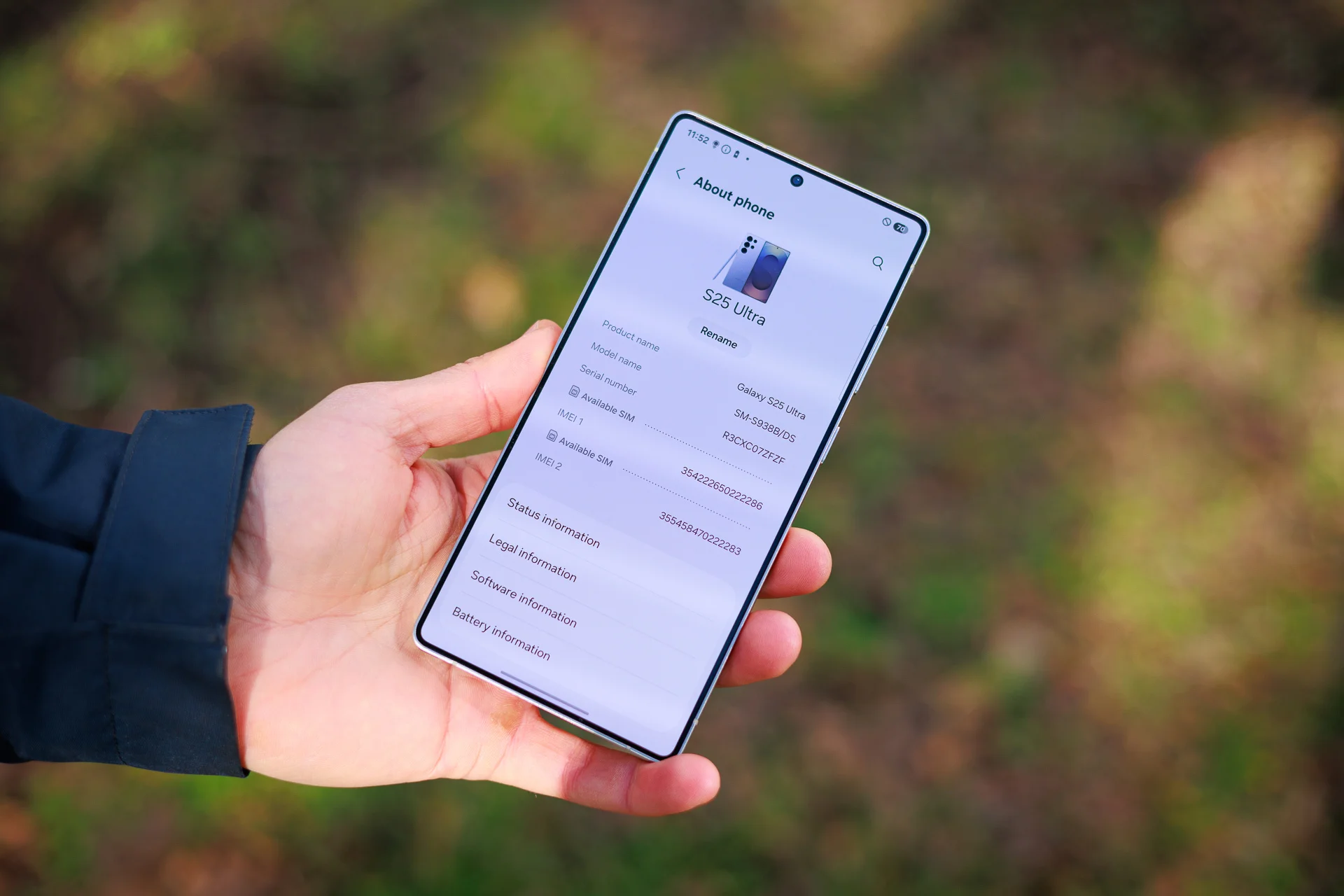
Even the Galaxy S25 Ultra got Android 16 with an over three-month delay. | Image credit – PhoneArena
Community Feedback
We asked users whether slow software updates would influence their choice of smartphone:
Poll result so far: 100% answered "Yes".
No More Excuses for Slow Updates
Apple’s iOS update schedule sets a high bar in the smartphone world, offering major updates like iOS 26 simultaneously to all supported older iPhone models days before a new iPhone launch. Android’s new strategy is a step towards parity, but OEM cooperation is key to making timely software updates a reality for all users.