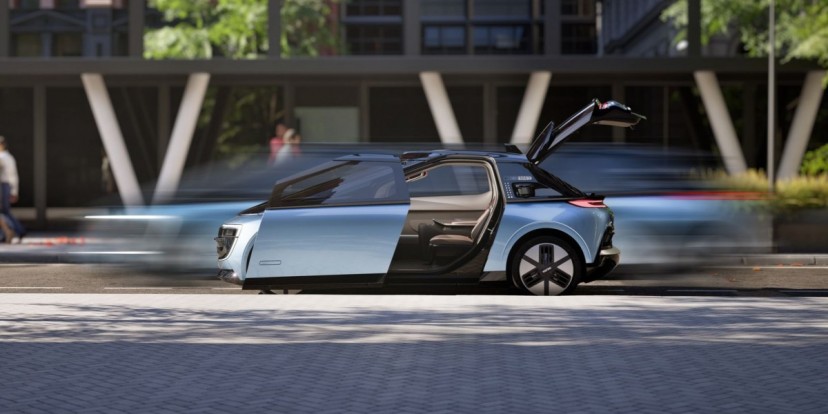
While automotive industry leaders often make grand announcements under bright lights, a quieter yet significant development is underway in the autonomous taxi sector. Although Elon Musk and Tesla frequently dominate discussions about the future of driving, Mate Rimac has taken a decisive lead in the robotaxi race.
Mate Rimac, famed for his high-performance supercars, has unveiled a fully operational robotaxi fleet under the new project Verne. Unlike others still in planning stages, Rimac has demonstrated his commitment by parking 60 completed Verne prototypes in a lot, signaling readiness to move forward.
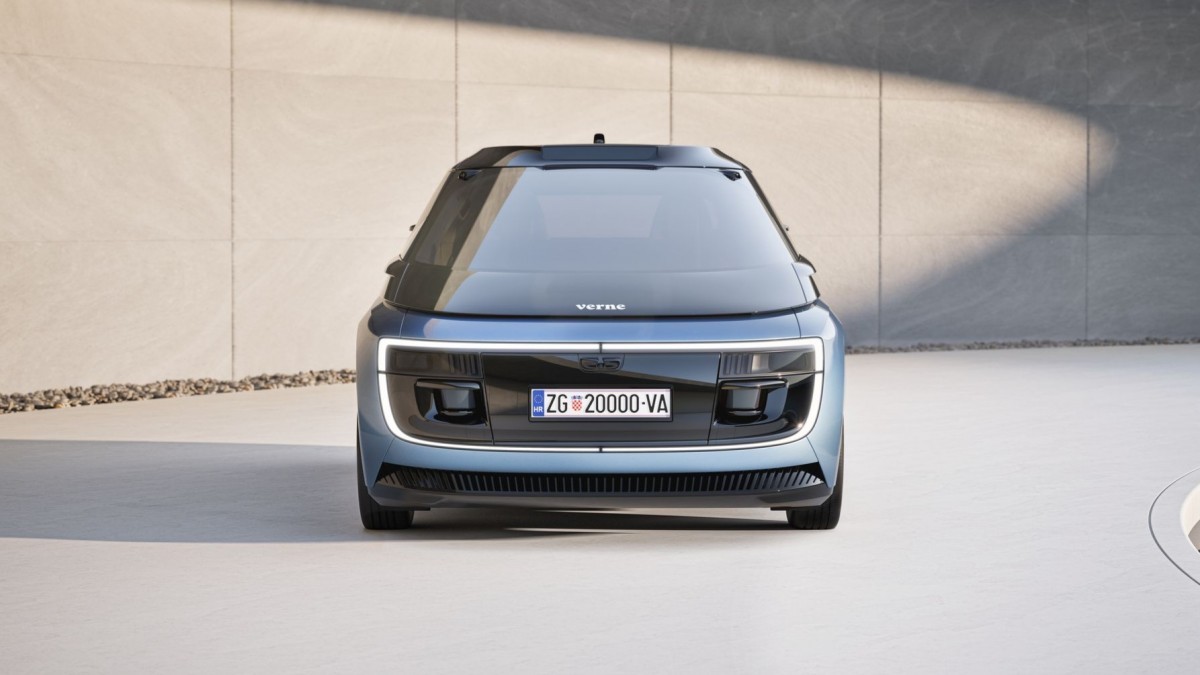
Rimac’s company is known for the Nevera, an electric hypercar boasting nearly 2,000 horsepower. Yet, together with co-founders Marko Pejković and Adriano Mudri, Rimac sought to address urban mobility challenges. Launched just over two years ago, Verne aims to create a fully autonomous taxi service — essentially an out-of-the-box robotaxi solution.
This approach echoes initiatives like Cruise in the U.S. and Waymo’s Jaguar-based fleet, but Verne’s strategy differs significantly.
Instead of adapting an existing vehicle with sensors and cameras, Verne designed its car from the ground up specifically for autonomous driving. Rimac shared an unpolished Instagram video filmed in a simple Croatian parking lot, walking viewers through the fleet, proving these cars are functional prototypes and not just concepts.
A post shared by Mate Rimac (@materimac)
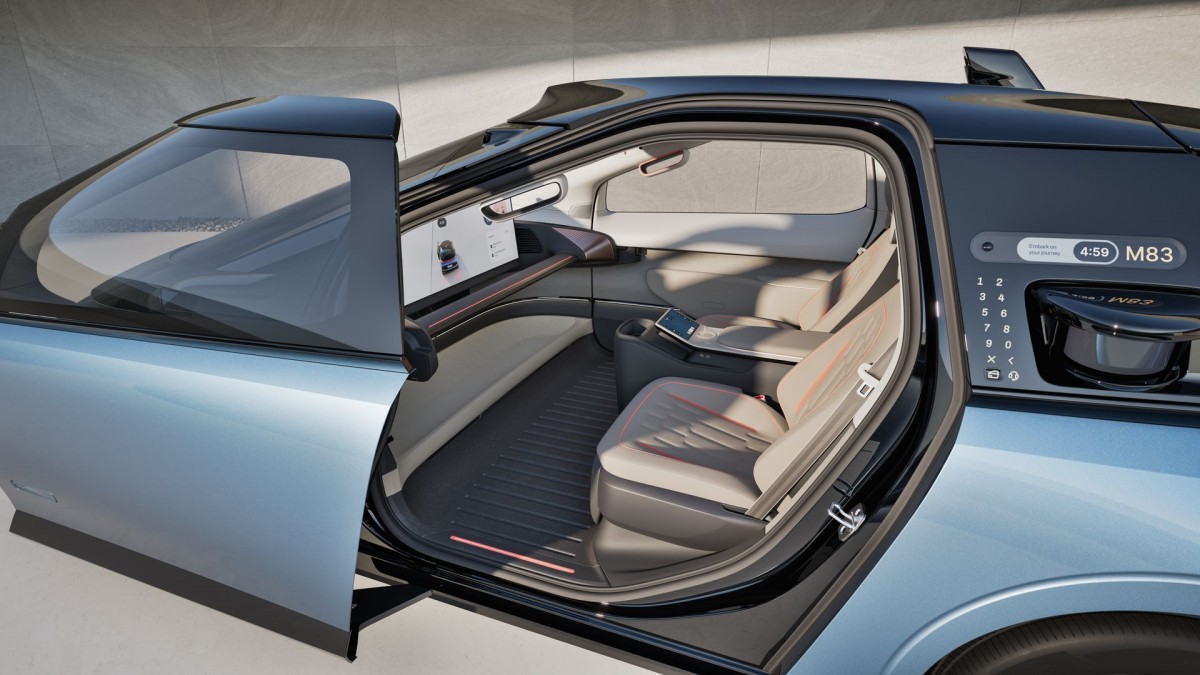
The compact two-door hatchback diverges from conventional car design, optimized solely for autonomous operation. Inside, the cabin impresses with comfort and space. Without a steering wheel, pedals, or rear seats, it offers a roomy experience for two passengers.
The front dashboard features a large screen, allowing occupants to stream movies or watch YouTube, transforming mundane commutes into productive or entertaining time.
Some admirers of Rimac’s high-speed electric cars may wonder why he is focusing on a slower taxi project. Rimac explains that city driving is often tedious and energy-draining due to constant stop-and-go traffic. By automating urban travel, drivers can preserve their enthusiasm for driving on open roads.
Underlying this design is advanced technology. The absence of manual controls indicates Level 5 autonomy, meaning the vehicle operates without any human intervention. Verne is already conducting street tests in Zagreb, Croatia, with plans to launch the service by spring 2026 — a concrete timeline compared to the often vague promises from competitors.
The project has raised approximately $234 million from prominent investors, including Rimac’s own company, Kia, Saudi investment firm Jameel, and the European Union, ensuring solid financial backing for development and deployment.
Source