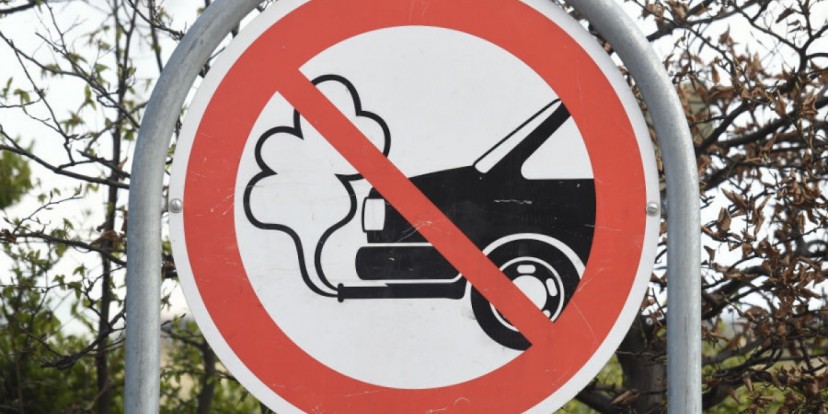
Brussels is currently filled with uncertainty as Europe’s leading automakers await a critical decision about the future of the automotive market. The European auto industry faces significant challenges as it transitions to electric vehicles while contending with competition from China and margin-reducing tariffs. This costly shift demands substantial investment in new platforms and battery production, placing considerable pressure on the sector’s financial health.
The industry is hoping for a European Union support package aimed at providing much-needed relief during this transformation. Attention is focused on this upcoming package because carmakers expect it to soften the stringent rules associated with the 2035 phase-out of traditional combustion engines.
Automakers across Europe are lobbying Brussels for greater flexibility regarding the 2035 deadline. Their request is not for a full repeal but rather for allowances that include CO2-neutral fuel vehicles and exemptions for plug-in hybrids. Industry leaders argue that these adjustments would facilitate a smoother transition to electric mobility, safeguard jobs, and preserve profitability while continuing to meet climate objectives.
The European Commission initially planned to announce the support package on December 10, but insiders close to the German automotive sector now indicate this timeline will likely be delayed. Another industry source confirmed a widespread expectation among manufacturers that the Commission may postpone the proposal's release beyond this date.
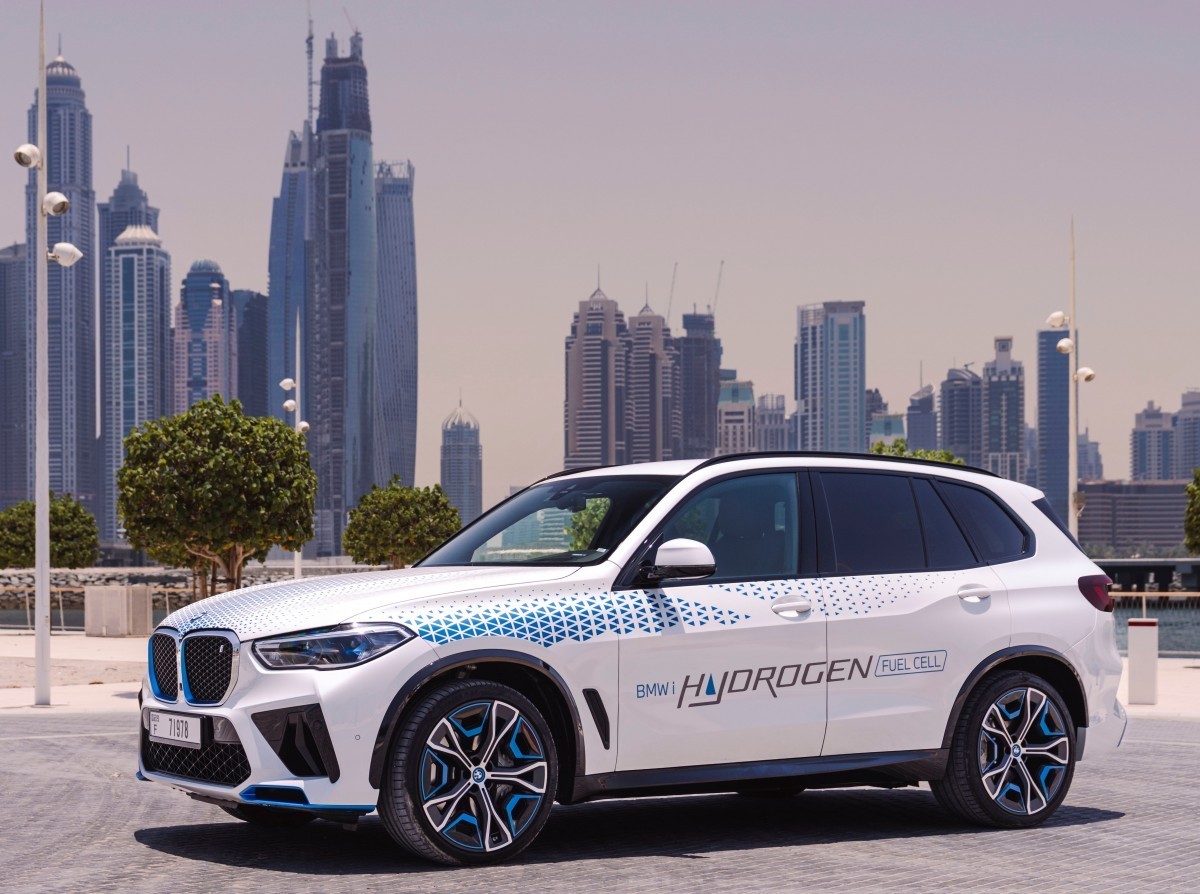
Although no official confirmation of a delay has been made, growing speculation suggests active discussions behind the scenes. Automakers, eager for clarity on their electric and hybrid investments, are closely watching for any updates.
This complex political negotiation has attracted high-level involvement. German Chancellor Friedrich Merz recently appealed to Brussels, urging exemptions for both plug-in hybrids and "highly efficient" combustion engines from the 2035 phase-out. His intervention carries significant influence, with EU Transport Commissioner Apostolos Tzitzikostas describing the Chancellor's letter as "well received" in an interview with the German publication Handelsblatt.
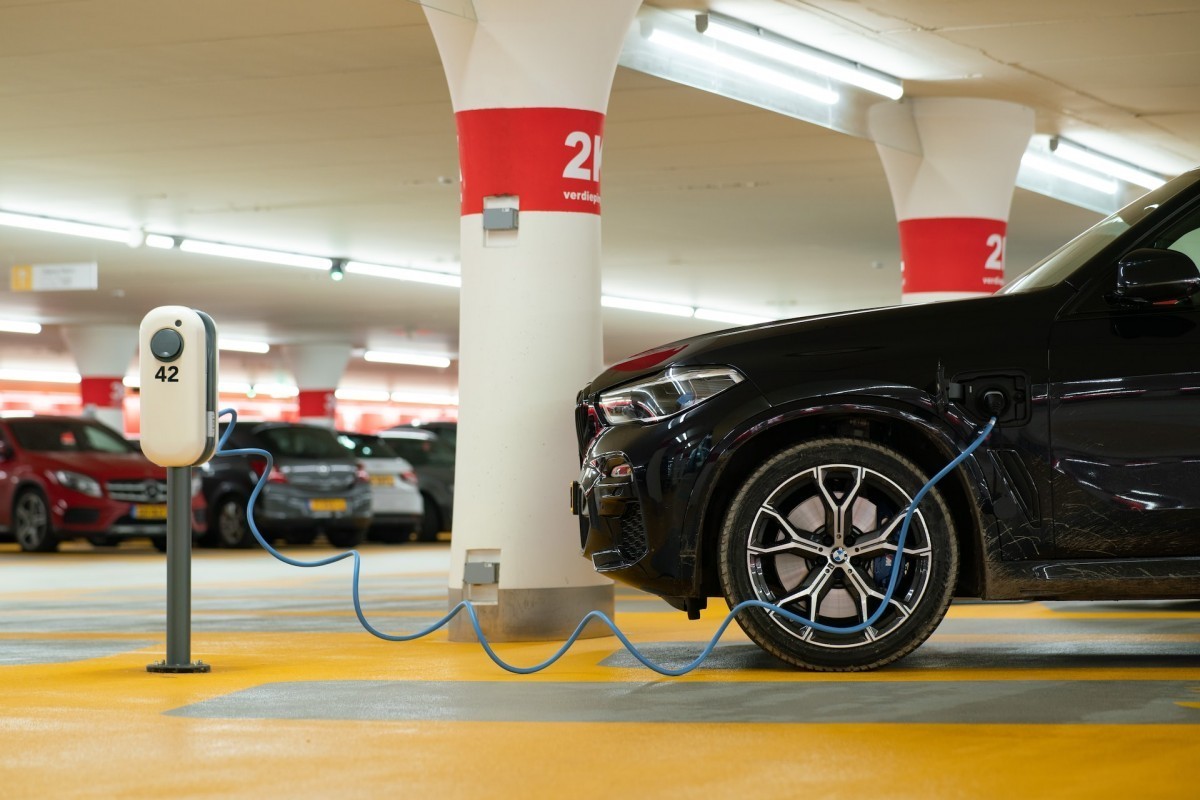
The European Commission has sought to quell rumors without outright denying a possible delay. A spokesperson emphasized that all timelines are "indicative" and that the decision-making process remains "ongoing," with final steps to be determined after considering all stakeholder input. This measured response leaves the industry in uncertainty but also signals that revising the 2035 combustion engine ban is under genuine consideration.