Over the years, Samsung has built a reputation as a company that pushes boundaries and innovates in the smartphone industry. However, recent trends suggest that Samsung might be edging closer to the kind of slow, incremental updates Apple is often criticized for. From stagnant battery capacities to recycled software features, the Galaxy lineup's evolution is increasingly feeling predictable and conservative. Let’s dive into the various areas where Samsung seems to be playing it safe, and consider what this means for its loyal user base.
Galaxy Ultra Battery: Stuck in a Rut
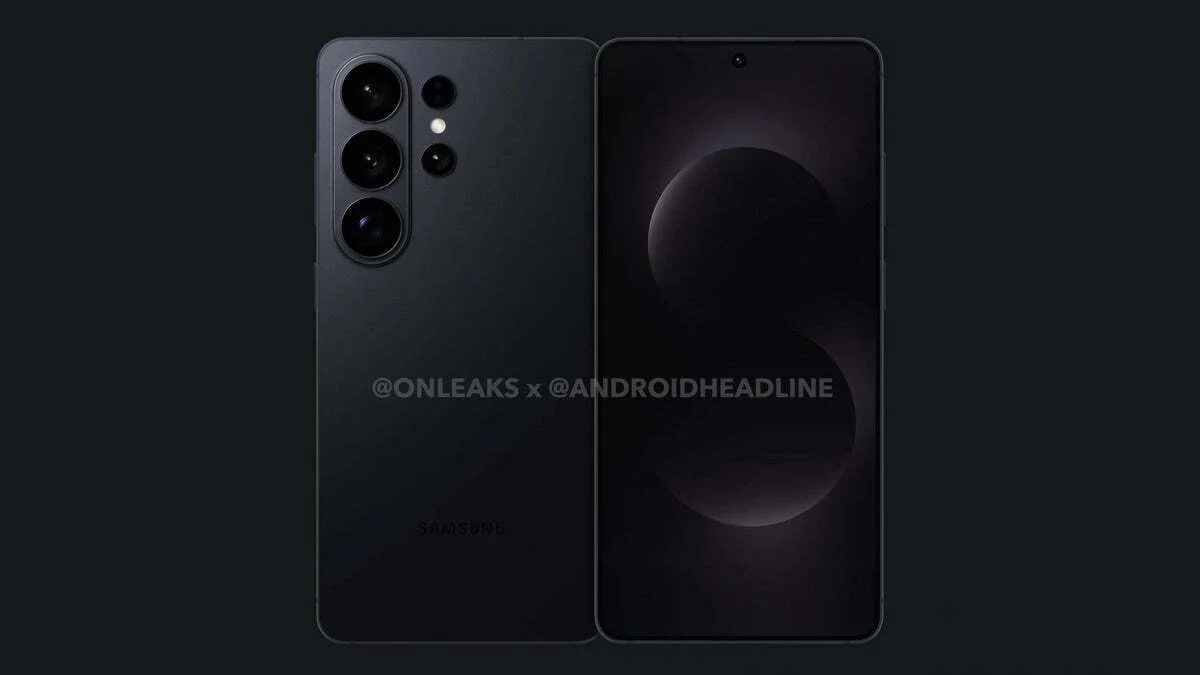
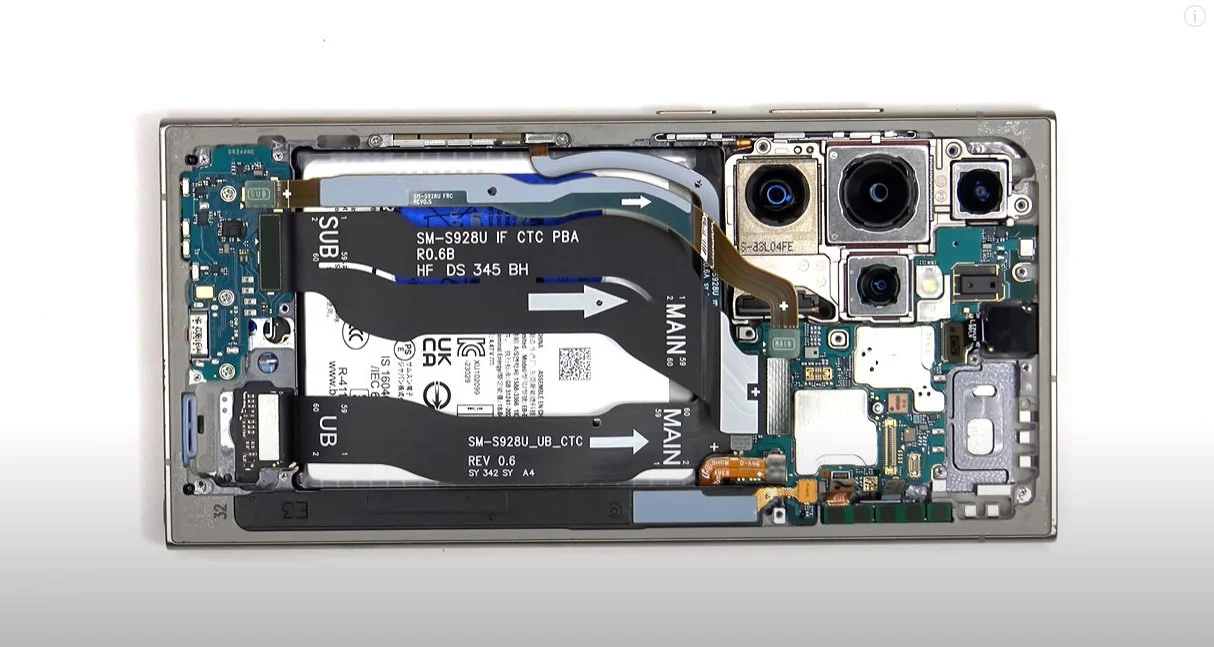
Despite advances in battery technology and competitors introducing impressive 7,000 mAh silicon-carbon batteries, Samsung’s Galaxy Ultra models have barely changed their battery size since the Galaxy S20 Ultra debuted in 2020 with a 5,000 mAh pack. Rumors about the upcoming Galaxy S26 Ultra suggest a modest upgrade to 5,400 mAh at best, a step that feels underwhelming given the leaps made by other brands like OnePlus and Oppo.
Base Galaxy Models: Minimal Innovation
Meanwhile, the regular Galaxy S and S Plus models see even less change year over year. With the primary updates revolving around chipset improvements and minor design tweaks, the overall experience remains largely unchanged. The design language between the S22, S23, and now S24 is strikingly similar, leading many to label the iterations as uninspired and lacking excitement.
Display technology advances have also been limited mostly to incremental brightness boosts, with premium features like anti-reflective coatings reserved only for Ultra variants.

Static Camera Capabilities
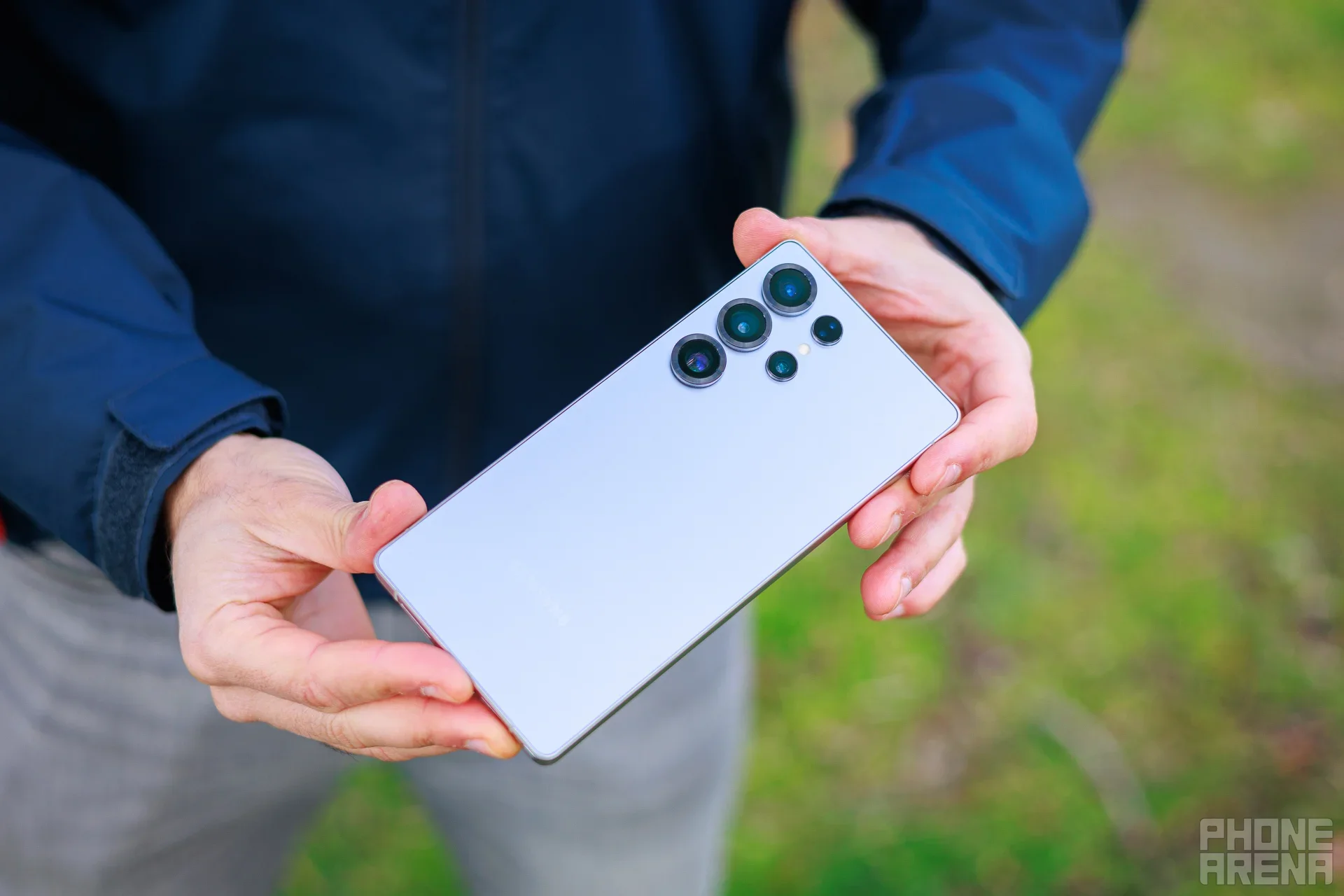
Camera enthusiasts have reason for disappointment as well. The base Galaxy S model, once a standout at around $800 for including a telephoto lens, now appears to be lagging behind the competition. The Galaxy S26 is expected to retain the same 3X telephoto sensor, which struggles in low-light scenarios, leaving users searching for stronger camera innovations elsewhere.
Software Updates Feel Familiar
Samsung’s One UI remains one of the most polished Android skins, but the pace of innovation has slowed. Recent updates mostly focus on integrating AI features, many of which leverage Google’s technologies rather than Samsung’s own breakthroughs. While features like Gemini offer value, the absence of fresh, bold software advancements dampens excitement among longtime users.
Foldables: Playing Catch-Up
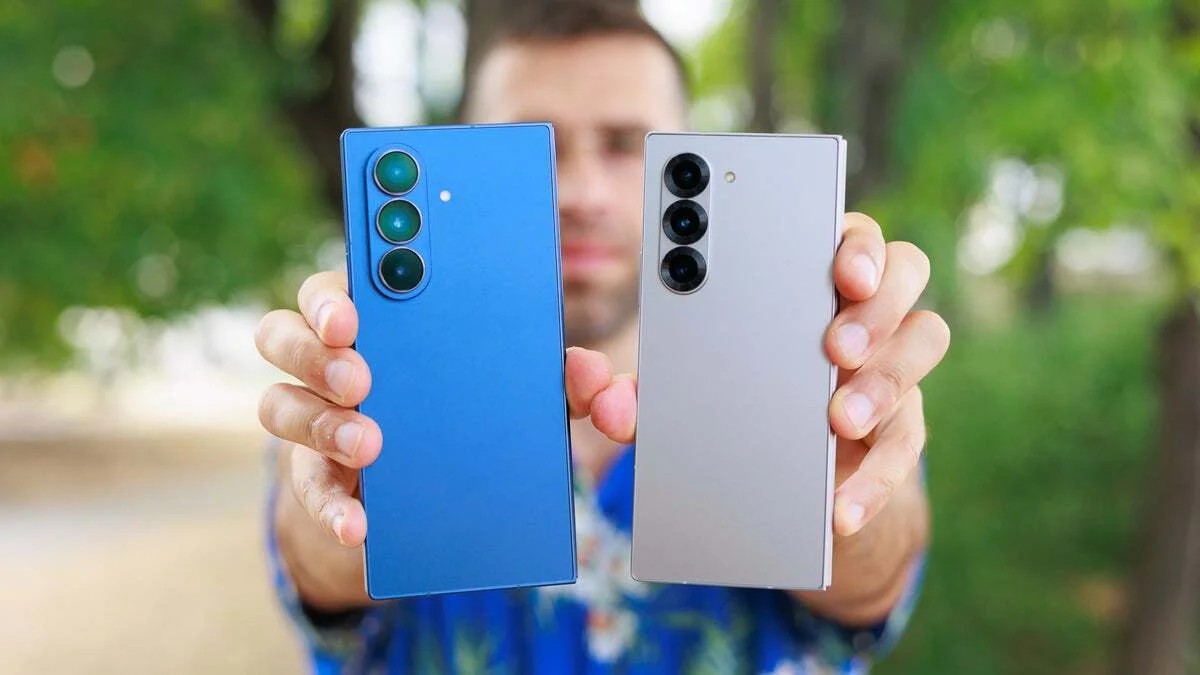
Samsung’s Galaxy Fold series offers a clear example of delayed innovation. After six iterations with a narrow cover screen that limited usability, Samsung only recently adopted a wider design—a move made after several other manufacturers like Oppo and Huawei had already refined their foldable displays. This highlights Samsung’s occasional hesitancy to pivot swiftly in response to market demands.
Ignoring Core User Requests
One notable frustration among Samsung’s dedicated fanbase is the continued omission of microSD card slots. With the growing speeds of SD cards, including expandable storage would benefit many users. Instead, Samsung opts for a strategy reminiscent of Apple—pushing pricier internal storage upgrades and leaving expansion out of the equation.
Is Samsung Becoming the New Apple?
Skeptics argue that Samsung is beginning to emulate Apple’s approach: delivering fewer meaningful upgrades and encouraging users to upgrade on habit rather than excitement. While Samsung still leads in some innovation areas, the company’s reluctance to make significant changes risks alienating users who expect more from yearly releases. It’s a critical juncture where Samsung must decide whether to continue this cautious trajectory or rekindle its streak of disruptive innovation.