SMIC Employs Multi-Patterning with DUV for Huawei Mate 80 Pro’s Processor
Currently, only Dutch company ASML manufactures the extreme ultraviolet (EUV) lithography equipment required for fabricating chips at 7nm process nodes and below. While ASML continues to supply China with Deep Ultraviolet (DUV) lithography machines, these tools lack the capability of EUV when it comes to making the most advanced semiconductors. However, China’s largest semiconductor foundry, SMIC, leverages a technique called multi-patterning. This method involves printing and etching circuit patterns multiple times—up to four passes—to compensate for the limitations of DUV technology, compared to the single pass required by EUV machines.
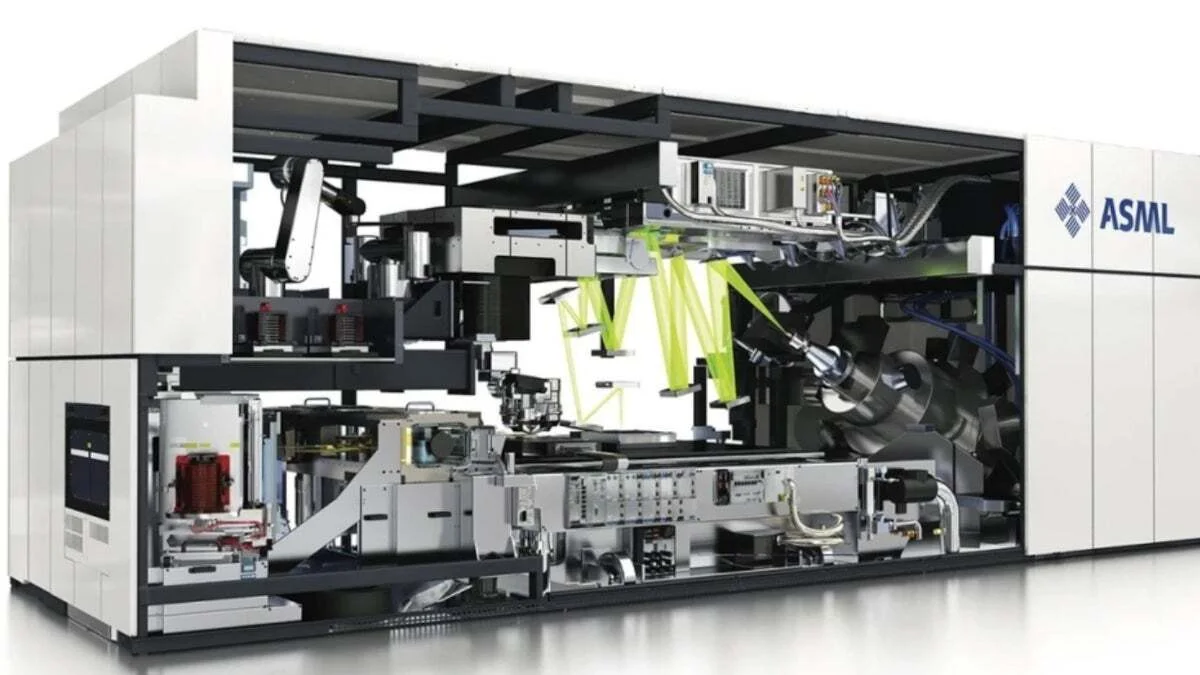
However, multi-patterning introduces challenges related to precisely aligning multiple pattern layers, which often results in lower yields and higher manufacturing costs. Reports suggest SMIC has used this technique to create the Kirin 9030 application processor (AP) utilizing its N+3 process node, delivering performance comparable to 5nm class chips. This processor powers Huawei’s Mate 80 Pro Max smartphone.
Achieving 2nm Performance Without EUV Through a Novel Patent
Looking ahead, Huawei may significantly advance chip manufacturing despite restrictions on EUV access. According to a South China Morning Post report, Huawei filed a patent in 2022 for an innovative method involving metal integration that could push the capabilities of DUV lithography closer to those of 2nm-class nodes. This technique would allow DUV machines to fabricate more intricate metal structures, potentially matching the performance achieved using EUV technology.

Community Opinions: Will Huawei Reach 2nm with DUV?
- Yes: 100% (6 votes)
- No: 0% (0 votes)
Industry veterans speculate that combining Huawei’s metal integration patent with advanced memory technology and unique chip architectures could allow 14nm logic chips to perform on par with Nvidia’s 4nm GPUs designed for artificial intelligence workloads. Although the patent was publicly announced by China’s national intellectual property office earlier in the year, there is no indication it has yet been implemented in chip production.