Introduction
In recent years, compact flagship smartphones have evolved dramatically, closing the performance and feature gap that once existed between smaller devices and their larger counterparts. Thanks to innovations in design, hardware, and software optimizations led by market pioneers like Apple and Google, users no longer have to compromise on power or experience when choosing a smaller phone. This article explores how the latest compact flagships stack up against big phones and what you can still expect to give up, if anything, when opting for a smaller device.
Apple Pioneered the Compact Pro Experience
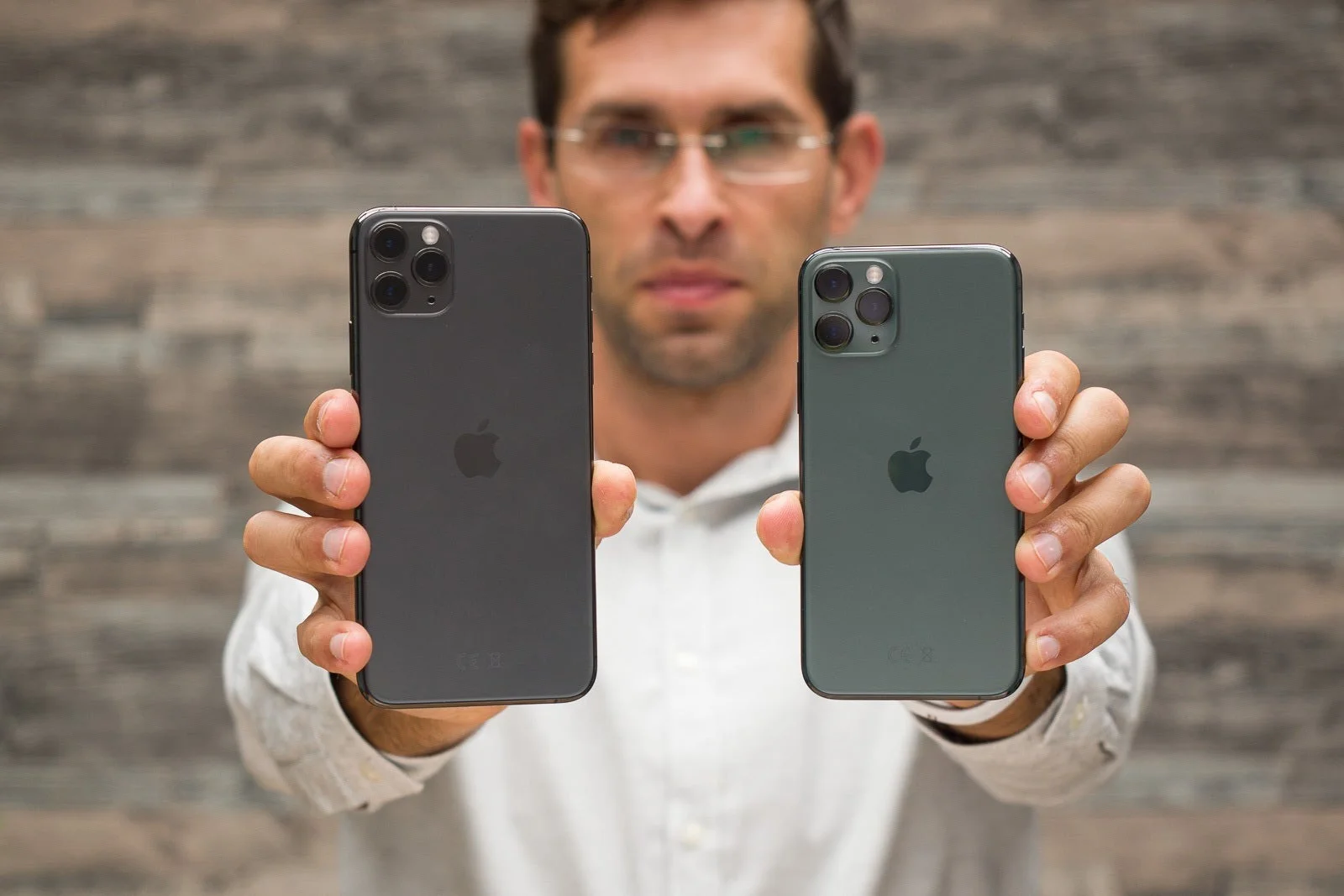
Apple has been trailblazing the “Pro mini” concept for years. The iPhone 17 Pro, with its 6.3-inch display, is notably smaller than the Pro Max but maintains virtually all the core features and power. This year, Apple took a significant step by bringing the base iPhone 17 into the “mini Pro” realm as well.
The standard iPhone 17 now features a 120 Hz ProMotion display with Always-On technology, peak brightness reaching 3,000 nits, anti-reflective coating, doubled base storage, faster 40W charging, and enhanced stereo speakers. The camera system also saw improvements, including a 48 MP ultrawide sensor and a new 18 MP front-facing camera that addresses the portrait-orientation selfie issue effectively.
While the Pro model continues to enjoy advantages in zoom capabilities and sensor sizes, including a dedicated Shortcut Button, the overall user experience remains largely consistent. For many, the smaller form factor offers a more comfortable daily use.
Google’s Commitment to Smaller Flagships
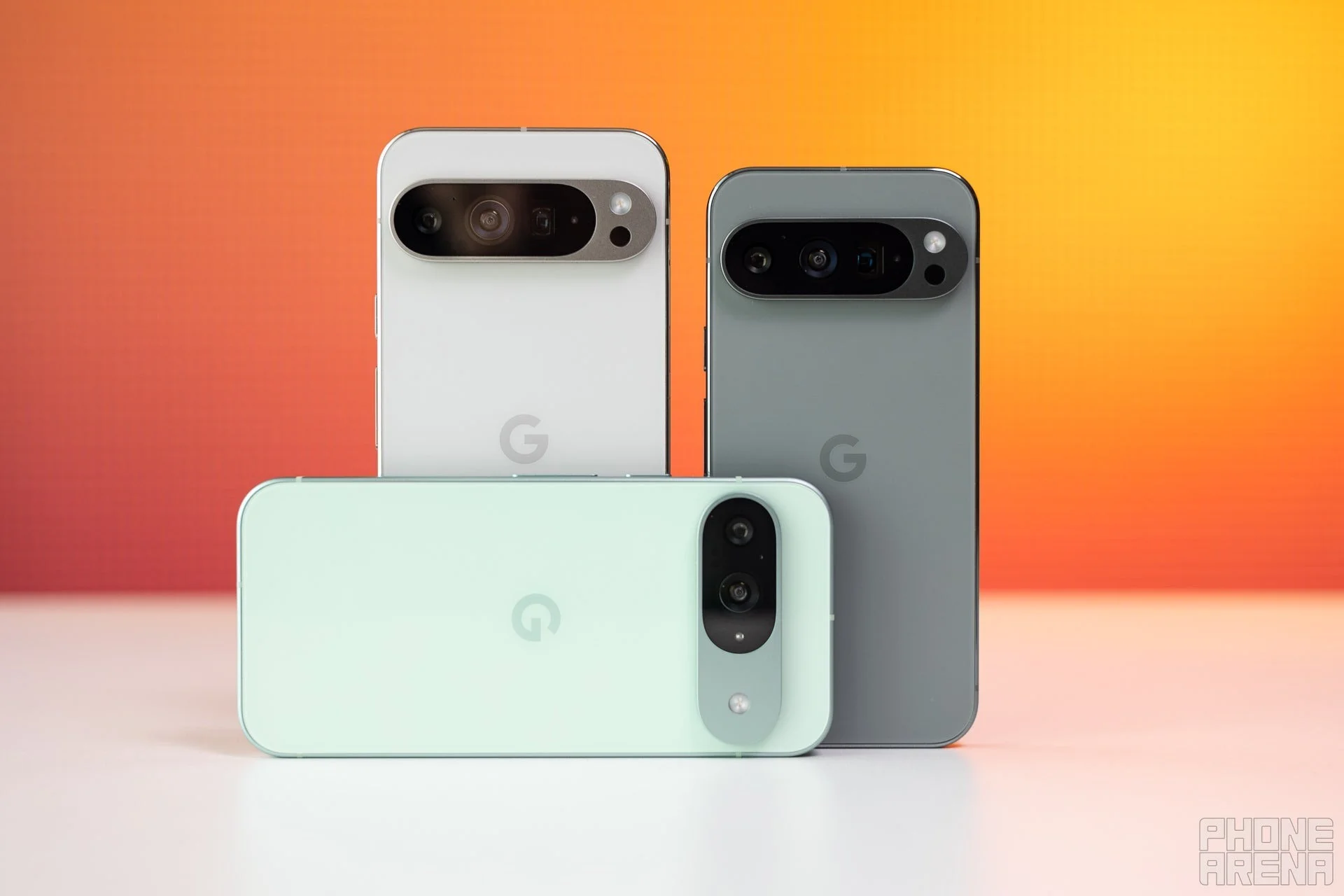
Following Apple’s lead, Google embraced the “mini Pro” trend with the Pixel 9 Pro and continued this strategy with the Pixel 10 Pro. These 6.3-inch phones deliver outstanding battery life and flagship-level performance without compromise. Google makes it easy to pick the smaller model without feeling penalized, giving buyers a choice that balances size, power, and price effectively.
Samsung’s Progress Toward Compact Excellence
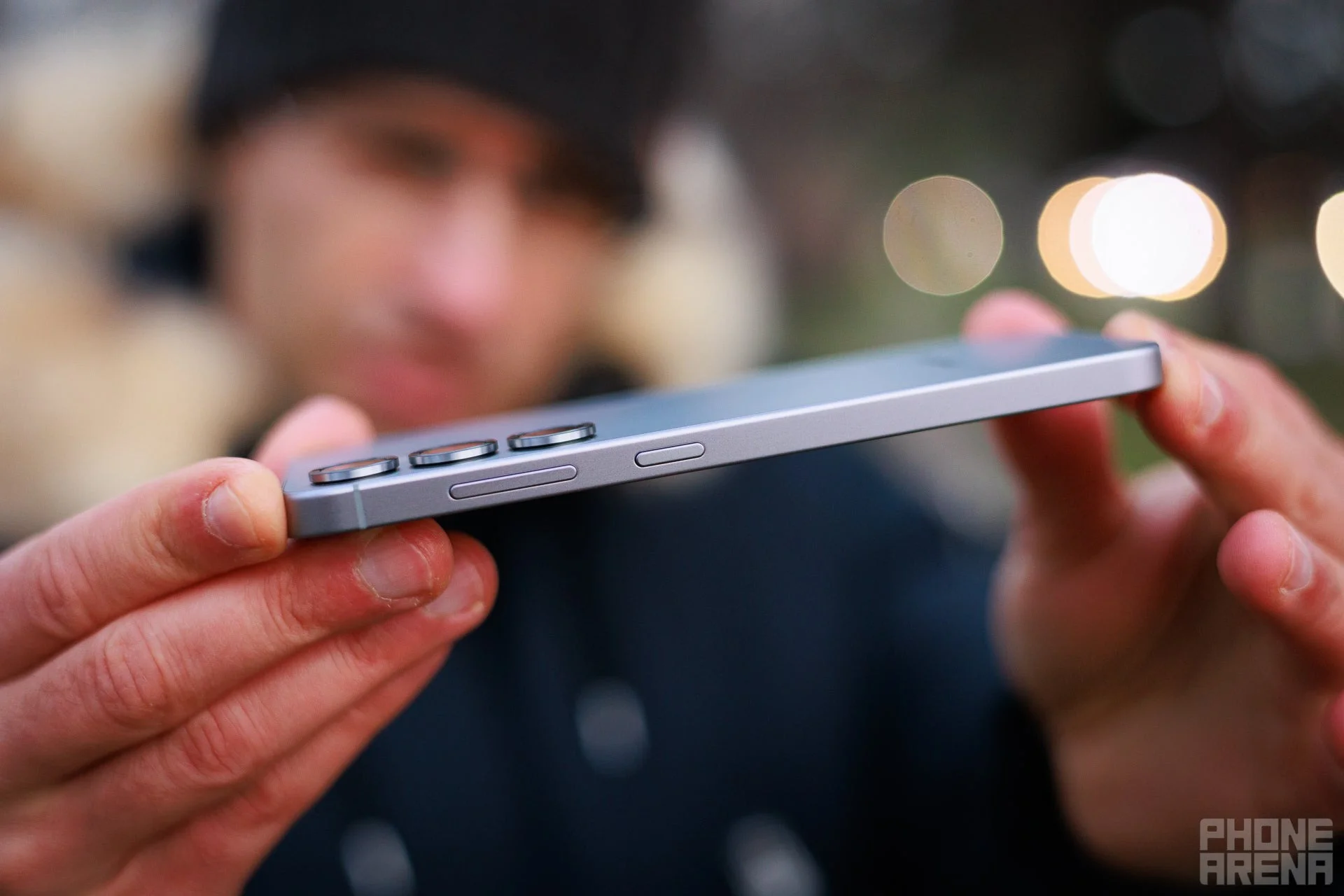
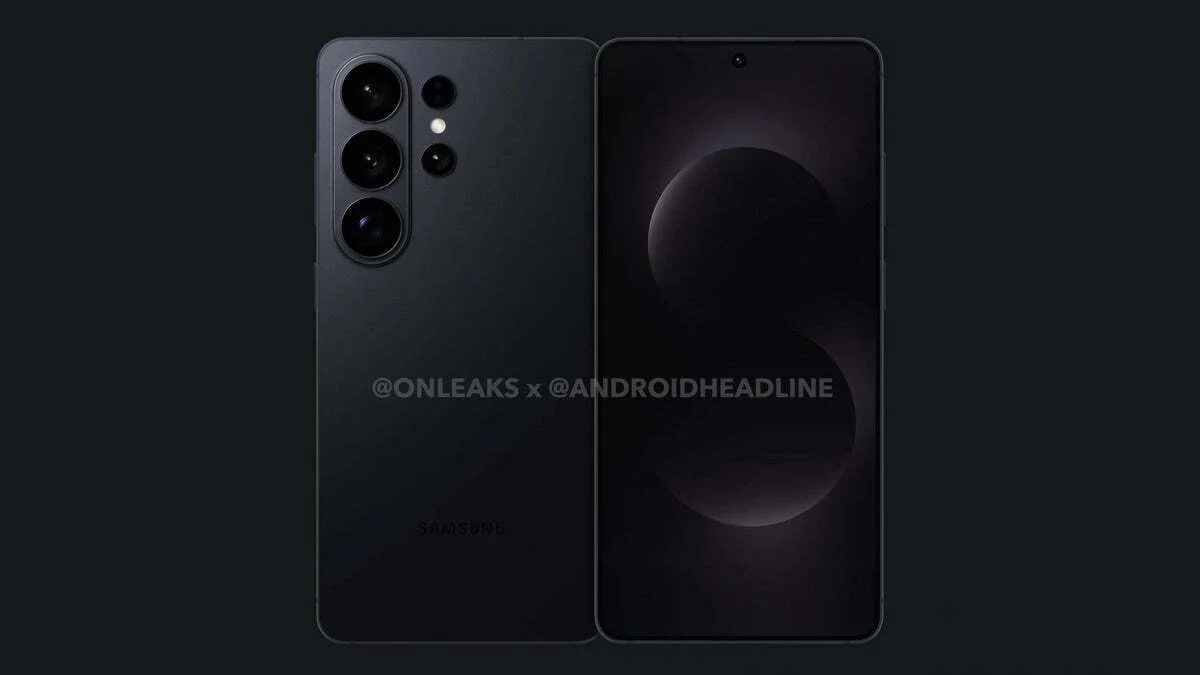
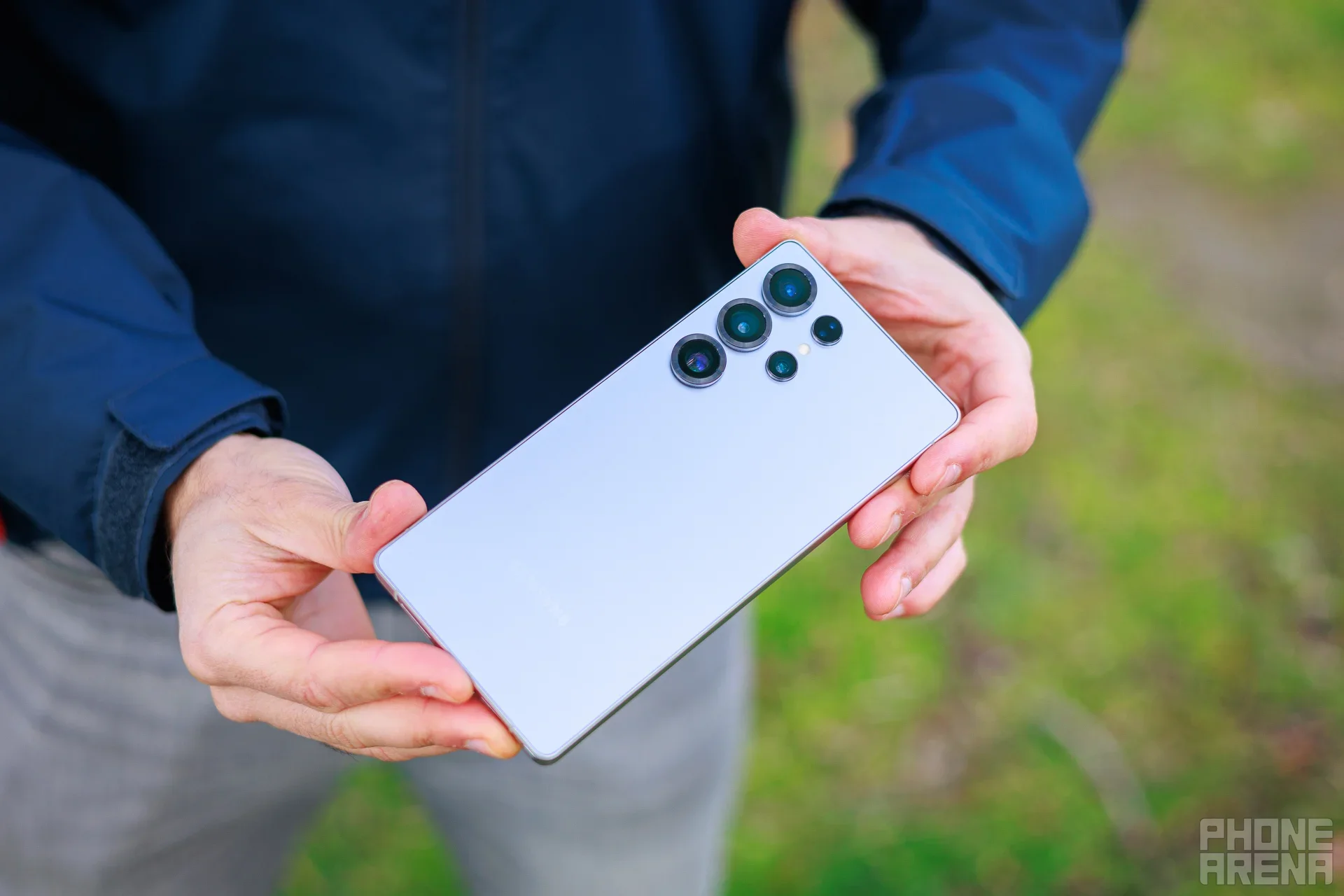
Samsung’s Galaxy S25 stands as one of the top compact flagships currently available. Powered by the Snapdragon 8 Elite chipset and featuring 12 GB RAM alongside a vibrant 6.2-inch display, it embodies a true “Pro mini.” Although its performance and user experience are stellar, Samsung is still working toward fully closing the gap when compared to larger models.
Where Compact Phones Still Lag Behind
Battery Life
Physical limitations remain a hurdle. Smaller phones like the iPhone 17 Pro, Pixel 10 Pro, and Vivo X300 generally last all day under moderate usage but don’t match the endurance of their larger siblings.
Zoom Capabilities
Compact flagships typically lack extreme zoom ranges seen in Ultra or Pro Max phones. The iPhone 17 Pro offers a useful 4x zoom, but it still misses out on 5x and 10x telephoto extremes. Similarly, the Vivo X300 cannot replicate the zoom versatility of its Pro variant.
Thermal Management and Sustained Performance
Larger phones dissipate heat more effectively, allowing for higher sustained GPU performance during intense use. The iPhone 17 Pro made strides here, but physics still favors bigger devices.
Audio Quality
Although the audio output of smaller phones is impressive—especially the iPhone 17—the biggest models continue to deliver richer, fuller sound due to their ability to push more air.
A New Era of Equality in Flagship Smartphones
Technologies like Apple Intelligence and Galaxy AI no longer require massive differences in silicon to deliver top-tier experiences. Phones such as the Pixel 10, iPhone 17, Galaxy S25, and Vivo X300 prove that compact flagships can offer nearly identical performance and features to their larger peers, giving consumers more choice without compromise.