In celebration of the International Day of Persons with Disabilities, Google has introduced a set of groundbreaking accessibility features alongside the Android 16 release and other general Android updates. These new tools leverage the power of Google’s Gemini AI to create a more intuitive, inclusive user experience—ranging from dynamic expressive captions to a truly universal dark mode that seamlessly adapts across apps.
Major Accessibility Advancements in Android 16
The Android 16 update brings multiple innovative features designed to make smartphones easier and more enjoyable to use for people with diverse needs:
-
Guided Frame: Enhanced with Gemini AI, the Pixel camera’s Guided Frame feature goes beyond simply detecting faces. It now provides detailed audio descriptions of the scene, for example, “One girl with a yellow T-shirt sits on the sofa,” helping users with low vision better understand their environment.
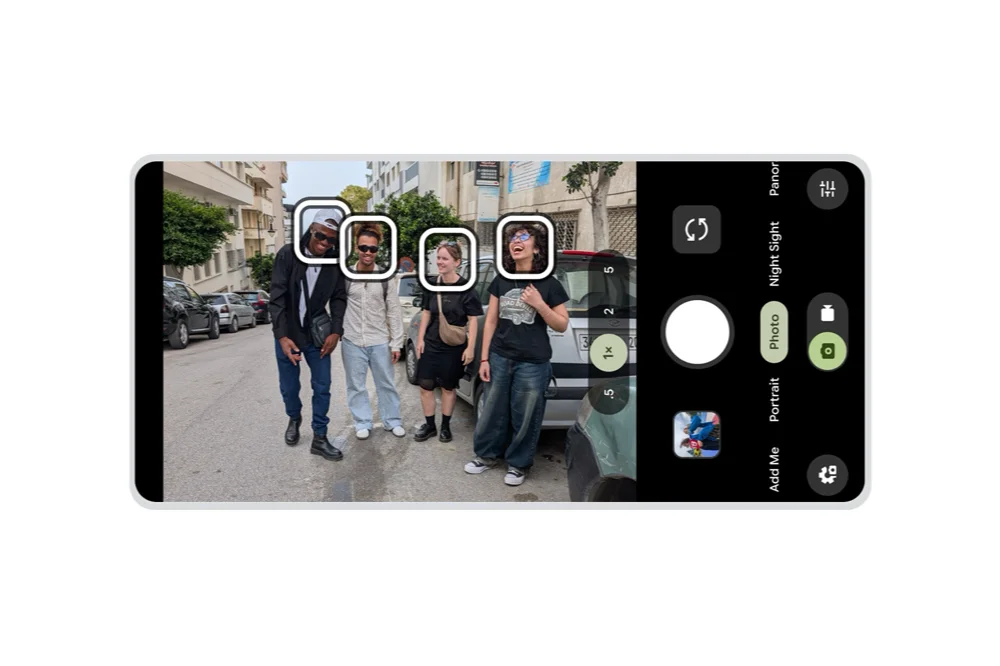 Image credit — Google
 -
Expressive Captions: Standard captions often lack emotional context. Now, AI-powered Expressive Captions add tags like [joy] or [sighs] and indicate speech intensity, bringing a richer, more immersive understanding to captions. This feature is also being rolled out on YouTube for English-language videos.
Video credit — Google
-
Expanded Dark Theme: Android 16 solves a common nighttime annoyance by automatically applying a dark mode to apps that don’t natively support it, protecting users’ eyes and delivering a visually consistent experience across the device.
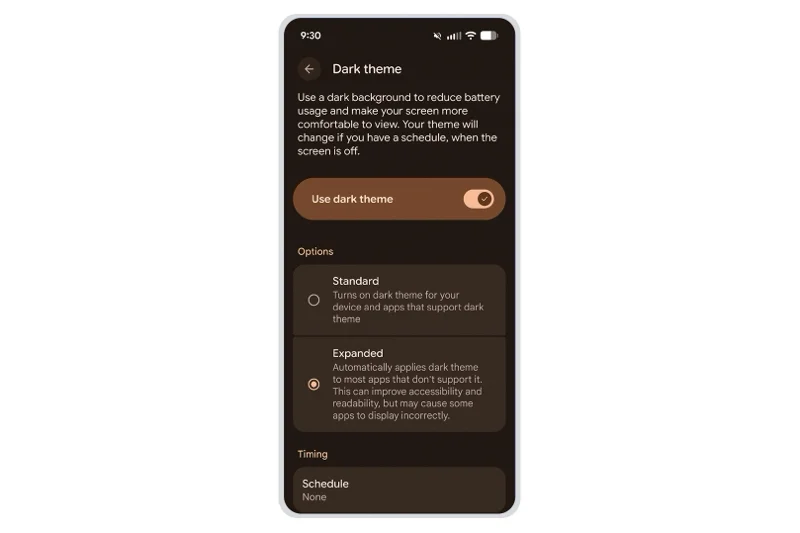 Image credit — Google
 -
TalkBack & Voice Access Enhancements: Voice control becomes more versatile with a new two-finger double-tap in Gboard to start dictation. Gemini’s natural language processing enables commands such as “make it shorter” for text editing. Additionally, Voice Access can now be activated hands-free by saying, “Hey Google.”
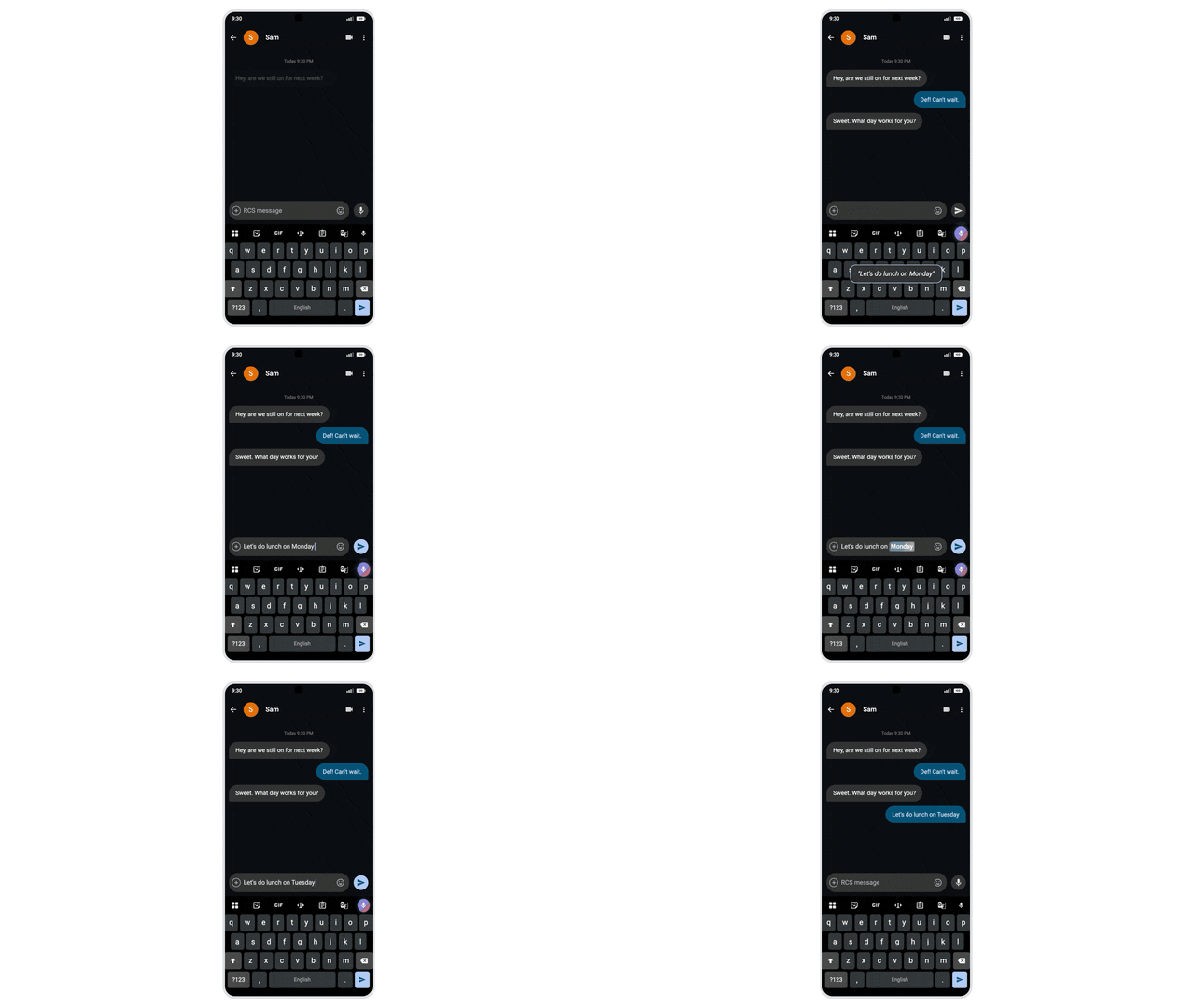 Image credit — Google
 -
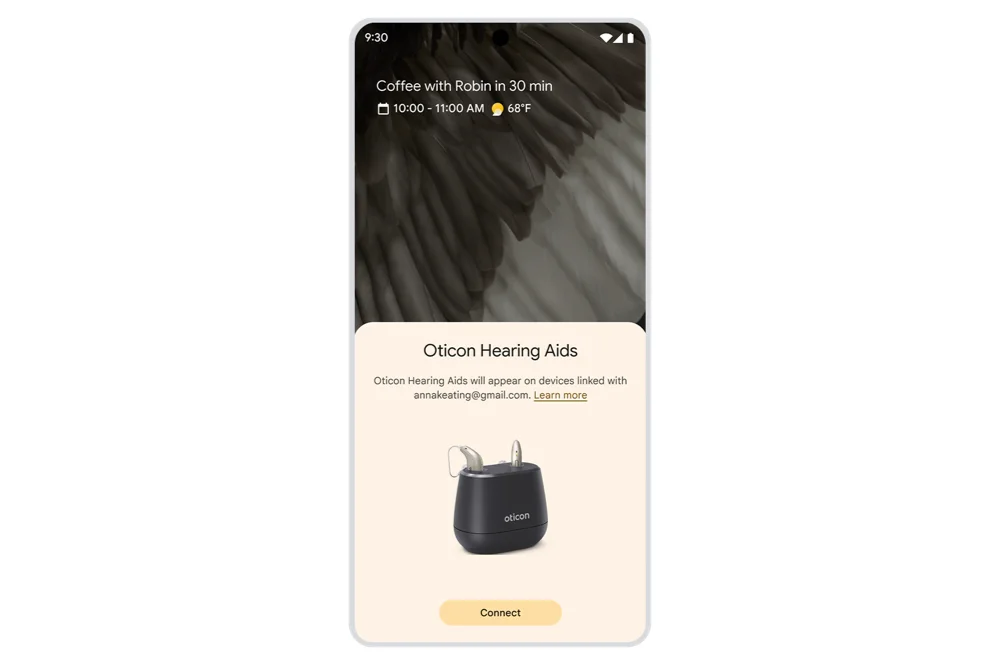
Peripheral Support: For users relying on accessories, the new AutoClick function allows mouse users to customize dwell times and perform drag or scroll actions without physically clicking. Hearing aid users will benefit from Fast Pair compatibility, with initial support for Demant hearing aids and Starkey technology coming soon.
Video credit — Google
Why These Updates Matter
Historically, Apple has dominated the accessibility space with streamlined integration and polished features. Google is now turning the tables by leveraging artificial intelligence to add depth and nuance to Android’s accessibility capabilities. By doing so, the experience isn’t just improved for users with disabilities but enriches media consumption and everyday interactions for all Android users.
Your Feedback Matters
Which of these Android accessibility features are you most excited to try?
Looking Ahead: A Smarter Android for All
When implemented as intended, these updates promise to transform Android into a holistic platform that intuitively supports users across the board. Google’s approach is a significant step toward making the operating system feel like one integrated experience, rather than a fragmented collection of apps and features.