Introduction:
The upcoming Samsung Galaxy S26 Ultra promises several advancements, particularly in display technology with its adoption of the new M14 OLED material. This new generation organic panel is expected to enhance various aspects of the screen, but recent insights suggest that Samsung’s approach will prioritize power savings over dramatic visual improvements. In this article, we explore what this means for the Galaxy S26 Ultra display, how it compares to competing devices, and what users can realistically expect from the flagship’s screen.
Galaxy S26 Ultra and the M14 OLED Material
The Galaxy S26 Ultra is set to feature Samsung Display’s latest M14 OLED material, an evolution from the M13 panel seen on the Galaxy S25 Ultra. The M14 represents Samsung’s cutting-edge organic composition designed for premium smartphone displays, promising efficient power consumption and potential advancements in brightness and color reproduction.
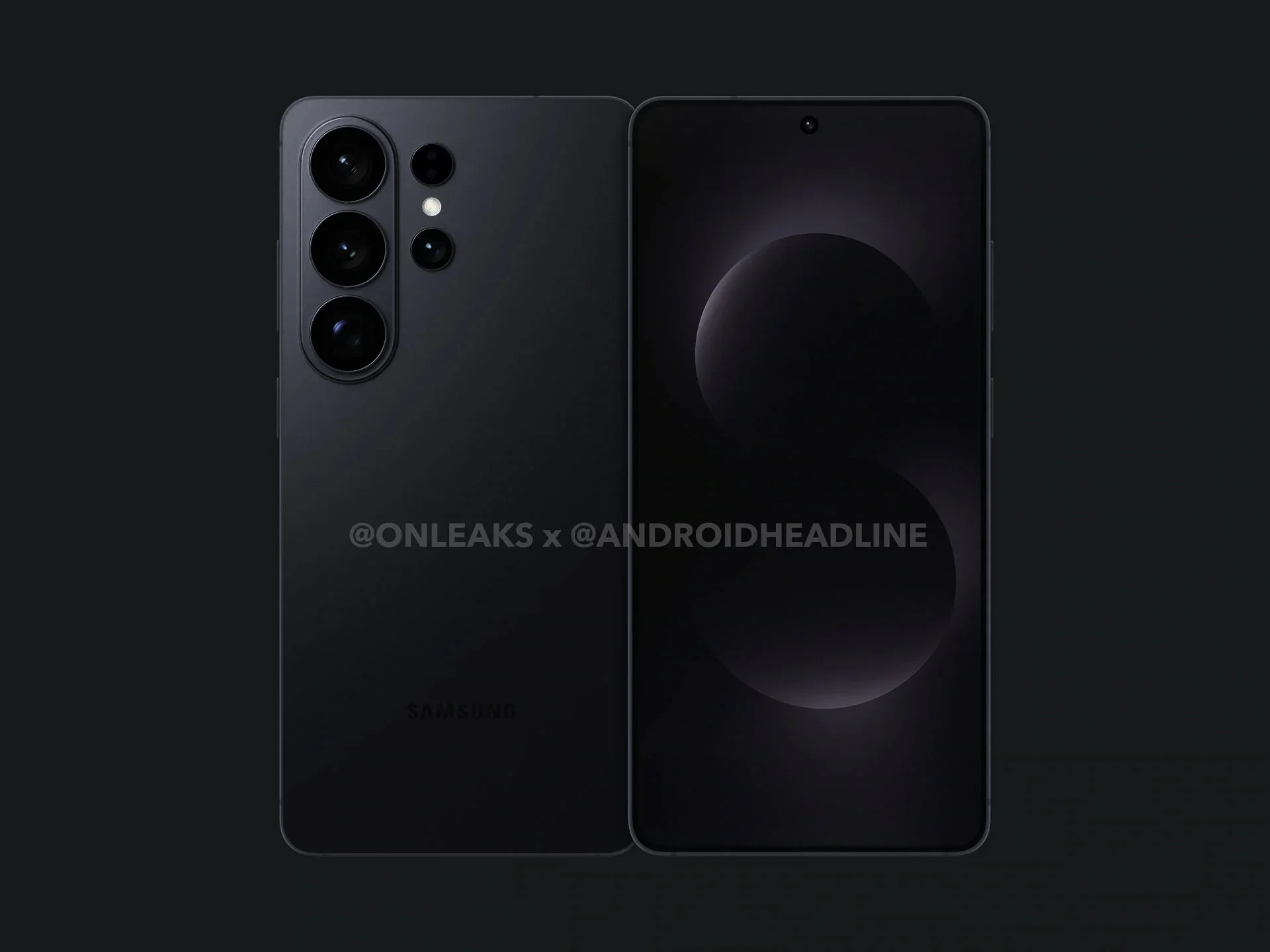
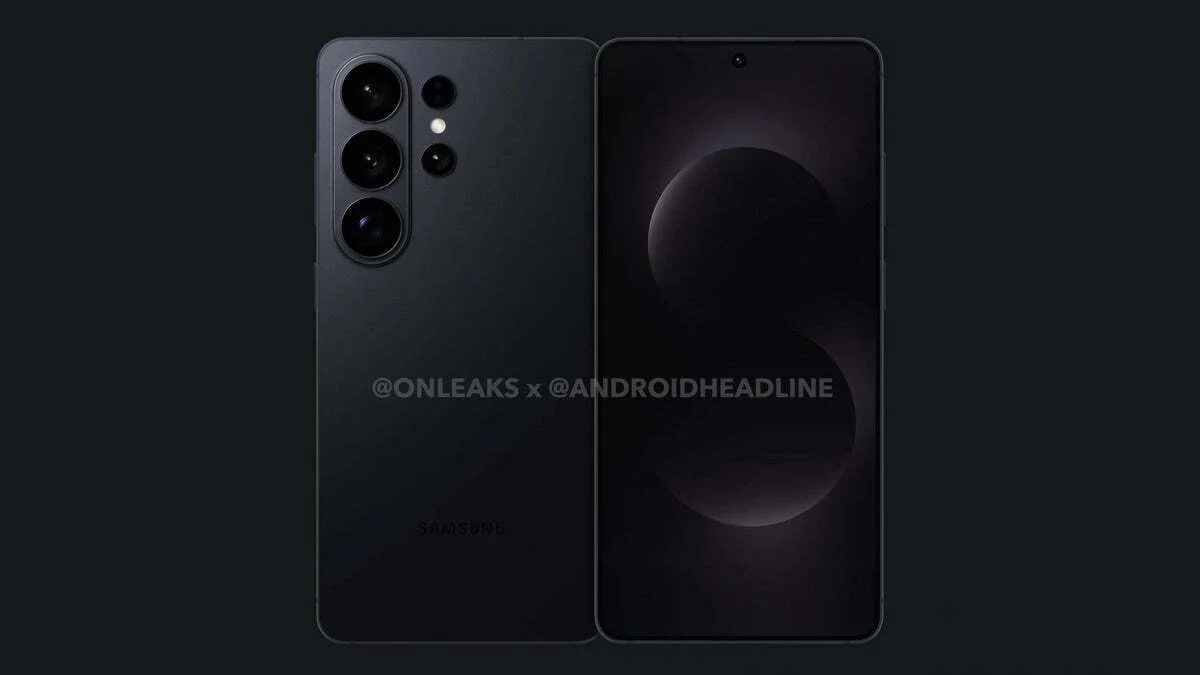
Galaxy S26 Ultra render. | Image credit — Android Headlines
What to Expect from the Display Performance
While the M14 OLED panel is technically capable of impressive feats such as higher peak brightness, support for wider color gamuts, and high-frequency dimming, reliable sources like tipster Ice Universe indicate that Samsung may choose a different route. Rather than pushing the M14 to its maximum potential for vibrant visuals, the company appears to be optimizing the panel primarily to extend battery life on the Galaxy S26 Ultra.
Specifically, Samsung is rumored to employ strategies like limiting the display to 8-bit color depth, capping peak brightness at around 2,600 nits, and using low-frequency Pulse Width Modulation (PWM). These choices reduce power consumption but also mean that the display will not showcase the full visual capabilities the newer OLED material could offer.
Contrasting Approaches: Samsung vs. iQOO
In contrast, competing brands like iQOO reportedly use the M14 OLED panel to its fullest extent—delivering higher brightness levels, richer colors, and advanced dimming techniques for better overall display performance. Samsung's strategy reflects a trade-off, focusing on battery endurance over raw display prowess.
What This Means for Users
For Galaxy S26 Ultra owners, this approach should translate to longer-lasting battery life without greatly sacrificing the quality expected from a flagship screen. While it may not be a massive upgrade in vibrancy or peak brightness compared to its predecessor or rivals, the improved power efficiency is a worthwhile benefit for many users.
Conclusion
The Galaxy S26 Ultra’s use of M14 OLED material highlights an interesting shift in priorities, where energy efficiency is weighted more heavily than pushing the display’s visual limits. If battery longevity is a top concern for you, the S26 Ultra is positioned to deliver. However, those seeking groundbreaking display brightness or color enhancements might find the improvements underwhelming.