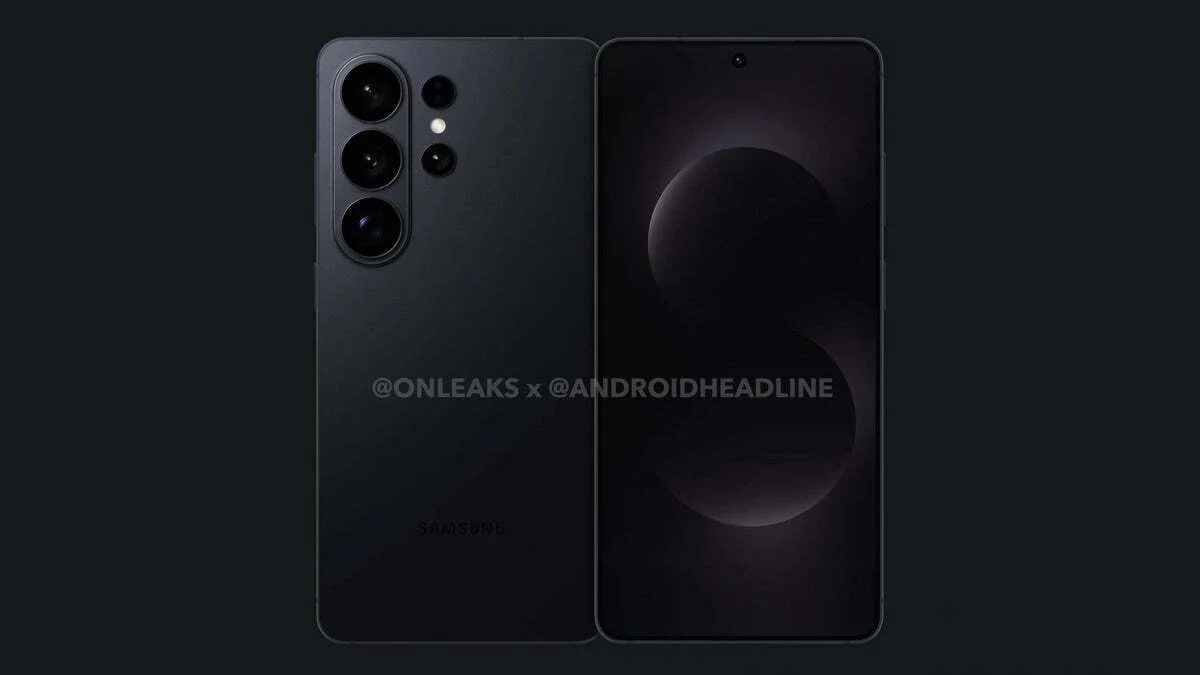
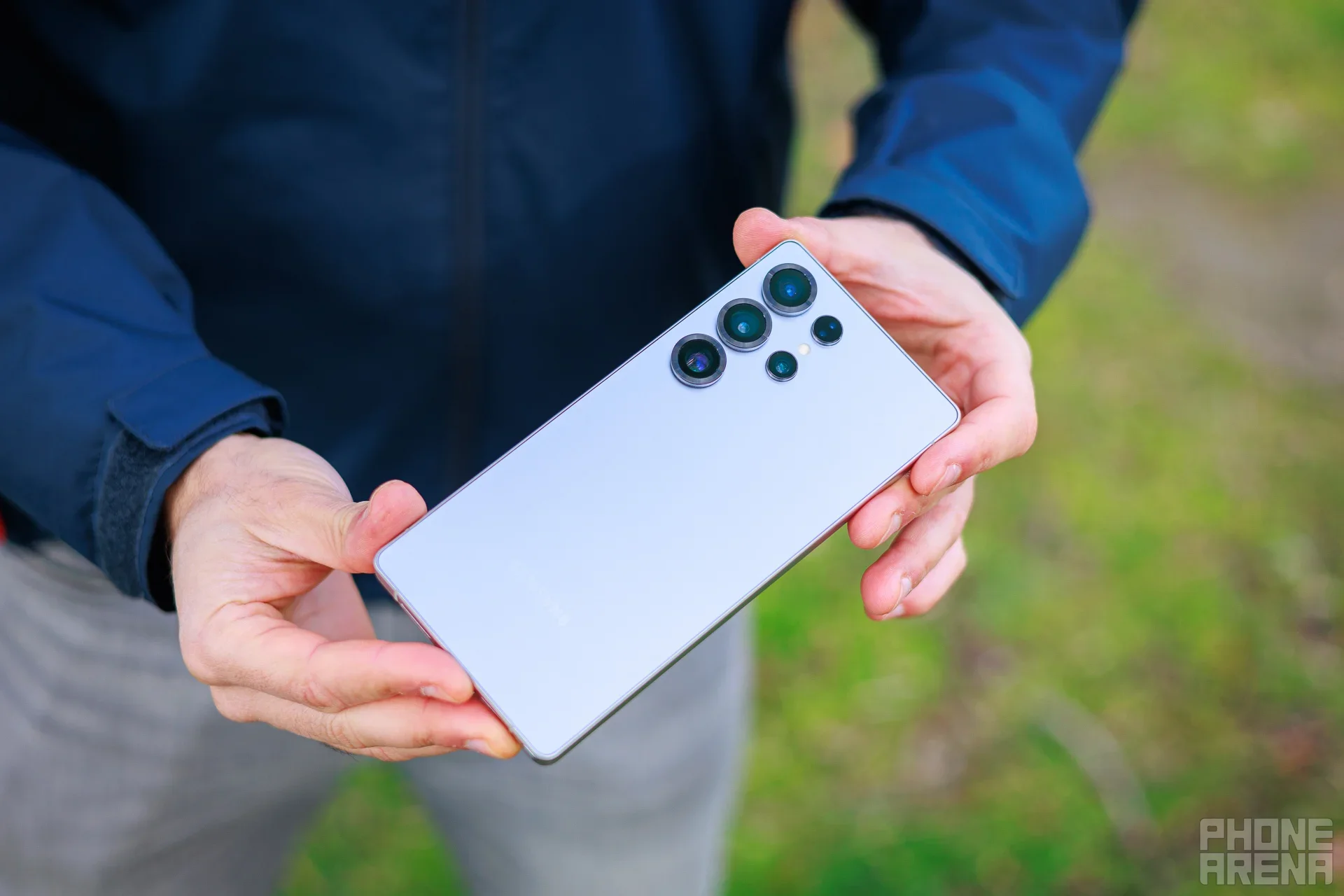
I honestly gave the new iPhone 17 Pro a shot, but it lasted barely a day in my pocket before I found myself reaching for the iPhone Air again — like shedding a heavy backpack after a tough hike.
What struck me most was a physical, almost instinctive reaction when handling the 17 Pro. Despite its superior specs, it simply didn't feel right. It was technically advanced yet somehow less enjoyable to use.
This led me to explore these perceptions more deeply, and even to check if there was scientific reasoning behind the discomfort my body signaled.
The Sensory Experience
To capture the difference between the Air and the 17 Pro, I searched for the perfect analogy. Picture the Air as a smooth, effortless glider defying gravity, while the Pro feels more like a heavy anchor pulling you down.
Holding the Air feels light and airy — it's surprising how featherweight it is for something so large. This "visceral" delight seems rooted in my brain’s expectations being confounded; I pick up a big phone but it weighs much less than anticipated.
Intrigued by this, I asked AI to quantify the sensation by calculating the torque on the wrist created by the dimensions and weight differences between the iPhone 17 Air and the Pro. The findings were revealing.
The Science Behind the Feel
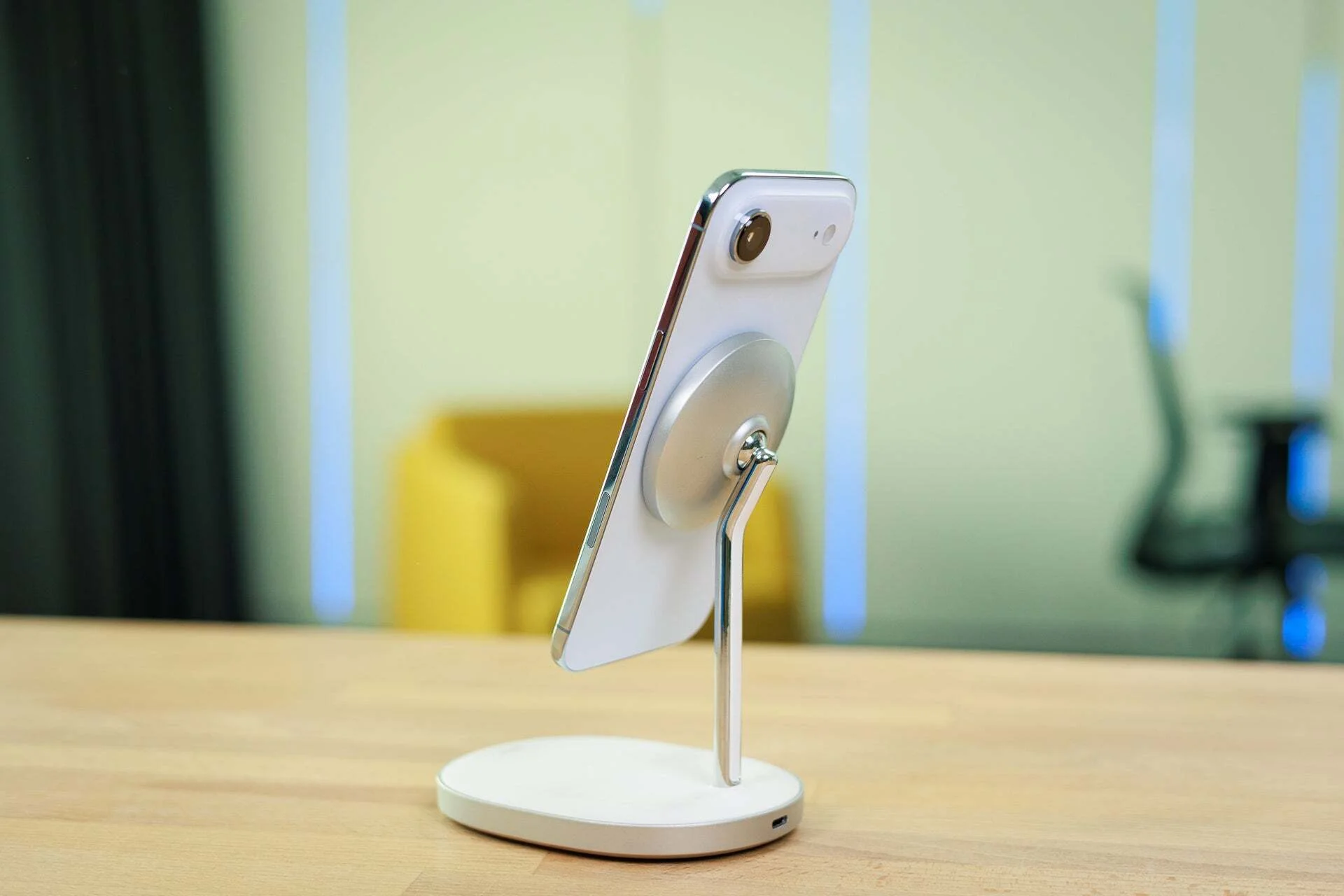
A surprising truth emerges: even though the Air and Pro differ by just about 40 grams, the way this weight interacts with your wrist creates a dramatic difference in perceived comfort.
1. Torque on Your Wrist: The “Pinky Tax”
Holding your phone commonly involves resting its bottom edge on your pinky, which acts as a pivot point, turning the device into a lever. This generates rotational force, or torque, that fatigues your wrist over time. The iPhone 17 Pro produces about 20% more torque than the Air, making it noticeably heavier in practical use despite the small weight difference.
2. The Illusion of Density: "Visual Density"
Our brains estimate weight by size—more surface area suggests more heft. The iPhone 17 Pro packs 206g into a smaller 6.3" frame, while the iPhone 17 Air spreads 165g over a larger 6.5" body. The Pro's nearly 35% higher "areal density" misaligns with expectations, causing it to feel surprisingly dense, almost like a "dead weight." The Air, lighter than expected for its size, toys with our perception in a positively surprising way.
3. Grip Comfort and Muscle Fatigue
The Pro’s shape demands a more open, active grip with fingers held tense, unlike the Air’s more relaxed hold. This subtle muscle extension over prolonged use can cause real exhaustion, explaining why the Pro felt far less comfortable than its numbers suggested.
So, what felt like a gut reaction to me actually has a solid basis in physics and ergonomics — a reduction in static wrist load is far from trivial.
While the Pro's improvements like camera technology engage your intellect, the Air delivers benefits straight to your nervous system and senses.
Final Thoughts
I convinced myself that I needed the iPhone Pro’s advanced cameras, but after carrying it for just a day, comfort emerged as the clear winner. Once your nervous system adapts to the Air’s lightness, switching back to the Pro feels like trading in modern tech for something archaic — heavy, bulky, and outdated.
Although Apple currently doesn’t offer an Air in the iPhone 17 lineup, rumors hint at the iPhone Air 2 arriving in fall 2027 alongside new iPhone 18 and iPhone 17E models. Advancements like the awaited 2nm chip and possibly bigger batteries could position the Air as the new gold standard in comfort and efficiency, attracting users who prioritize feel just as much as features.