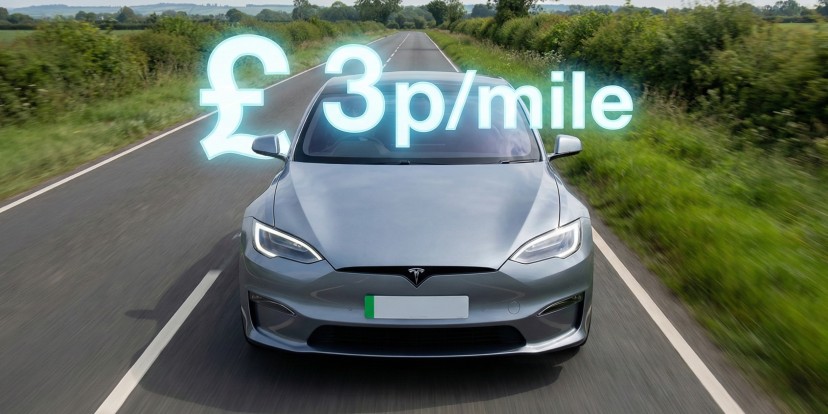
The UK government has announced a new per-mile road tax for drivers of zero- and low-emission vehicles, set to take effect in April 2028. This measure aims to offset lost revenue from fuel duty as more motorists transition from petrol and diesel cars to electric vehicles.
Under the proposed system, battery electric vehicle (BEV) drivers will be charged 3 pence per mile, while plug-in hybrid electric vehicle (PHEV) drivers will pay 1.5 pence per mile. These rates will be adjusted annually to account for inflation. Based on the average annual mileage of 24,140 km, electric car owners are expected to pay approximately €528 in the 2028–2029 financial year. The government states this is about half the fuel duty cost incurred by petrol and diesel drivers covering the same distance.
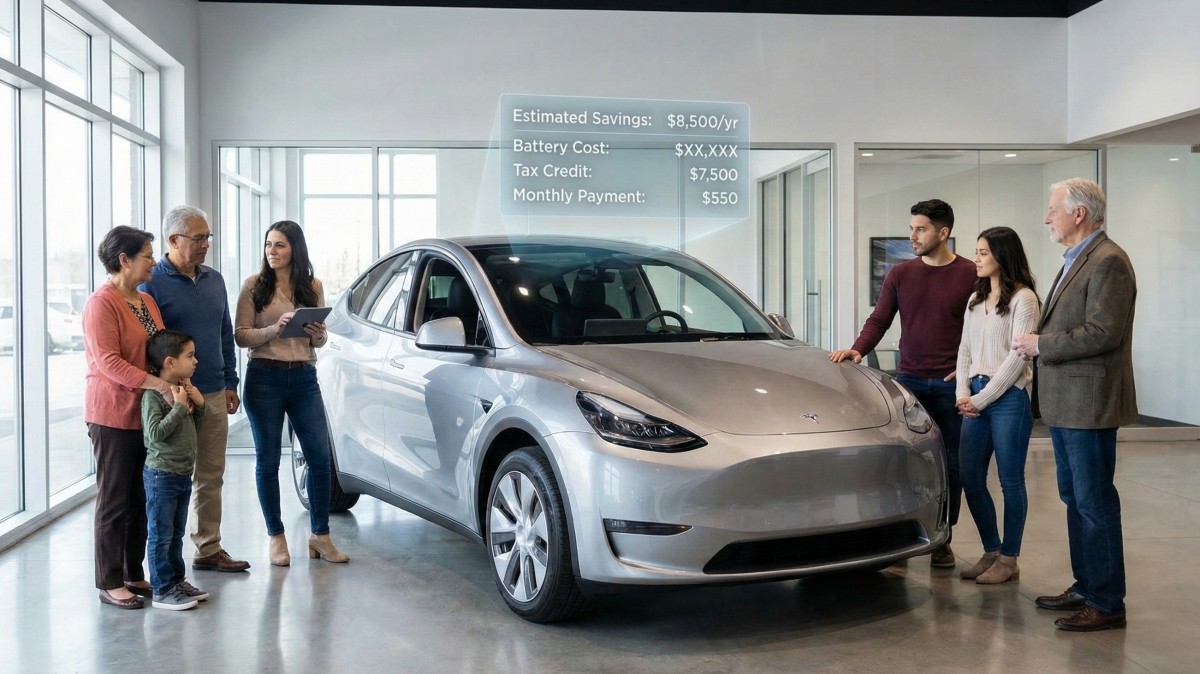
The announcement received mixed reactions from the automotive sector. Ford described the plan as sending "a confusing message" regarding government efforts to encourage electric vehicle adoption. The Society of Motor Manufacturers and Traders (SMMT) acknowledged the budget's new investments but warned the per-mile charge might suppress demand.
The Renewable Energy Association criticized the tax as a "knee-jerk" response. The Office for Budget Responsibility (OBR) predicts the new tax could reduce electric vehicle sales by around 440,000 over the next five years due to increased ownership costs.
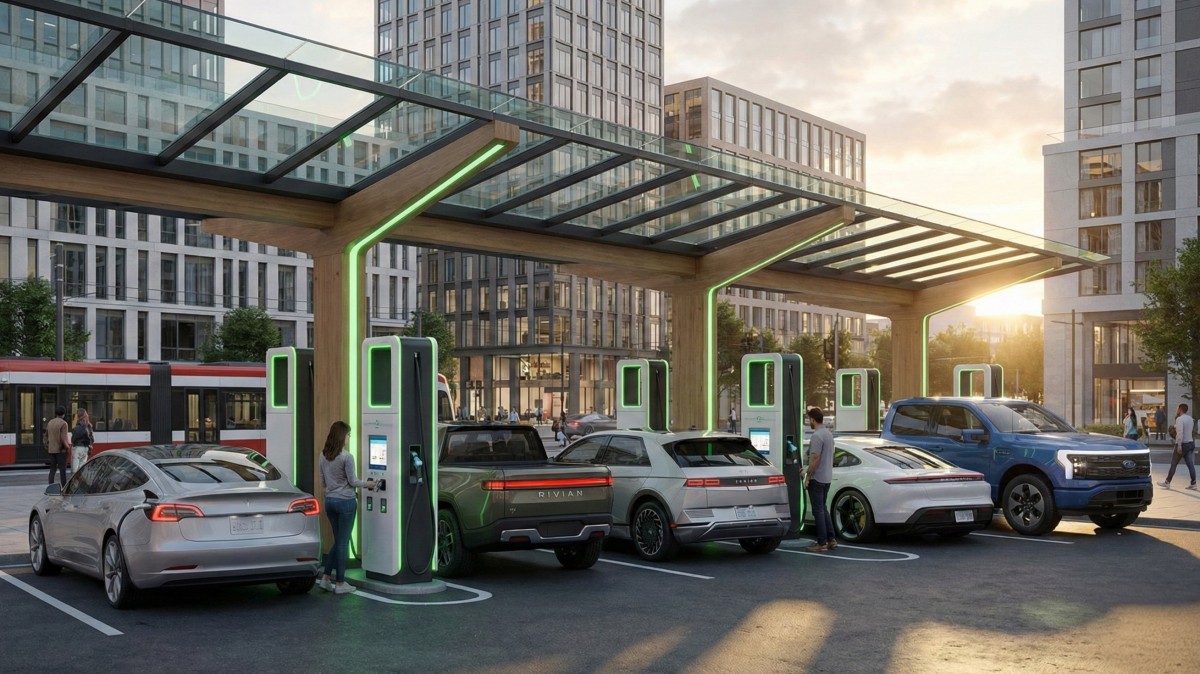
To mitigate this impact, the government pledged an additional €1.52 billion to extend the Electric Car Grant until 2030, supporting new electric vehicle purchases. Furthermore, €235 million has been allocated to enhancing charging infrastructure, addressing a key concern for potential buyers.
The threshold for the Vehicle Excise Duty (VED) 'expensive car supplement' for electric vehicles will rise from €47,000 to €59,000, with the potential for an annual tax of €727. The OBR estimates that other fiscal measures may offset lost sales by about 320,000 units. However, with an average electric car price exceeding €59,000 and annual mileage around 24,140 km, owners could face tax bills reaching €1,250 yearly for owning a “green” vehicle.
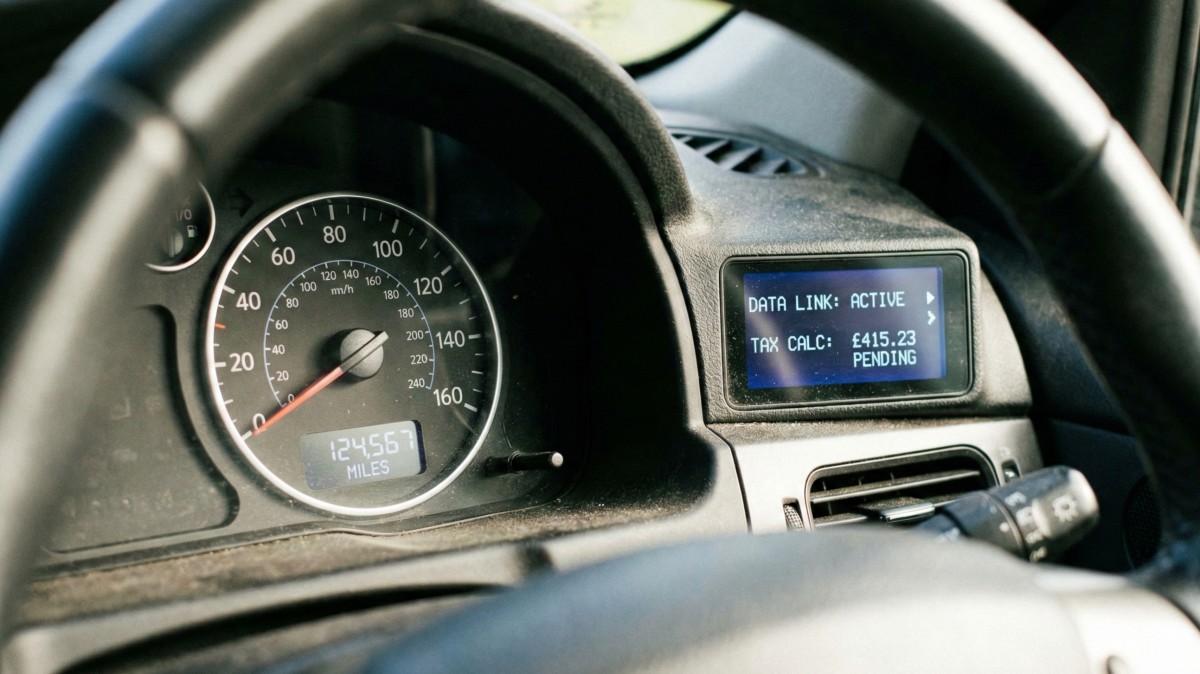
A significant challenge lies in tracking mileage. The government plans to verify odometer readings during annual MOT inspections or near the vehicle’s first and second registration anniversaries. Tax payments will be integrated into the existing VED system managed by the Driver and Vehicle Licensing Agency (DVLA).
The Treasury acknowledges the risk of odometer tampering and is exploring ways to prevent it. This raises concerns about whether more advanced and potentially intrusive tracking technologies might be required in the future. Currently, a public consultation is underway to determine fair and effective implementation methods.
Industry experts note that the per-mile tax will disproportionately affect some drivers. Those relying on public charging—typically taxed higher than home charging—may face greater expenses. Delvin Lane, CEO of charging company InstaVolt, highlighted the impact on rural drivers and lower-income individuals without access to home charging facilities.
With the 2030 ban on new petrol and diesel car sales approaching, the government faces the challenge of balancing road maintenance funding with maintaining momentum in the transition to electric vehicles. Critics argue this tax scheme targets responsible drivers attempting to reduce carbon emissions.
Via