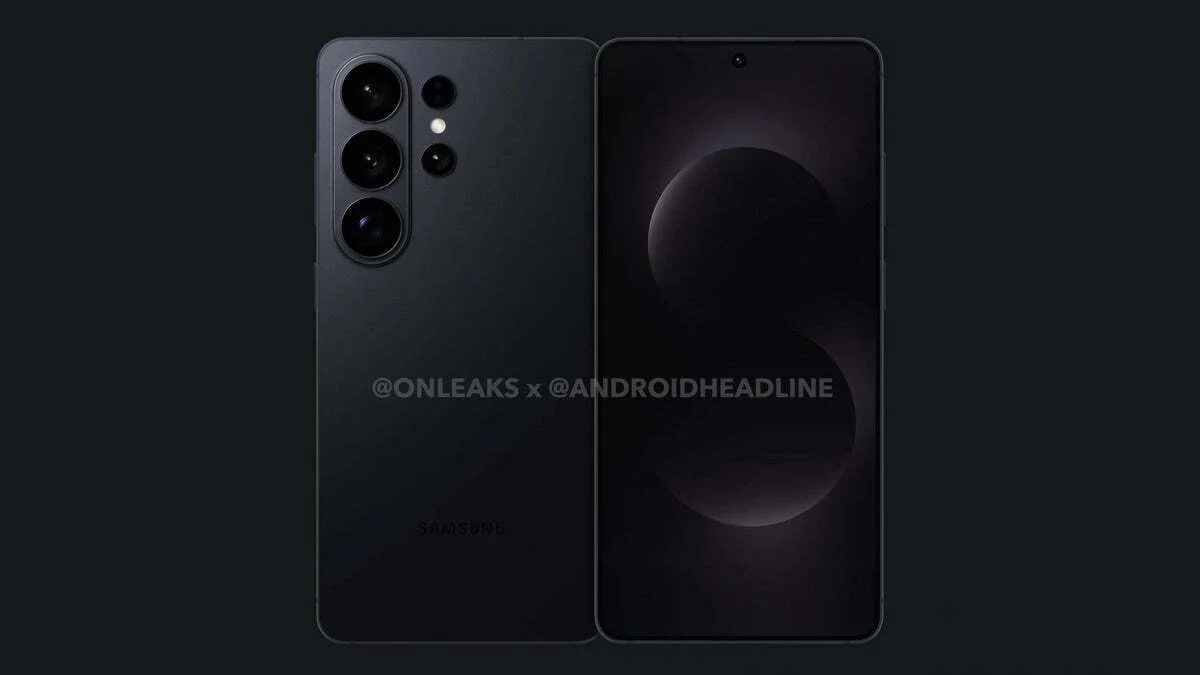
Xiaomi 17 Ultra to Launch with a Reduced Camera Setup
The upcoming Xiaomi 17 Ultra is expected to be released sooner than anticipated, but with a notable change in its camera configuration that might surprise many fans. While previous models, like the Xiaomi 15 Ultra, featured a robust quad-camera system, the latest leaks indicate a downgrade to a triple-camera setup accompanied by a special sensor instead of a fourth camera.
Fewer Cameras, But Still Powerful
The Xiaomi 15 Ultra was equipped with four rear cameras, including two telephoto lenses. However, according to insider information shared by Xiaomitime, the Xiaomi 17 Ultra will come with only three cameras on the back. The fourth slot in the camera module will be occupied by a special non-camera sensor, signaling a shift in the device’s photography approach.
- Main Camera: 50MP Omnivision OVX10500U
- Telephoto Camera: 200MP Samsung ISOCELL S5KHPE
- Ultra-wide Camera: 50MP Omnivision OV50M or Samsung ISOCELL S5KJN5
Design and Camera Module Details
Shared by Kacper Skrzypek on X, the leaked images reveal a circular rear camera arrangement that accommodates three lenses alongside a dedicated space for the unique sensor. This design appears similar to its predecessor but signals a focus on refining camera quality over quantity.
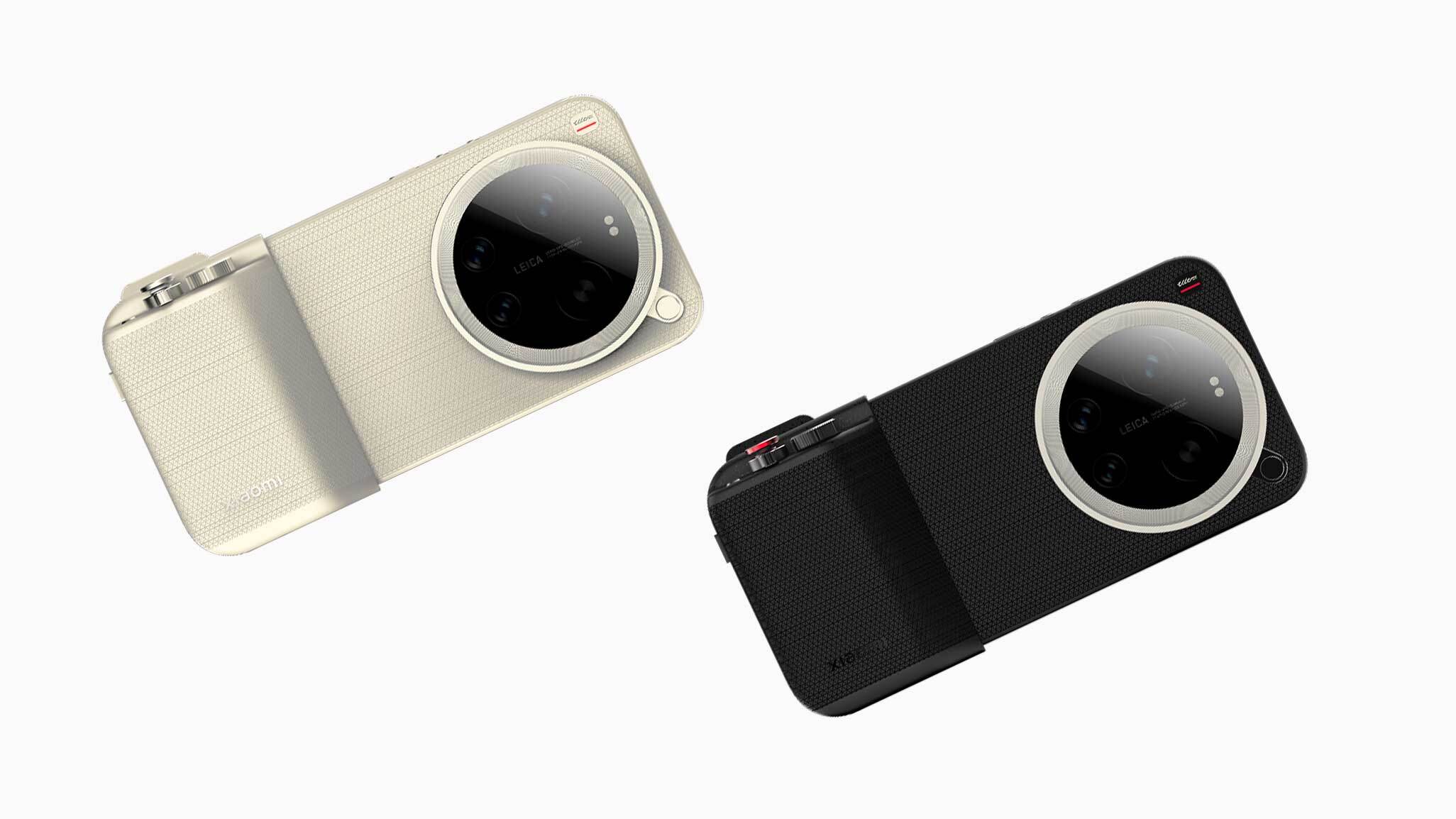
The leaked Photography Kit of the Xiaomi 17 Ultra. | Image credit – Kacper Skrzypek/PhoneArena
Community Preferences and Industry Trends
In a recent poll, 61.54% of participants expressed a preference for fewer lenses provided the image quality remains comparable. Meanwhile, competing devices such as the Vivo X300 Ultra are also rumored to adopt triple-camera setups, hinting at a broader industry shift toward higher-quality sensors rather than sheer camera count.
- I prefer more lenses, regardless of the quality – 23.08%
- Fewer lenses, but only if the quality is similar – 61.54%
- Fewer lenses, regardless of the quality – 15.38%
Total votes: 13
Focus on Camera Quality
Ultimately, Xiaomi’s strategy with the 17 Ultra appears to prioritize sensor quality and photographic innovation over expanding the number of camera lenses. This approach aligns with current market trends where image performance is becoming increasingly important for flagship smartphones.