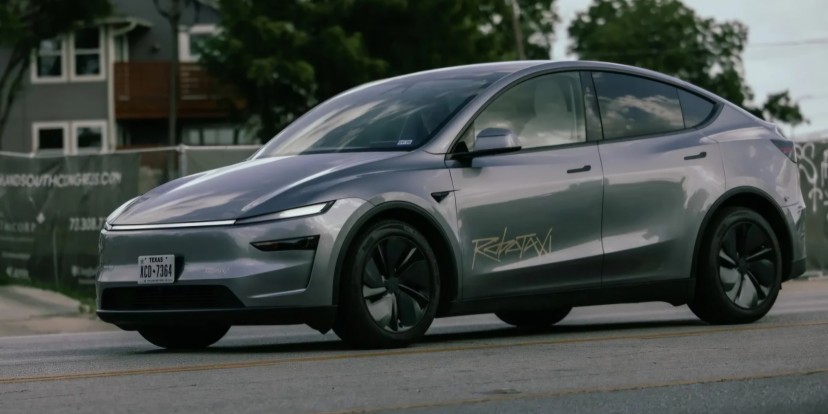
Elon Musk recently announced that Tesla plans to "roughly double" the size of its Robotaxi pilot fleet in Austin, Texas, next month. While this sounds promising for users struggling to hail one of these electric taxis, a closer examination reveals that Tesla is falling far short of its ambitious year-end targets.
The Tesla Robotaxi pilot has been operating in Austin for several months, utilizing modified Model Y electric vehicles. The service officially launched in June. These vehicles are equipped with Tesla's latest Hardware 4 platform but are not yet fully autonomous. The pilot remains "supervised," requiring a Tesla employee to sit in the front seat to monitor the system and be ready to intervene via a killswitch in case of emergencies.
The Tesla Robotaxi fleet in Austin should roughly double next month
— Elon Musk (@elonmusk) November 26, 2025
Just weeks ago, Elon Musk clearly stated during an October 31 appearance on the All-In Podcast that Tesla aimed to operate "500 or more" Robotaxi vehicles in the greater Austin area by the end of the year.
However, the current fleet comprises only about 30 Model Ys. Even with the planned doubling next month, the total will reach approximately 60 vehicles—an 88% shortfall from the promised 500. This substantial gap underscores another missed milestone for Tesla’s autonomous driving ambitions, raising concerns among analysts and investors.
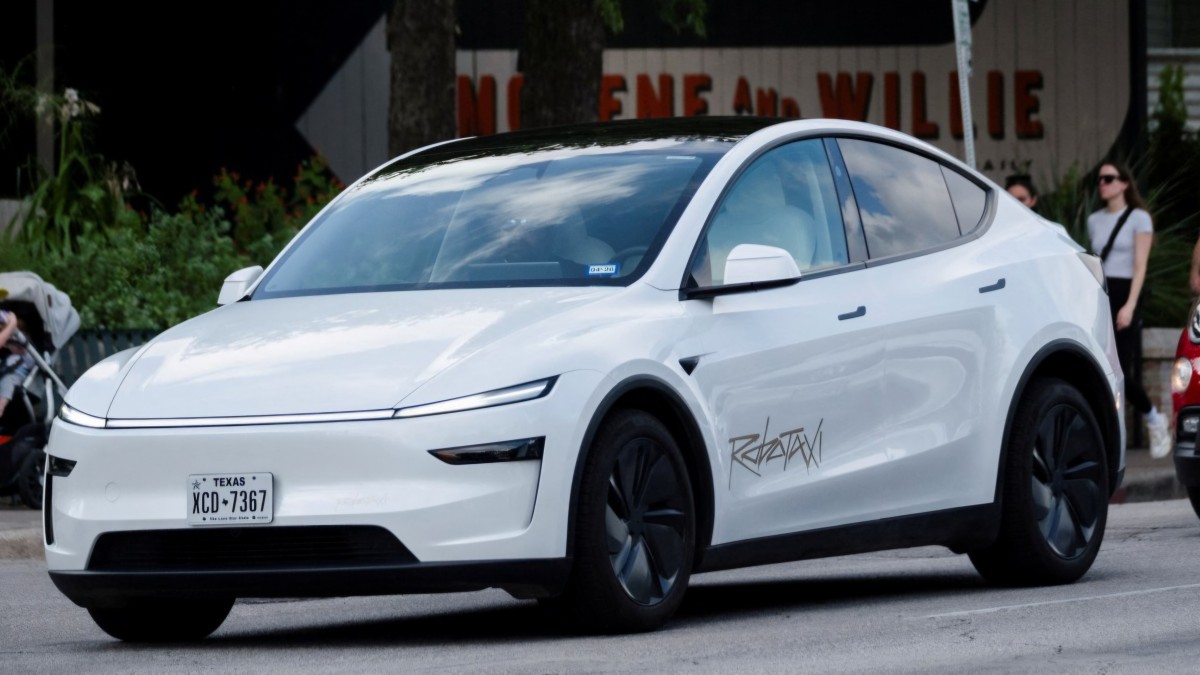
Austin residents attempting to use the service face significant challenges due to the limited fleet size. The app frequently displays a "High Service Demand" alert, with wait times often exceeding 40 minutes, making the service impractical for quick trips. The slow expansion likely stems from the necessity of a human supervisor in every vehicle.
Scaling to 500 Robotaxis would require Tesla to employ over a thousand human supervisors across multiple shifts. This transforms what was expected to be a primarily software challenge into a substantial human resources burden. Moreover, the pilot program has reported seven crashes within its first few months, amplifying the need for human oversight and slowing fleet growth.
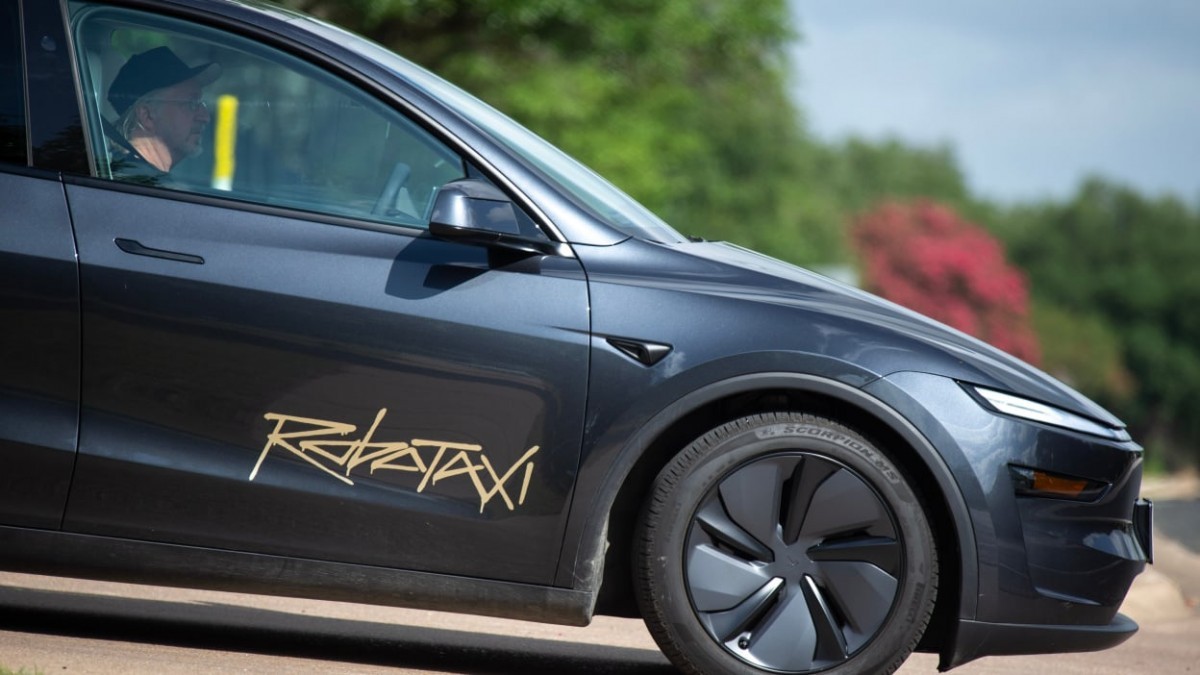
The slow rollout becomes even more apparent when compared to competitors. Earlier this month, Waymo announced it operates 2,500 active robotaxis across the U.S., including roughly 200 fully driverless vehicles in Austin alone. Despite this, Musk dismissed Waymo's fleet size as "rookie numbers." However, Waymo's Austin fleet is already three to four times larger than Tesla’s projected 60-vehicle expansion and operates without human safety drivers, highlighting a fundamental difference in approach and capability.
Source