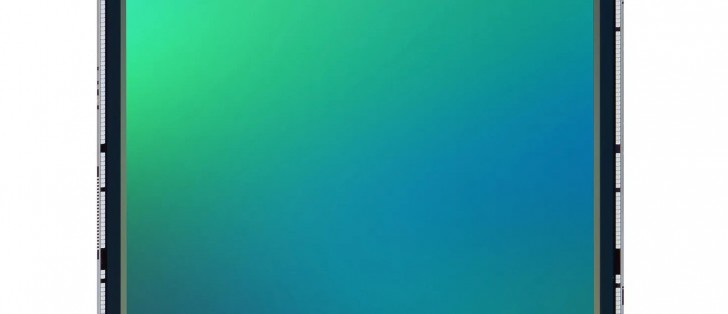
Sony has officially introduced its highly anticipated Lytia 901 sensor, marking its entry into the 200MP smartphone camera market and positioning itself against Samsung’s 200MP sensors.
The Lytia 901 features a 1/1.12" sensor size with a 14.287mm diagonal and a pixel size of 0.7μm. It uses a Quad-Quad Bayer Coding (QQBC) array, grouping 4x4 adjacent pixels with the same color filter. These 16 pixels are processed as a single unit to produce 12.5MP images, delivering "high-definition image quality" even when using 4x in-sensor zoom.
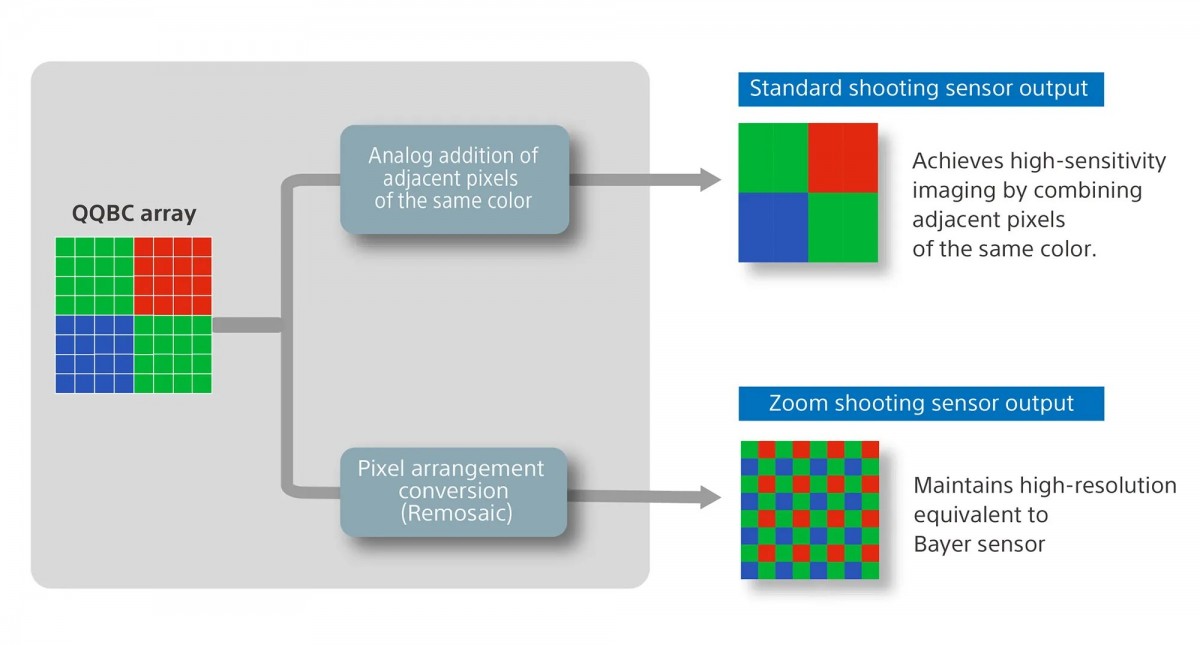
The sensor incorporates an industry-first AI-enhanced remosaicing process through a dedicated processing circuit inside the sensor. This technology converts clustered pixels back to a normal pixel array during in-sensor zoom, enabling superior detail reproduction of fine patterns and text. It also supports high-speed processing and can capture up to 30fps 4K video with 4x zoom.

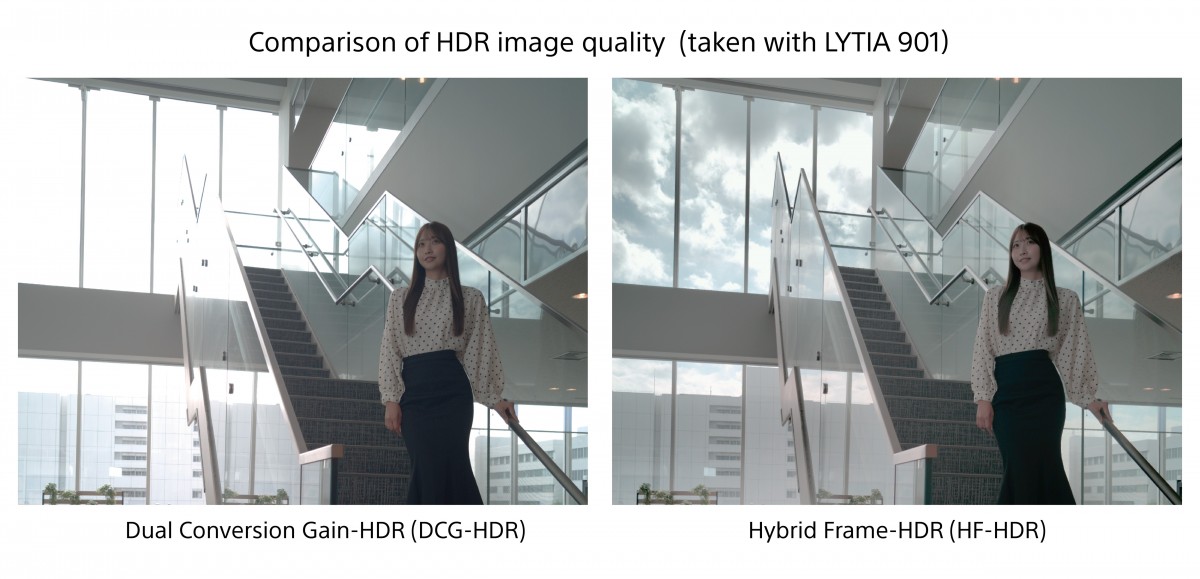
Thanks to advanced DCG-HDR and Fine12bit ADC technology—which increases quantization depth from 10 to 12 bits—the sensor offers impressive dynamic range and tonal accuracy throughout the entire 4x zoom. The Hybrid Frame HDR (HF-HDR) mode delivers over 100dB dynamic range in QQBC mode, significantly reducing highlight blowouts and dark area blackouts for images that closely mimic human vision.
Video capabilities include 8K recording at 30fps, 4K at 120fps, 60fps burst shooting at 12.5MP, 30fps at 50MP, and 10fps at full 200MP resolution. According to rumors, Oppo’s Find X9 Ultra and vivo’s X300 Ultra will feature the Lytia 901 sensor, with other manufacturers expected to adopt it as well. The sensor is set to ship to OEMs starting this month.
Source