Apple has reportedly overcome a major challenge by eliminating the crease on its upcoming iPhone Fold. According to a report from Chinese website UDN, the device has now advanced to the engineering verification and pre-production (EVT) phase. This milestone follows the development of initial prototypes and marks progress towards a foldable device that closely resembles the final product in both design and function.
Apple Plans Production of 100 Units for EVT Testing
Typically, around 100 units are manufactured during EVT testing to ensure components perform correctly and the design is robust. Engineers verify the electronic integrity and assess whether the device is suitable for mass production. The removal of the screen crease is expected to be a key selling point for Apple’s first foldable iPhone, rumored to debut next year under the name iPhone Ultra.
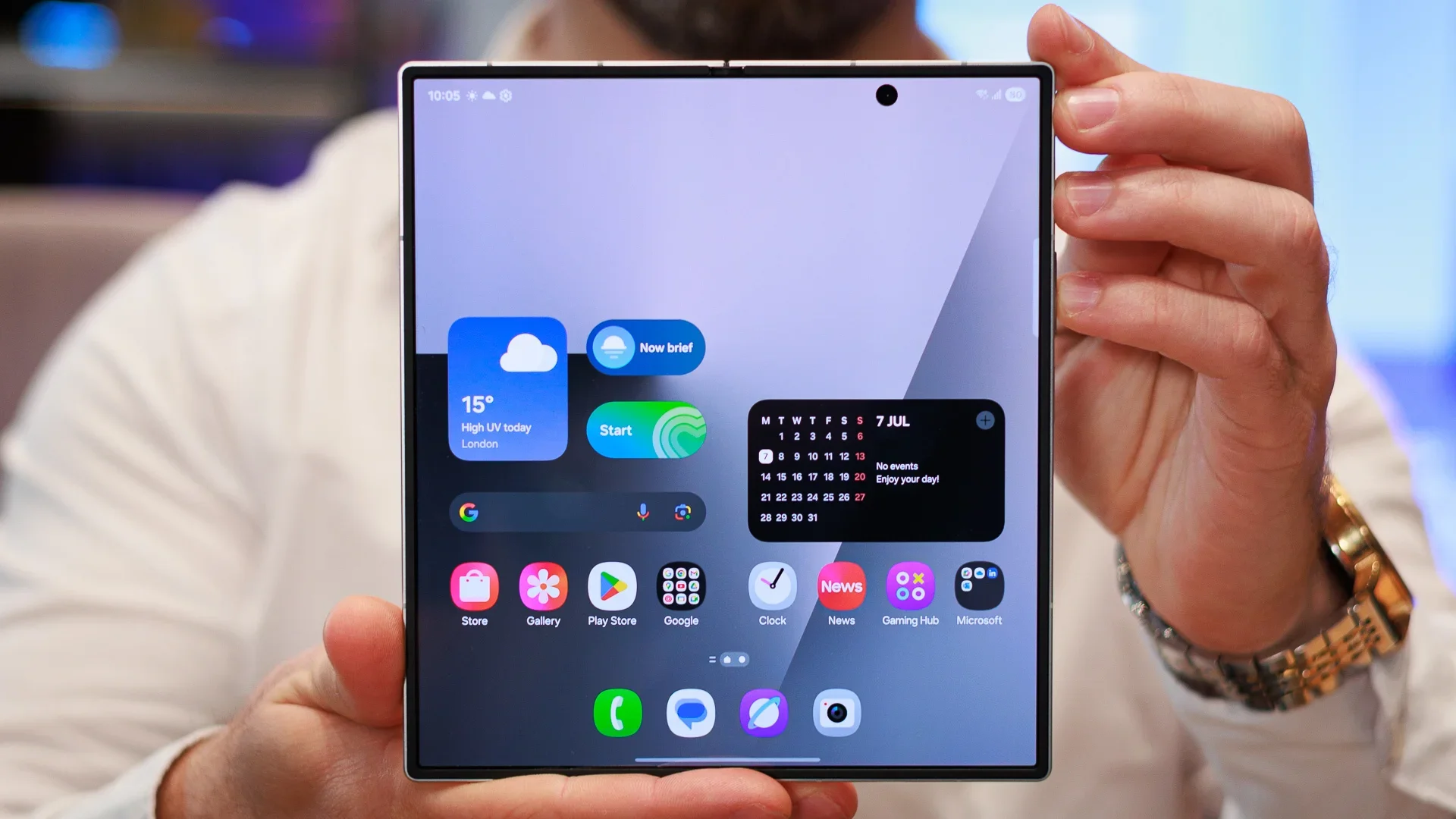
The foldable's internal display will be produced by Samsung, while Apple is responsible for the panel's structure, material processing, and lamination techniques. This collaboration aims to eliminate the visible crease typically seen on foldable phones. Foxconn has established a dedicated production line to assemble the device, and key suppliers like Largan Precision are expected to contribute components.
Suppliers Prepare for Mass Production of the Foldable iPhone
The iPhone Fold is rumored to use hybrid glass and plastic lenses for its rear cameras, with Largan Precision likely supplying these camera components. Another crucial part, the hinge — known as one of the most intricate and costly elements of foldable devices — may come from supplier Shin Zu Shing.
Consumer Poll: Would You Purchase the iPhone Fold?
The first foldable iPhone is expected to attract significant attention. If Apple succeeds in delivering a crease-free screen, it could redefine expectations for the foldable segment, where many manufacturers have struggled to perfect this feature.
The iPhone Fold May Be Apple's Priciest Phone Yet
Those considering the iPhone Fold for next year should prepare for a premium price. Analyst estimates using supply chain data and Apple’s margin targets suggest a potential retail price of around $2,399. Despite this, it’s unlikely Apple will market the device as the "most expensive iPhone" in its advertising.

Many experts have predicted that the foldable smartphone market will only become mainstream once Apple enters the scene. With its debut expected soon, Apple’s impact on the foldable market could be significant—depending on production volumes, exclusivity of features, and whether this will become an annual product line.
Recent market shifts saw Huawei leading foldable shipments worldwide, followed by Motorola and Samsung. Other players include Honor, Oppo, Vivo, Xiaomi, Google, OnePlus, and TCL with their concept foldables. With the iPhone Fold set to launch next year, the competition landscape may soon shift once again.
Stay tuned for updates as Apple steps into the foldable smartphone arena.