Verizon has voiced concerns over T-Mobile’s newly launched “15 Minutes to Better” switching feature, which aims to streamline the process of switching carriers. In a detailed blog post, Verizon outlines what it perceives as significant pitfalls in T-Mobile’s approach, contrasting it with its own more cautious and managed switching process designed to protect customers.
Verizon Emphasizes a More Secure and Managed Switching Experience
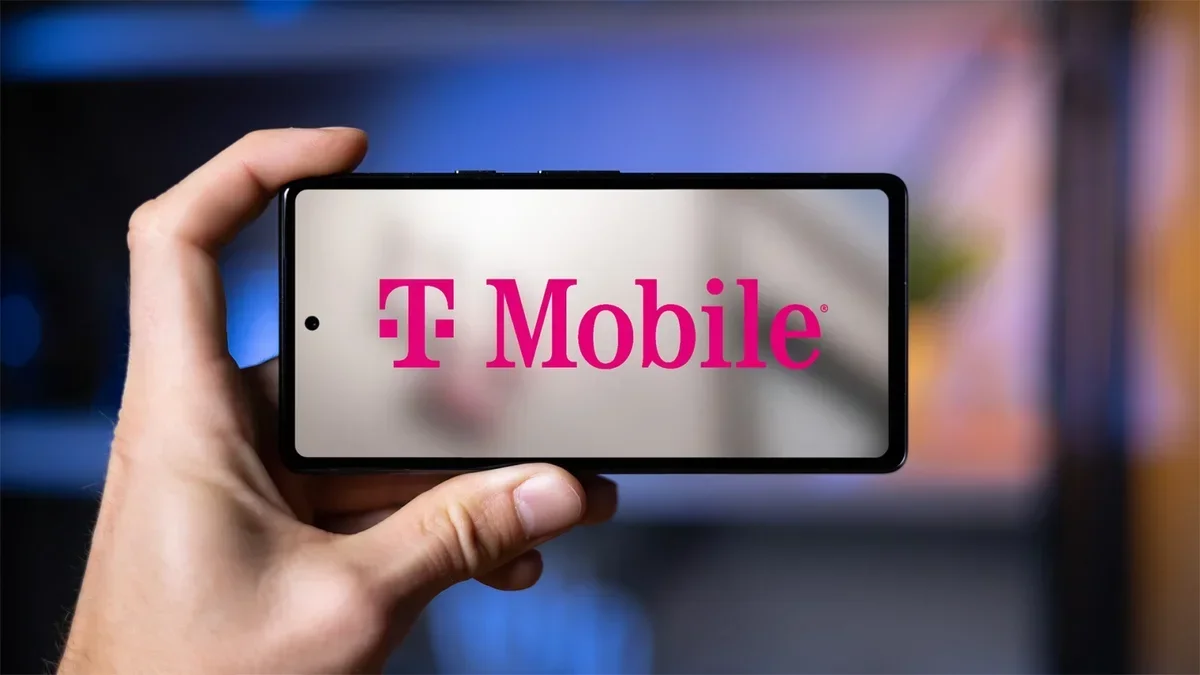
T-Mobile recently introduced an AI-driven feature in its T-Life app that enables AT&T and Verizon customers to transfer their service to T-Mobile within 15 minutes, with no immediate pressure to purchase a new phone. Additionally, T-Mobile now offers same-day phone delivery through a partnership with DoorDash Drive.
Verizon, however, argues that these conveniences come at a cost. It criticizes the automatic login capabilities of the T-Life app that accesses rival carrier accounts, as well as the reliance on AI to select plans, pointing to potential privacy, security, and suitability issues for customers. Verizon also raises concerns about DoorDash drivers, who as gig workers lack specialized telecom training and do not assist with phone setup, unlike Verizon’s trained delivery personnel.
While T-Mobile provides a 90-day period for switchers to purchase a new phone to avoid immediate pressure, Verizon suggests this tactic is primarily aimed at securing revenue from the start. Verizon offers customers instant switching options through its My Verizon app or Bring Your Own Device tools but implements an added layer of security by requiring a Number Transfer PIN and device IMEI to prevent unauthorized transfers.
Verizon prefers customers to upgrade their phones immediately during the switch, highlighting that this is when the most significant discounts are available. This contrasts with T-Mobile’s more relaxed approach but may be perceived as coercive by some customers.
In Verizon's own words, T-Mobile’s “15 Minutes to Better” is a clever marketing strategy that simplifies administrative steps, but leaves much of the setup and data migration burden on the customer. Verizon positions its switching experience as reliable and comprehensive.
Verizon, November 2025
Comparing Switching Systems: Speed Versus Completeness
According to Verizon, many customers value accuracy and thorough setup over speed and do not mind waiting a few hours to receive a properly configured phone. While some users—especially those less comfortable with technology—may need professional help, others may find T-Mobile’s fast, automated process appealing.
Verizon echoes valid concerns about allowing AI to select plans, which may not perfectly match individual needs. Moreover, permitting T-Mobile’s app to log into a competing carrier’s account raises privacy and security questions. Verizon stresses the importance of safeguards against unauthorized number porting, an ongoing industry challenge.
Interestingly, Verizon acknowledges it performs similar AI-driven plan selection in its physical stores but maintains that its processes are more controlled and transparent.
Reader Poll: Which Switching Experience Do You Prefer?
Current Votes:
- T-Mobile's fast switching: 11.11%
- Verizon's managed switching: 38.89%
- Both have shortcomings: 50%
Total votes: 18
Verizon Needs to Focus on Its Own Challenges
T-Mobile has recently surpassed Verizon in subscriber numbers, asserting dominance in the market with its focus on frictionless switching. Verizon, meanwhile, has initiated leadership changes intending a transformation, but so far these have primarily resulted in layoffs which risk alienating customers.
Telecom consultant Brian Newman highlights that the industry traditionally relied on friction—such as complex contracts and activation hurdles—to deter customers from switching carriers. T-Mobile’s innovation is in making the switching process fast and easy, disrupting this norm.
Newman states, “From my time in network engineering and customer operations, I saw how long the industry relied on friction as a buffer. Contracts, retail workflows, complex activation steps. Now that these are gone, the competitive field shifts to the basics: price, performance, service quality, and experience.”
To remain competitive, Verizon would benefit more from improving its customer value proposition and simplifying its switching experience rather than solely critiquing T-Mobile’s features.