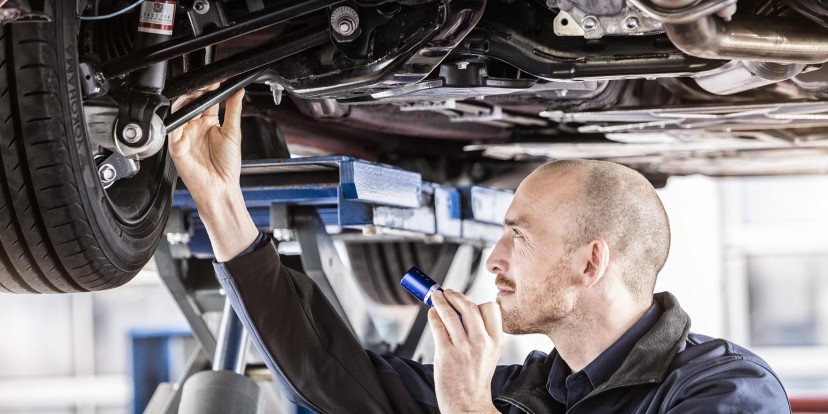
In Germany, the annual roadworthiness inspection, known as the Hauptuntersuchung, is a critical process. Conducted by the country's primary technical inspection authority, TÜV, this rigorous check evaluates millions of vehicles to ensure they are safe for the road and identifies those in need of urgent repairs.
The recently released 2026 TÜV Report examined 9.5 million inspections carried out between July 2024 and June 2025, revealing concerning trends: overall vehicle quality is declining. More than one in five cars—21.5 percent—failed the inspection due to significant or dangerous defects.
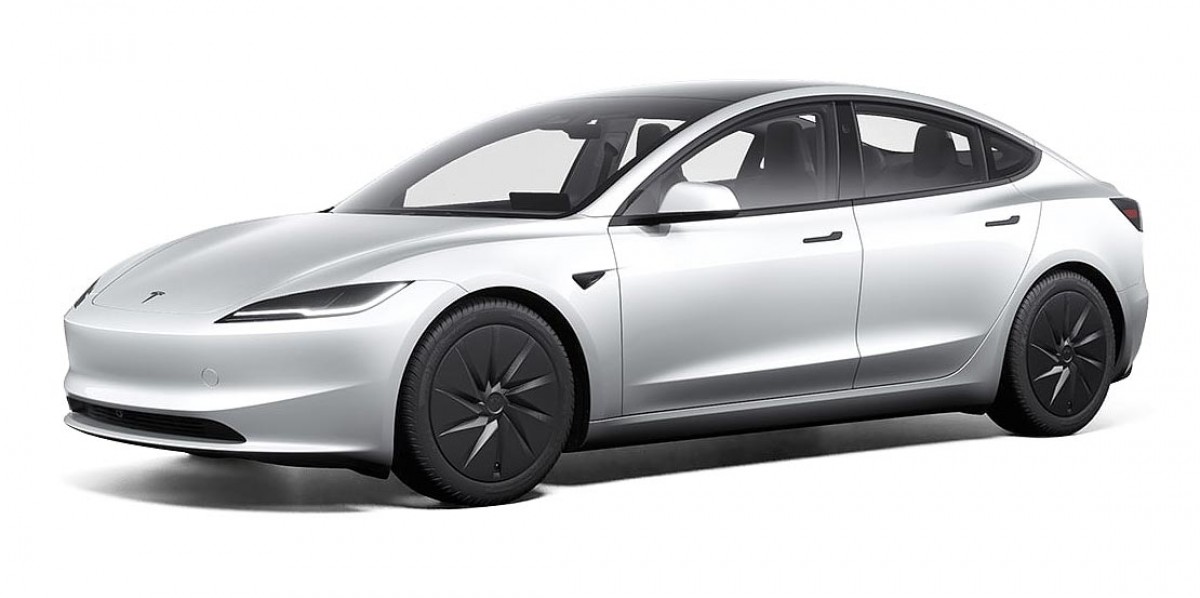
While reliability issues affected a wide range of vehicles across different brands and ages, one manufacturer repeatedly found itself under scrutiny. For the third consecutive year, Tesla models ranked at the bottom of the reliability table, exhibiting the highest mechanical failure rates. The Tesla Model 3, focusing on vehicles aged two to three years, recorded a defect rate of 13.1 percent, meaning roughly one in every 7.6 Model 3 EVs failed the safety inspection on the first attempt.
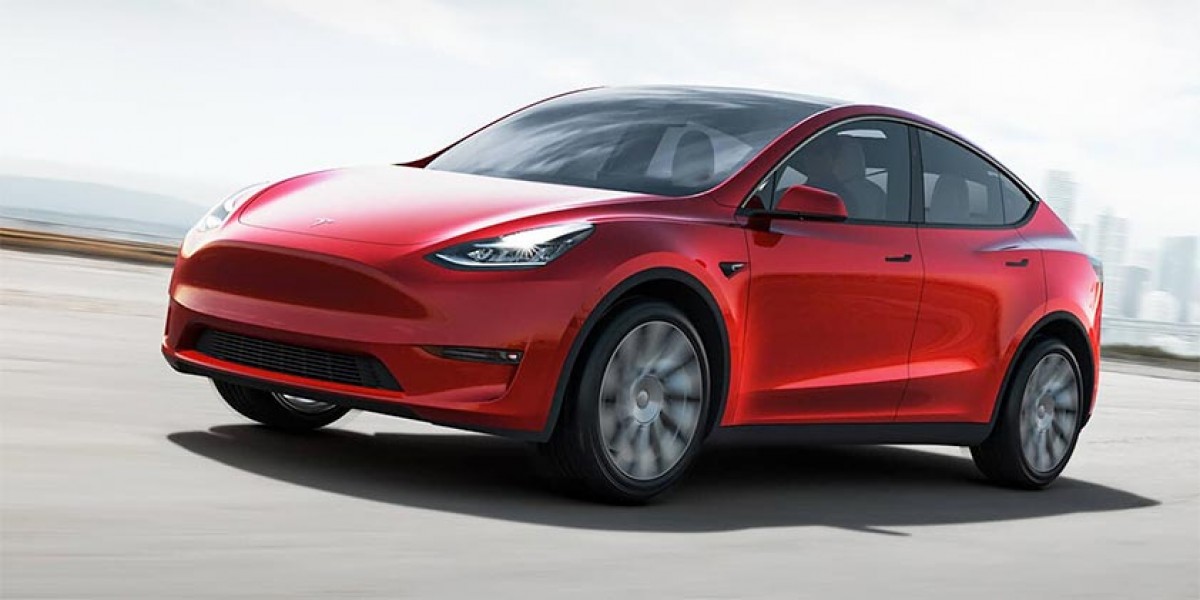
Conditions were even worse for the Model Y. Within the same age group, it posted a striking 17.3 percent defect rate—making it the worst-performing vehicle TÜV has recorded in this category over the past decade. The most frequent issues identified across Tesla’s lineup included problems with the axle assembly, suspension, brakes, and lighting systems.
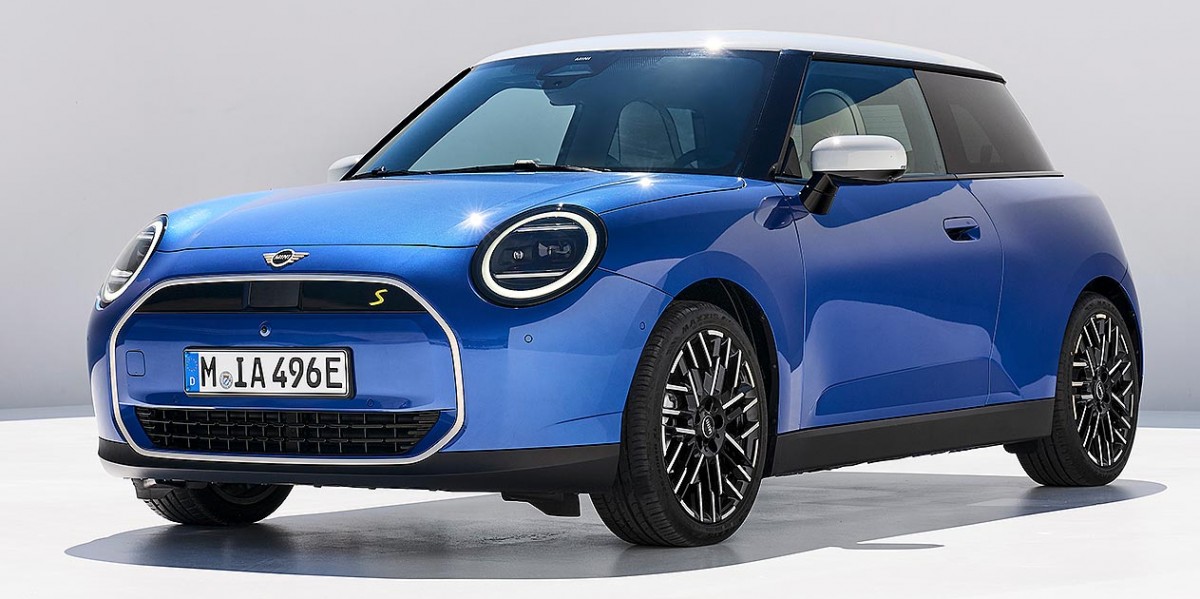
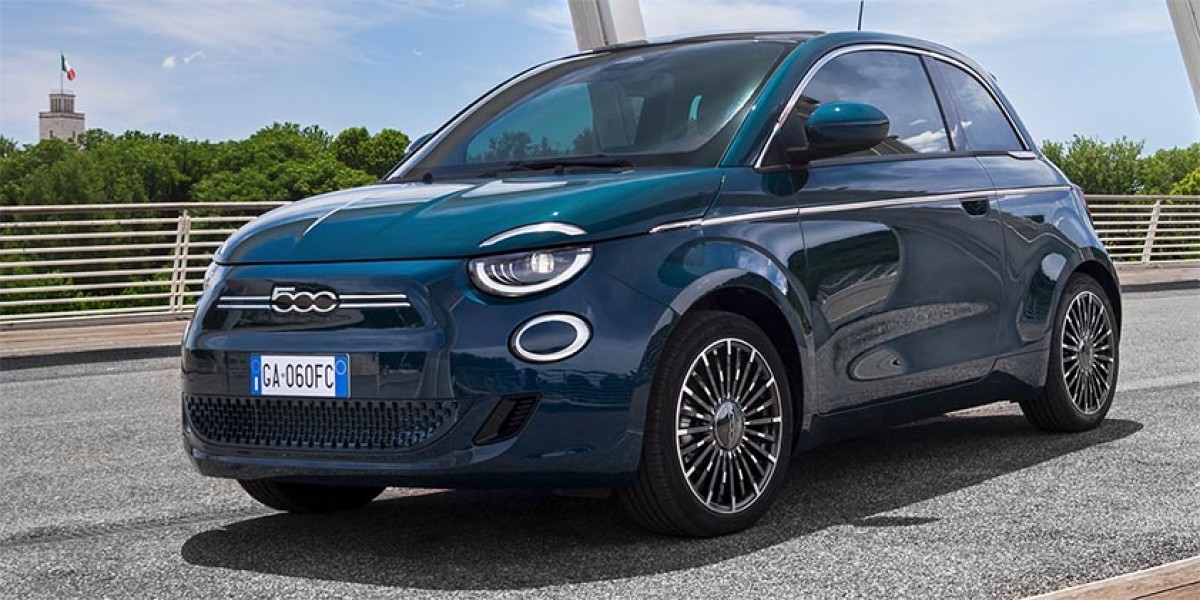
However, reliability challenges are not inherent to all electric vehicles. The data clearly demonstrates that many electric models maintain excellent quality. For example, in the two-to-three-year age bracket, the electric Mini Cooper SE showed a remarkably low defect rate of just 3.5 percent. Likewise, the Fiat 500e was the top performer in the small car category among nearly new vehicles, proving that electric mobility does not inevitably lead to costly repairs.
The report also found that minor defects are increasing, rising to 12.3 percent overall, indicating that owners are experiencing more mechanical issues across the board than in previous years.
For vehicles aged ten years and older, TÜV introduced a new Long-Term Quality award to recognize brands with the lowest average defect rates for safety-related faults in this category. Mercedes-Benz claimed the top spot, with an 18.5 percent defect rate among its oldest vehicles.
Audi followed closely with a 19.2 percent defect rate, while Toyota took third place at 22 percent. Notably, the defect rate for Mercedes-Benz vehicles over a decade old roughly equals the rate for a much newer Tesla Model Y.
While electric vehicles drew most scrutiny at the lower end of the rankings, the report also exposed reliability issues among several gasoline and diesel models. Poor performers in older vehicle categories included BMW’s 5-series and 6-series (four-to-five and eight-to-nine years old), the Dacia Duster (six-to-seven and ten-to-eleven years), and the Renault Clio (among vehicles aged 12 to 13 years).
The 2026 TÜV Report sends a clear message to buyers and current owners alike: regardless of whether you drive a combustion engine or an electric vehicle, the quality of your car’s components and the maintenance it receives remain more important than ever.
Source