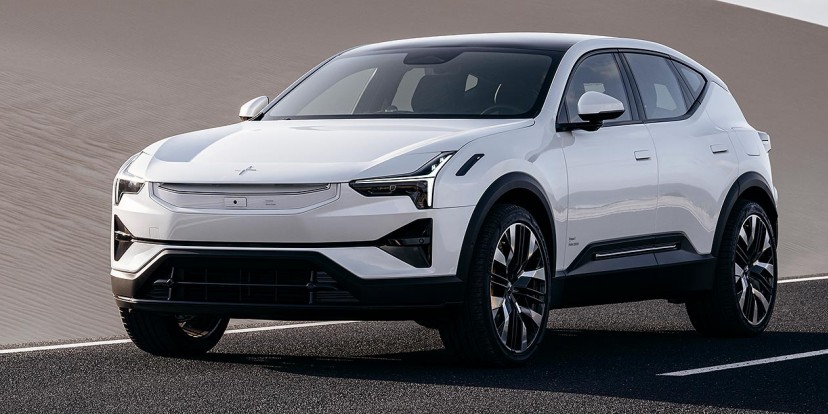
The latest results from the acclaimed Norwegian Automobile Federation (NAF) and Motor magazine's El Prix winter range test have been released. In a surprising outcome, the Polestar 3 claimed victory, achieving the second-best winter range ever recorded.
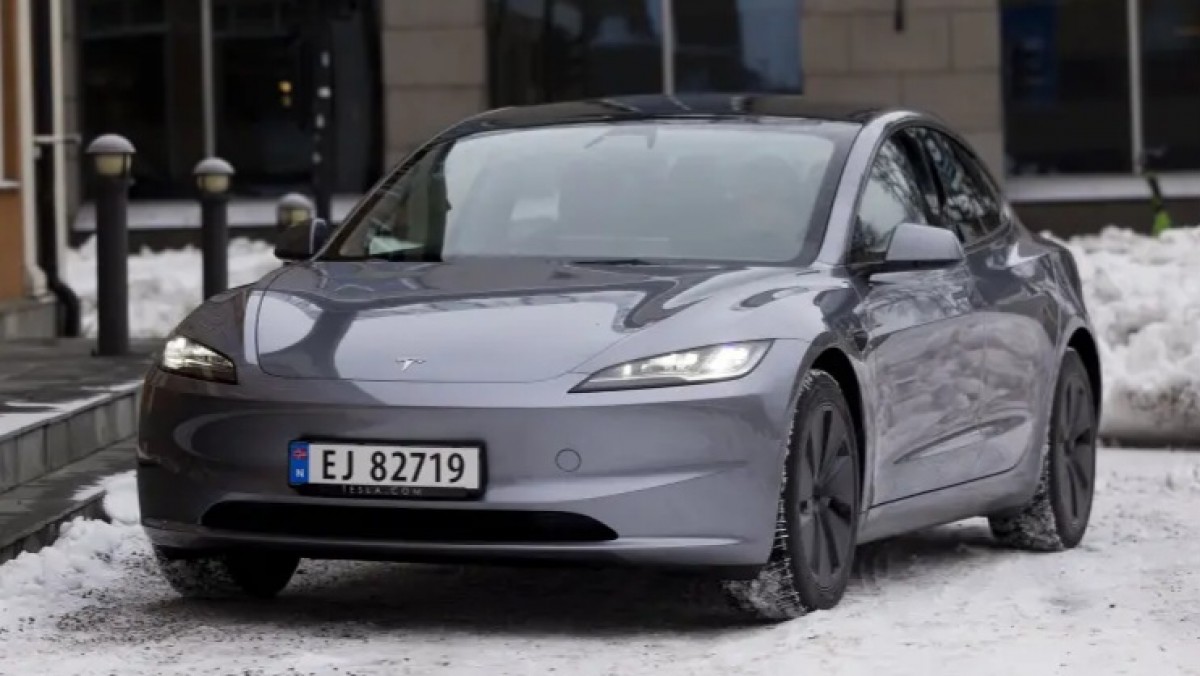
Previously a consistent frontrunner, Tesla entered this test with high expectations for its Model 3 LR RWD, which boasts a WLTP range of 436 miles. However, it fell 25% short of this rating during the winter assessment.
Conversely, the Polestar 3 exceeded expectations by covering an impressive 330 miles under challenging winter conditions, deviating only 5.18% from its WLTP rating of 349 miles.
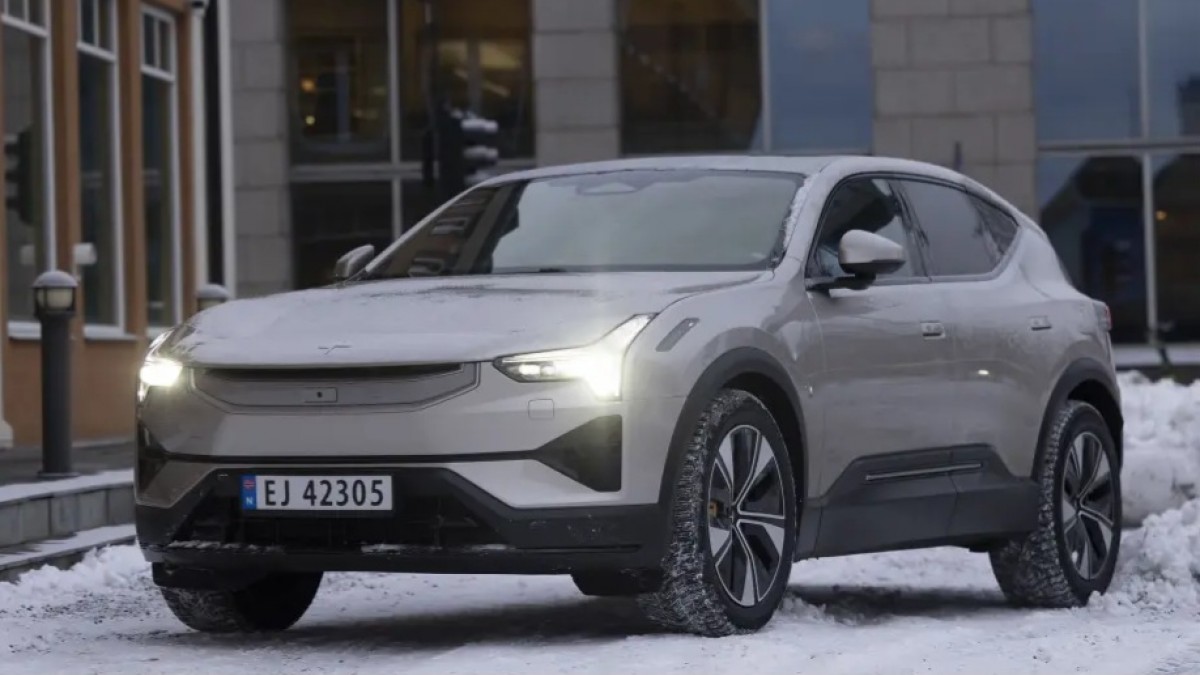
The test included some drama during final calculations. The Tesla Model 3 stopped after traveling 341 miles, initially making it appear the clear winner. However, the Polestar 3 stopped nearly 984 feet ahead, confirming it had covered 330 miles. Further review revealed that the Tesla Model 3’s odometer added roughly 2.9 miles every 62 miles traveled, introducing an almost 5% error. Accounting for this discrepancy, the Polestar 3 narrowly secured the top spot.
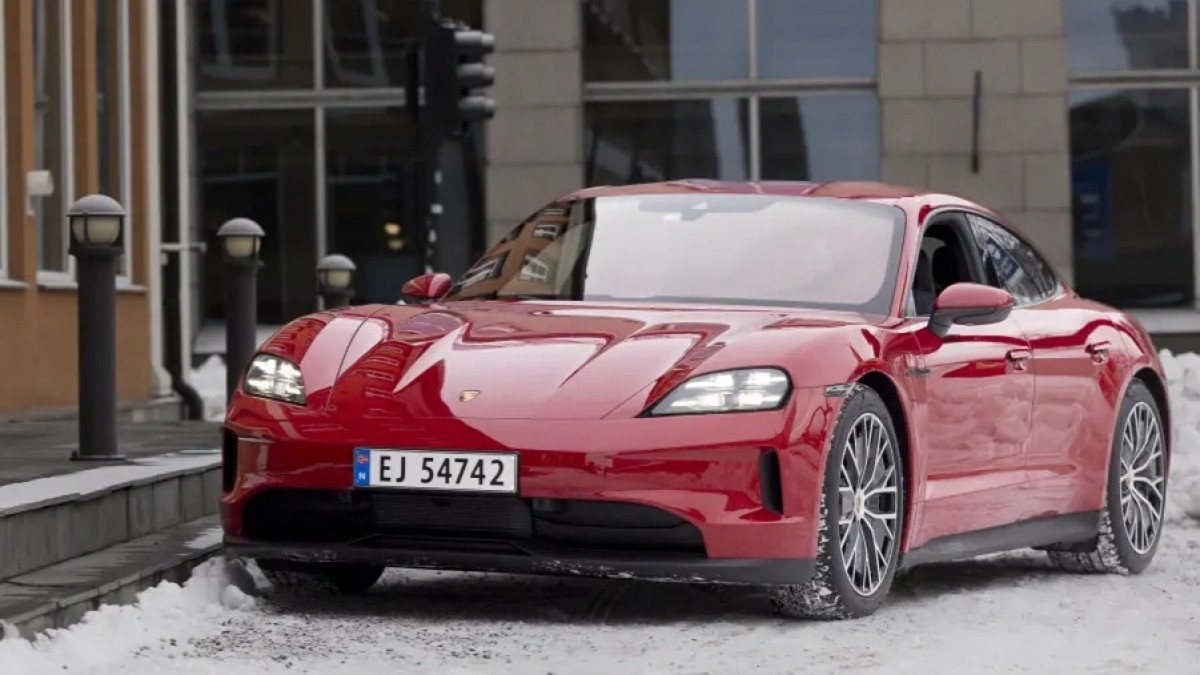
With both vehicles achieving nearly identical distances, the third and fourth positions on the podium were shared by the Porsche Taycan variants, each covering 310 miles, about 15% below their WLTP claims.
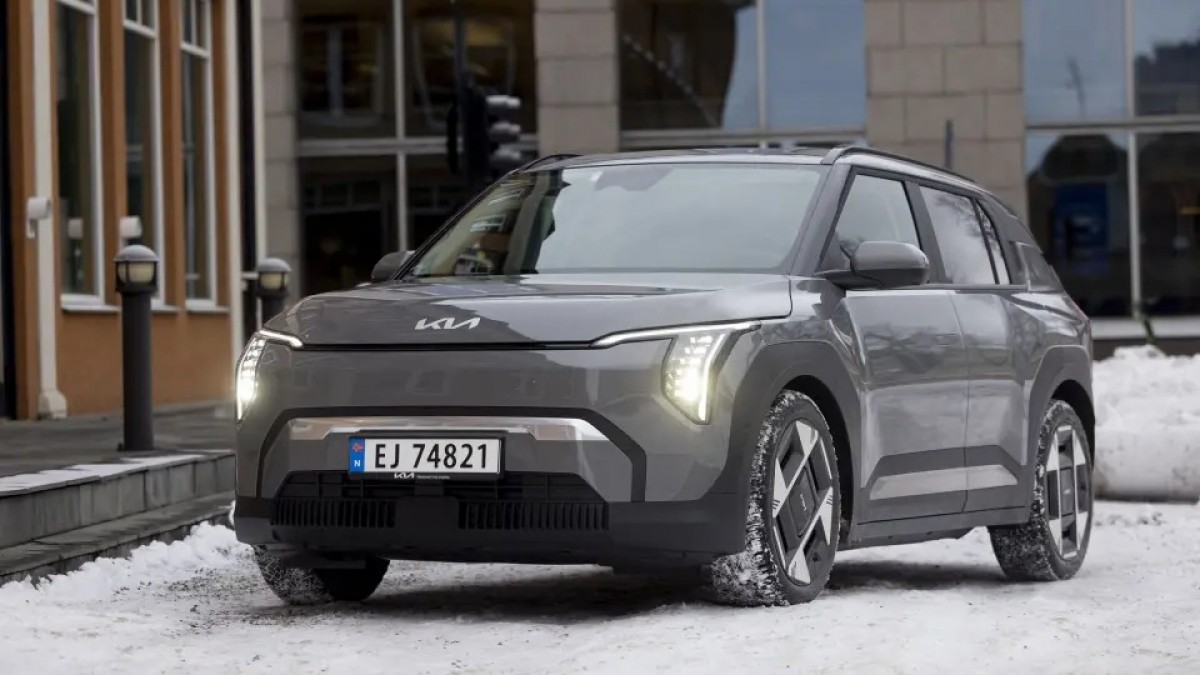
The El Prix test, held twice yearly in Norway, measures real-world electric vehicle ranges against official WLTP figures. The winter edition is particularly demanding, with slippery roads and an ascent of approximately 3,280 feet.
Despite these challenges, the Polestar 3 delivered exceptional performance. Polestar CEO Michael Lohscheller expressed pride in this achievement, emphasizing the importance of reliable range for customers and positioning the Polestar 3 as an ideal choice for those seeking a luxurious, high-performance SUV.
At the lower end of the spectrum, the Peugeot E-3008 was the poorest performer, depleting its charge after just 216 miles, falling 101 miles short of its WLTP rating. The Voyah Dream fared similarly, achieving only 214 miles, or 71% of its claimed range. The Peugeot E-5008 covered 224 miles, 79 miles less than advertised. These results reflect poorly on Peugeot’s electric lineup.
This 12th edition of the El Prix range test highlights the evolving electric vehicle market, with manufacturers continually pushing the limits of range and performance. The Polestar 3’s triumph sets a new benchmark for EV capability in harsh winter conditions. Below are the detailed results:
| Vehicle | Actual Range | WLTP Difference |
|---|---|---|
| Polestar 3 | 330 miles | -5% |
| Tesla Model 3 | 330 miles | -24% |
| Porsche Taycan | 310 miles | -16% |
| 310 miles | -15% | |
| BYD Tang | 299 miles | -9% |
| Audi Q6 e-tron | 299 miles | -22% |
| Hongqi EHS7 | 281 miles | -16% |
| VW ID.7 GTX Tourer | 273 miles | -23% |
| Ford Explorer | 272 miles | -17% |
| BYD Sealion 7 | 271 miles | -13% |
| Lotus Emeya | 271 miles | -13% |
| Hyundai Ioniq 5 | 271 miles | -20% |
| XPeng G6 | 267 miles | -22% |
| Porsche Macan | 267 miles | -22% |
| BYD Seal U | 262 miles | -16% |
| Nio EL8 | 256 miles | -18% |
| BMW i5 Touring | 244 miles | -21% |
| Mercedes G580 | 237 miles | -14% |
| Volvo EX30 | 231 miles | -21% |
| Peugeot E-5008 | 224 miles | -26% |
| Mini Countryman | 221 miles | -11% |
| Peugeot E-3008 | 216 miles | -32% |
| Smart #3 | 215 miles | -17% |
| Voyah Dream | 214 miles | -29% |
Source