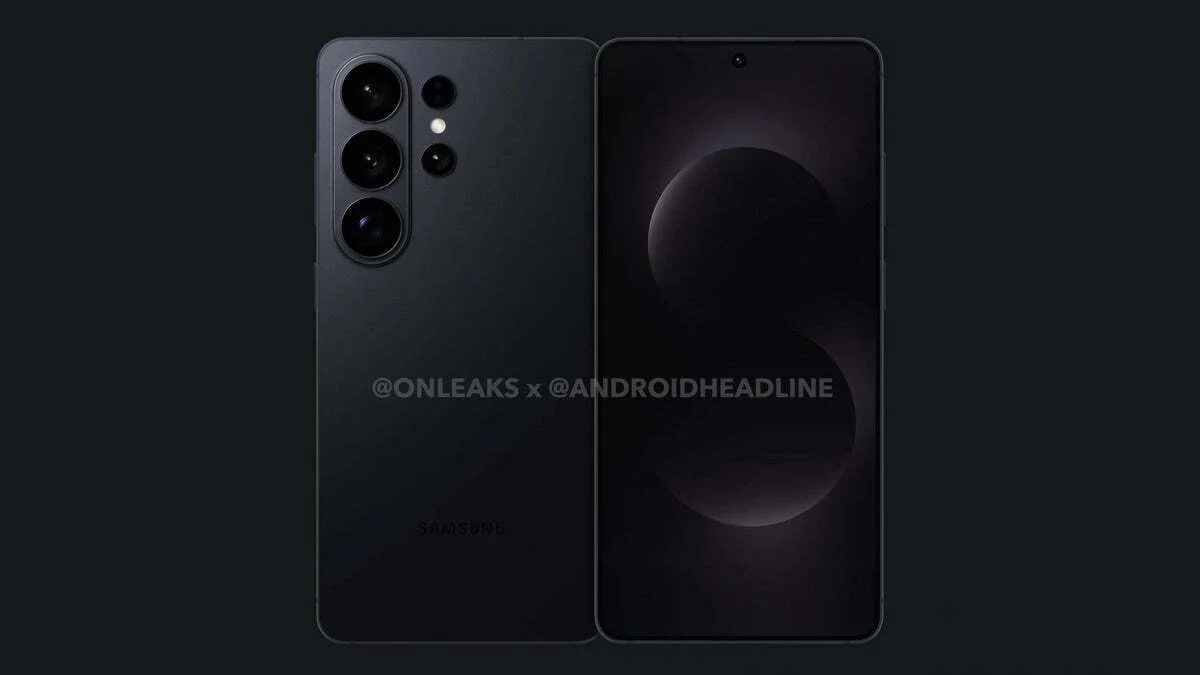
The new OnePlus 15 arrives with an impressive large battery—currently topping our battery performance rankings—and it charges nearly twice as fast as Apple’s flagship iPhone 17 Pro Max. But beyond the buzz, what difference does faster charging actually make in daily use? And does charging speed come at the cost of battery health? Drawing from personal experience with 80W charging phones, along with scientific insights and lab data, this article breaks down why charging speed matters—and when it doesn’t.
Understanding How Lithium-ion Batteries Charge
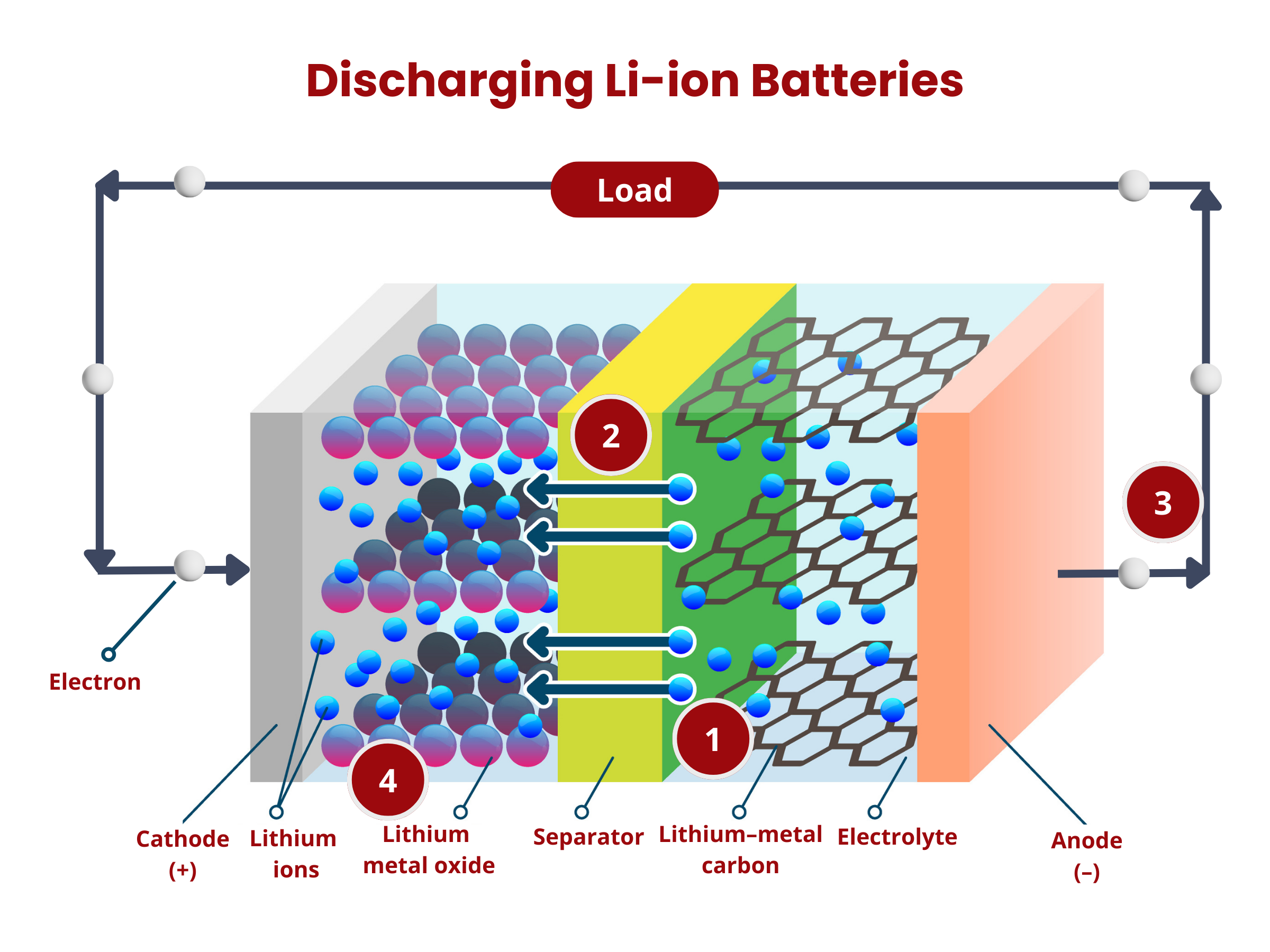
Lithium-ion batteries usually follow a two-phase charging process: a rapid “constant current” stage followed by a slower “constant voltage” stage. This means initial charging is fast, but it tapers as the battery fills up, protecting battery longevity.
How Much Time Does Fast Charging Actually Save?
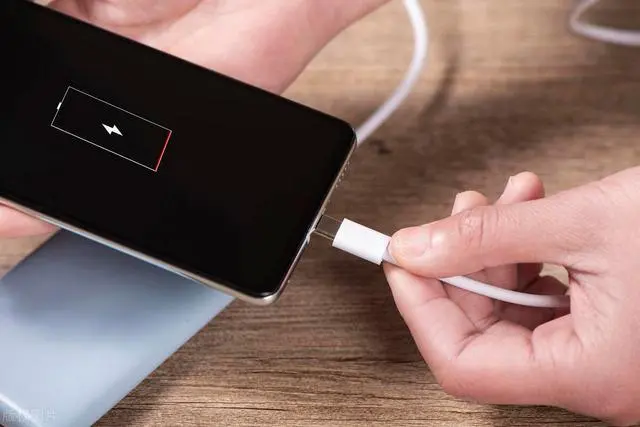
Take the Honor Magic 6 Pro as an example: it supports 80W fast charging and takes only 43 minutes to reach 100%. In contrast, the Galaxy S23 takes about 1 hour and 8 minutes. For those who tend to keep their phones above 10-15% battery, this translates to roughly 30 minutes on the charger daily versus an hour for others — cutting daily charging time in half.
Does Fast Charging Damage Your Battery?
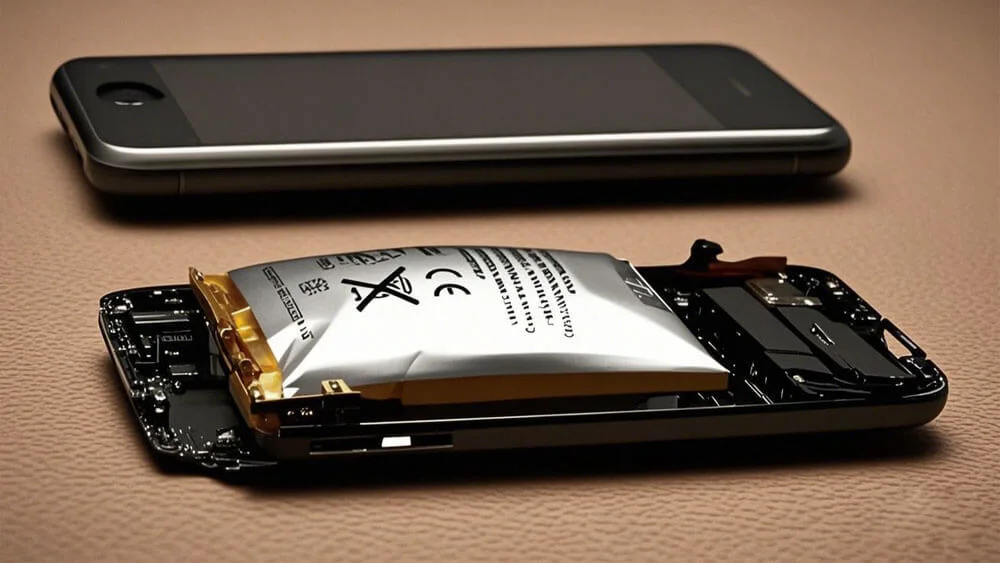
Modern batteries generally endure about 1000 full charge cycles before capacity drops to around 80%. That’s equivalent to over three years of heavy daily use. Fast charging technology has advanced to the point where it doesn’t significantly accelerate battery degradation when used as intended.
Key Takeaways
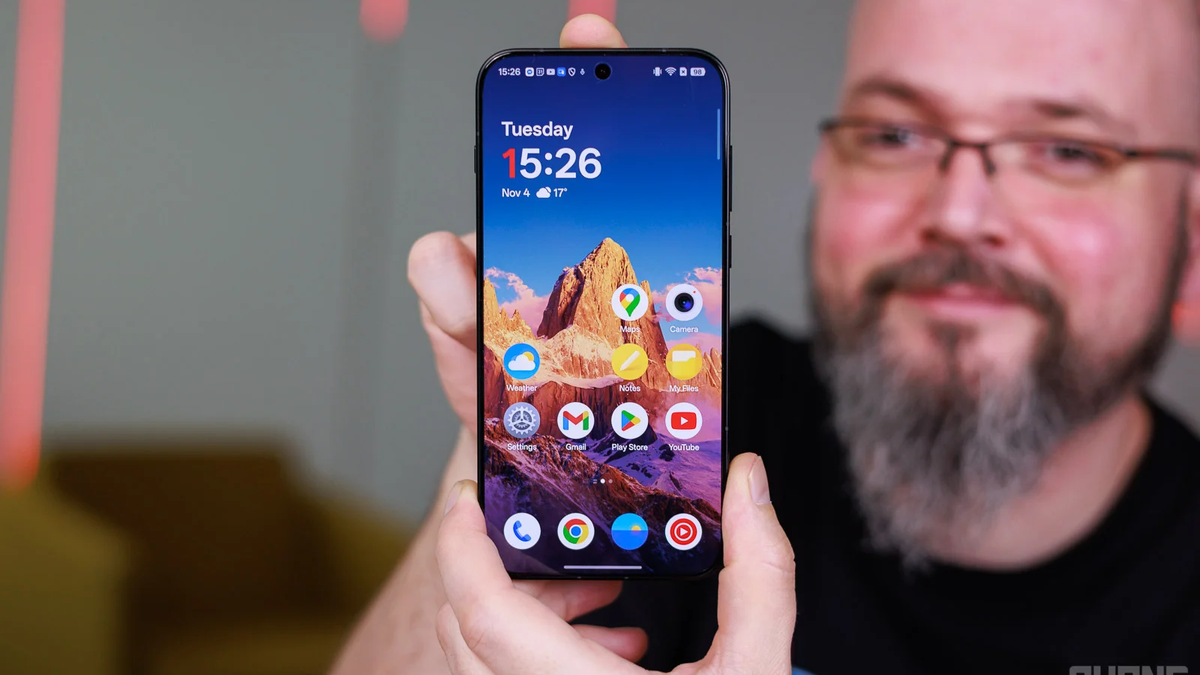
If you live a busy life or frequently need to top up quickly, the OnePlus 15’s super-fast charging offers real convenience. But if your routine is steady and you charge overnight, phones like the iPhone 17 Pro Max or Galaxy phones with slower 30W-45W chargers are perfectly sufficient — and you don’t need to worry about missing out.