After eight years at the helm, Hans Vestberg has stepped down as Verizon’s CEO, making way for Dan Schulman, known for his leadership roles at Virgin Mobile, AT&T, and PayPal. Verizon now finds itself in a challenging position — much like a football team leading by three touchdowns with only ten minutes left but losing its aggressive edge. While Verizon has shifted to a more conservative strategy to protect its lead, T-Mobile is boldly playing to win, changing the dynamics of the wireless industry.
Verizon’s Conservative Approach vs. T-Mobile’s Winning Strategy
Teams protecting a lead often play not to lose, running down the clock and avoiding risks. However, this approach can backfire when the trailing team becomes aggressive and fights back. This describes Verizon’s recent situation perfectly. Once the indisputable leader, Verizon has grown complacent, allowing T-Mobile — the disruptive “Un-carrier” — to attract more customers by being bold and innovative.
Two decades ago, Verizon was widely recognized as the most reliable network, which appealed to families like mine seeking dependable coverage. In fact, T-Mobile even acknowledged this in a nostalgic ad featuring Billy Bob Thornton, where he conceded Verizon’s previous dominance but claimed T-Mobile now offers the best network in the U.S. Whether you agree or not, Verizon’s current reality is that its advantage is shrinking.
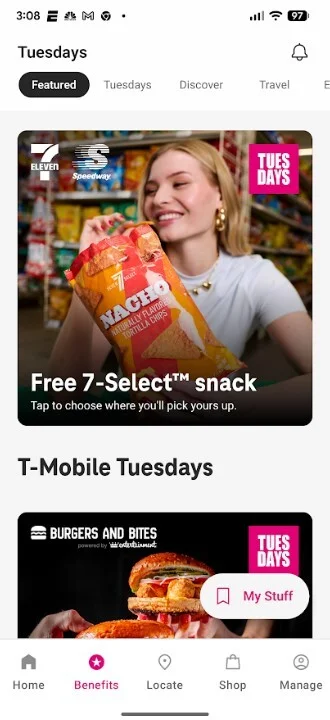
Many Verizon customers, myself included, find ourselves envious of T-Mobile’s perks like the T-Mobile Tuesdays rewards program, free Netflix, a complimentary year of AAA membership, free in-flight Wi-Fi, and more. Verizon, by contrast, charges $10 monthly for its perks, and this difference is beginning to turn heads and wallets.
PhoneArena Readers Voice Concerns Over Verizon’s New Leadership
A recent poll among PhoneArena readers revealed skepticism about whether Dan Schulman will prioritize customer experience. Over 50% of respondents believe Verizon’s new CEO will prioritize profits over subscribers. This sentiment reflects the growing unease among users who remember Verizon’s past superiority and now see it struggling to keep pace.
T-Mobile has made switching easier with its “Switching Made Easy” initiative and the T-Life app, encouraging Verizon customers to consider a change. Meanwhile, Verizon’s recent 13% workforce reduction hints at potential declines in customer service quality — a worrying sign for a carrier that traditionally has been known for excellent support.
While T-Mobile’s push towards a digital Mobile Network Operator model via the T-Life app is not without controversy, Verizon must find a way to deliver personalized service and reinvigorate its brand if it wants a chance to reclaim the top spot.
Can Verizon Bounce Back?
Dan Schulman faces a critical challenge: to show Americans that Verizon is ambitious, customer-centric, and ready to play to win again. After 20 years as a Verizon customer, I remain doubtful but hopeful. For now, I am actively considering porting out my number, and many others may be on the same path unless Verizon changes course.