Understanding the Huawei Mate 80 Pro Max’s 8,000 Nits Brightness Claim
The Huawei Mate 80 Pro Max has grabbed attention with its claim of reaching up to 8,000 nits peak brightness. While this figure is impressive on paper, it is based on a 1% Average Picture Level (APL) measurement, which means only a very small portion of the screen is illuminated at this intensity. Such measurements can sometimes be misleading because they don’t reflect everyday usage scenarios where larger portions of the display are brightened.
Despite the measurement caveat, Huawei’s flagship still stands out for its notably bright screen, rivaling some of the brightest smartphones available, like the OnePlus 15, which also features exceptional brightness at higher APL levels (around 20%). This indicates that the Mate 80 Pro Max is built to deliver strong outdoor visibility and vivid visuals, even if the extreme 8,000 nits brightness is situational.
Eye-Catching Designs With High-End Specs
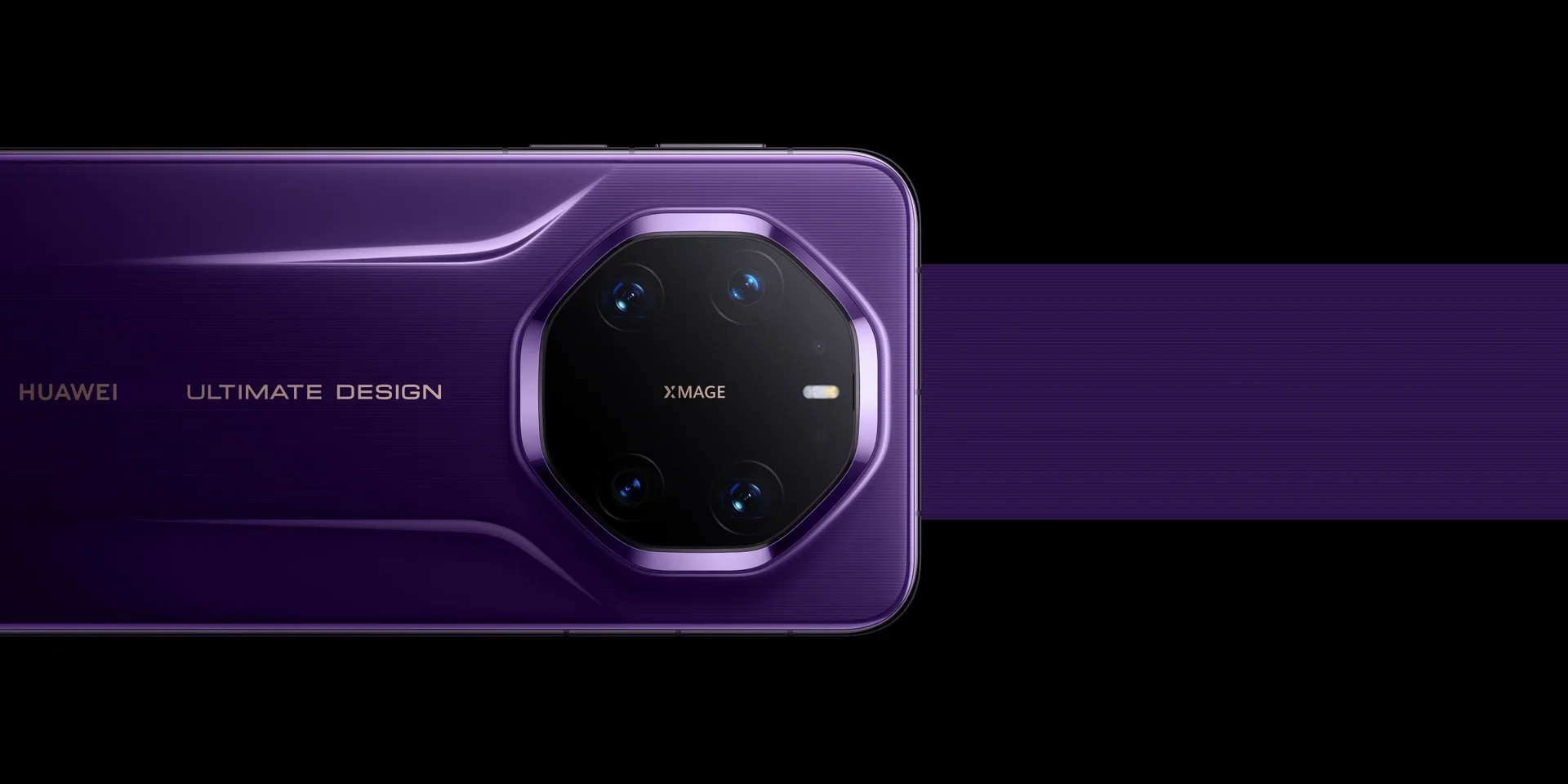
The Huawei Mate 80 series also impresses with its sleek, premium designs. The Mate 80 RS Ultimate Design model, for example, comes equipped with a massive 20GB RAM, highlighting Huawei’s intent to merge style with powerful hardware. The lineup features beautifully crafted devices that aim to compete in both performance and aesthetics.
Is Display Brightness Important to You?
Poll Results so far:
- Not at all: 0%
- It’s enough to just see the display outdoors: 41.67%
- It’s crucial for me, I need it high: 33.33%
- If the display is anti-reflective, not much: 25%
Bright, But Limited Use Case
Ultimately, while the Huawei Mate 80 Pro Max’s brightness figure is headline-worthy, its practical impact depends on how the phone is used. The exceptionally high peak brightness occurs in very specific scenarios and is unlikely to be sustained during prolonged use as it would impact battery life and cause thermal constraints. Nevertheless, Huawei has engineered a display that excels in brightness when it matters most — for outdoor use and vivid HDR content.