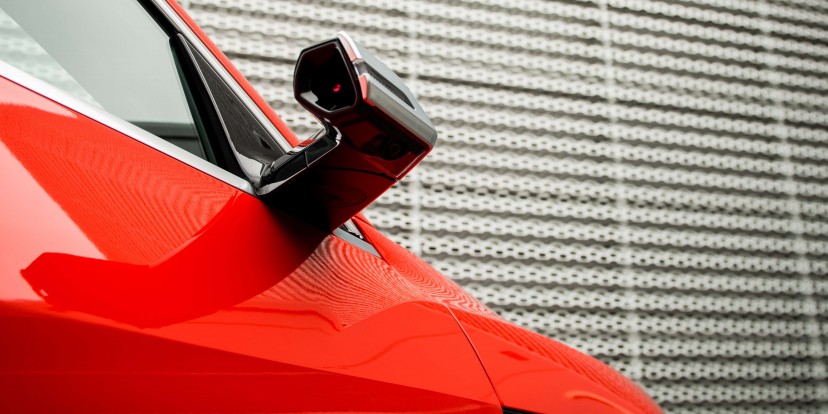
Replacing traditional side mirrors with camera-based systems has become a rising trend in modern automotive design. After several concept models like the Volkswagen XL1, Audi took a significant step in 2019 by offering mirror cameras as an option on the Audi e-tron. That same year, Honda made the side camera mirror system standard on all Honda E models.
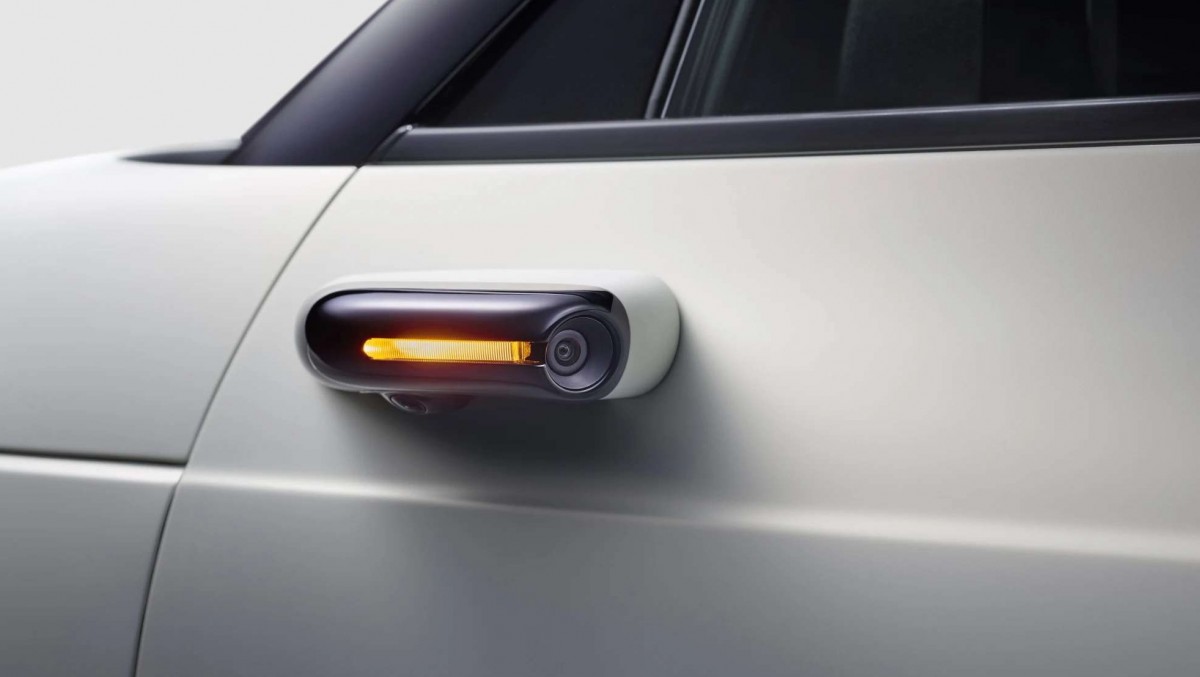
Today, mirror cameras are gaining traction, featured on models such as the Honda E and Hyundai Ioniq 5. One reason for their limited adoption is that mirror cameras are not yet street-legal in the US. However, if approved by US regulators, their prevalence is expected to rise, especially since manufacturers like Tesla have long championed this technology.
Advantages of Mirror Cameras Beyond Improved Range
The primary benefit widely promoted is enhanced aerodynamics and reduced wind noise, achieved by replacing bulky side mirrors with compact cameras. This improves vehicle efficiency and extends driving range. Honda cites a 3.8% efficiency improvement from mirror cameras, directly translating to increased range.
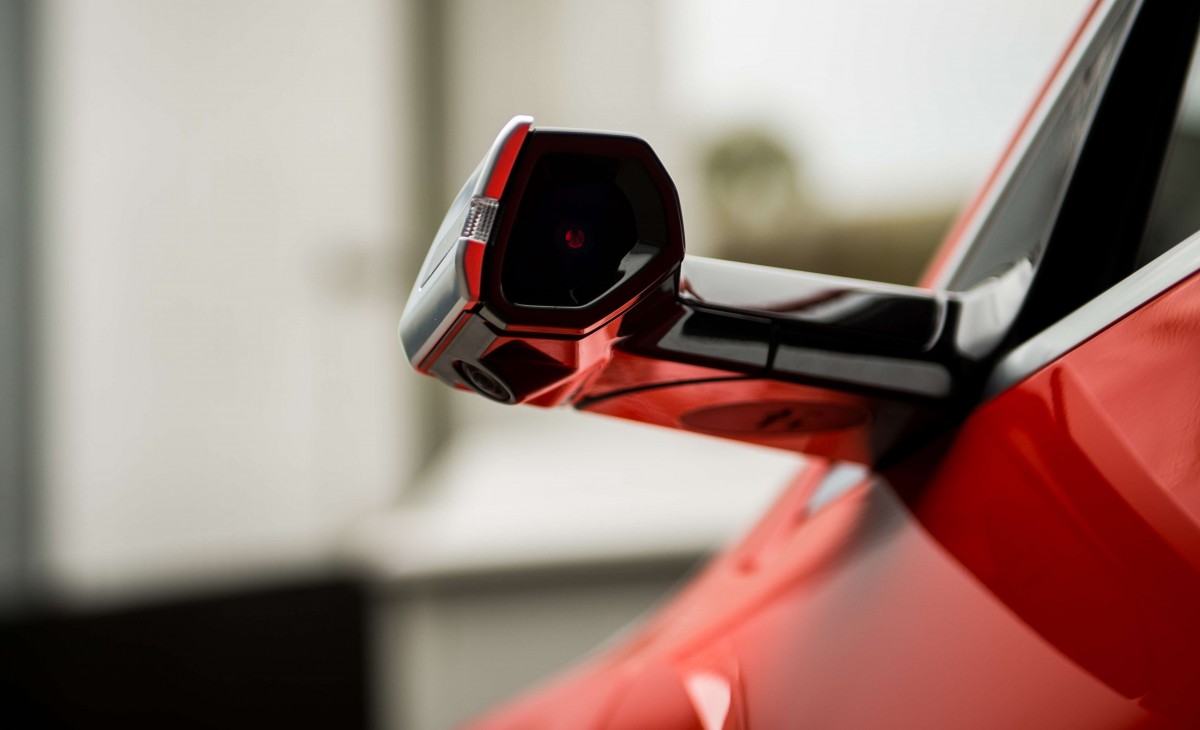
Mirror cameras also eliminate blind spots by utilizing wide-angle lenses that deliver a broader, clearer view of the road behind. Since blind spots pose major safety risks with standard mirrors, this improvement is particularly welcome.
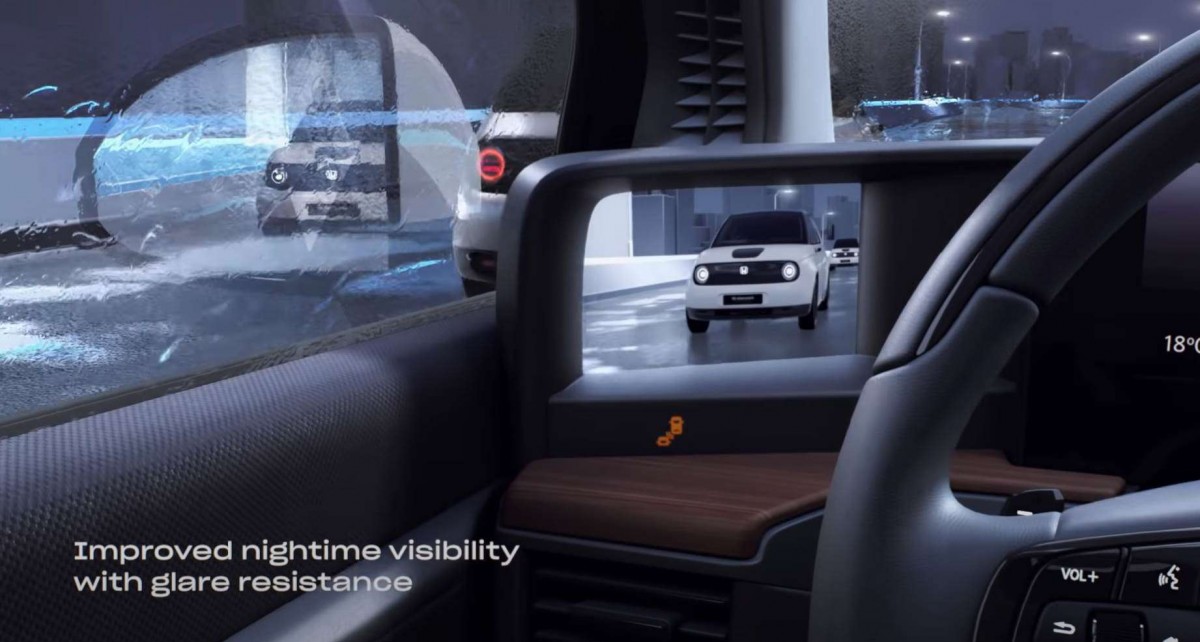
Another advantage is the cameras’ ability to adjust exposure, ISO levels, and white balance, enhancing visibility in low-light situations such as tunnels or during nighttime parking in poor weather—conditions where traditional mirrors rely solely on ambient light and driver perception.
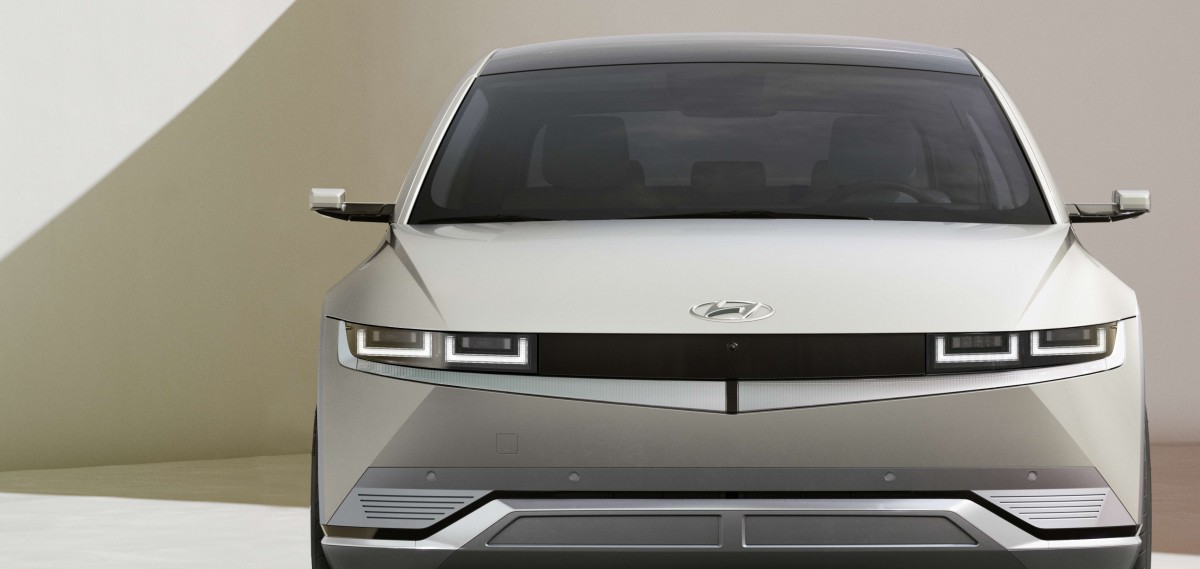
From a design perspective, mirror cameras offer a sleek, futuristic aesthetic that aligns with current automotive trends. Many concept vehicles have embraced mirrorless designs, suggesting a strong appeal among car designers.
Downsides and Considerations of Mirror Camera Systems
Despite their benefits, mirror cameras present notable drawbacks. They are costlier to purchase and repair compared to conventional mirrors. Due to their complexity, cameras are more prone to malfunctions, and replacements can be more challenging and expensive.
Image quality can also be an issue. In certain lighting conditions—such as low light or bright sunshine—cameras may produce grainy, blurry footage or suffer from lens flare, potentially impairing driver visibility.
Another challenge concerns the placement of display screens inside the vehicle. Most manufacturers install these on the interior side doors to maintain the natural glance direction for drivers. However, these screens can become distractions if brightness settings are not properly adjustable, especially during nighttime driving.
A less discussed but significant issue involves drivers with impaired vision, particularly those with presbyopia—an age-related difficulty in focusing on near objects. Conventional mirrors reflect light from distant objects, so drivers’ eyes focus naturally on the road ahead. Conversely, camera images are displayed on screens much closer to the driver, requiring frequent refocusing, which can be uncomfortable or even problematic for some, especially those wearing bifocals or progressive lenses.

Since the cameras’ screens are closer, the eyes must rapidly adjust between viewing the road and the display, a challenge not addressed by corrective lenses. This issue also applies to digital rearview mirrors, complicating visual comfort and reaction times for affected drivers.
The Importance of Choice
Ultimately, while mirror cameras bring promising innovations, they do not suit every driver's needs. Embracing new technology is essential for enhancing driving experiences, but given the mixed advantages and drawbacks, it is crucial to preserve consumer choice. Thankfully, most automakers currently offer mirror cameras as optional features rather than mandatory equipment. We hope this flexibility remains to accommodate diverse driver preferences.