TSMC continues to dominate the semiconductor foundry market, serving major clients such as Apple, Qualcomm, Nvidia, AMD, MediaTek, and Broadcom. Despite reporting a robust revenue of $33.1 billion for Q3 2025, CEO C.C. Wei highlights a significant imbalance in the chip industry: chip demand currently exceeds supply by approximately three times. This strained supply chain poses serious risks of production bottlenecks, particularly for advanced nodes critical to cutting-edge technologies.
TSMC’s Advanced Process Capacity Under Intense Pressure
Demand for TSMC’s advanced 5nm, 3nm, and upcoming 2nm process chips far outpaces the foundry’s ability to produce. While clients with long-term contracts like Apple and Nvidia have some security in their supply, new customers without established agreements may face extended wait times for chip fabrication. This further solidifies TSMC’s dominant position, but also underscores the fragility of the supply chain.
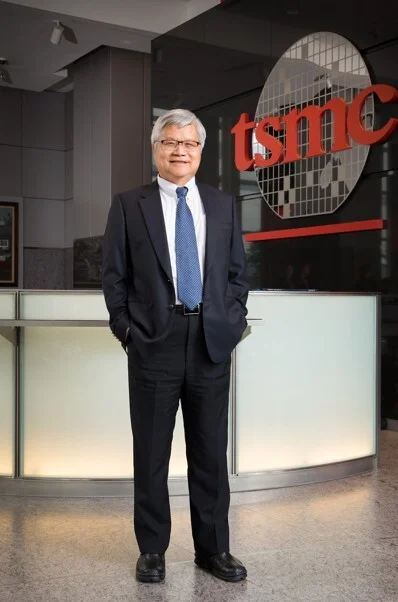
TSMC CEO C.C. Wei. | Image credit: TSMC
Market Share Comparison: TSMC vs Samsung Foundry
In Q2 2025, TSMC commanded a staggering 70.2% share of the contract semiconductor foundry market, dwarfing Samsung Foundry’s 7.3%. China’s SMIC followed with 5.1%. Despite Samsung’s smaller share, the South Korean foundry has been improving production yields, which had previously been a major hurdle.
Samsung’s past yield challenges notably led Qualcomm to shift the Snapdragon 8 Gen 1 production away from Samsung to TSMC, only returning after revisions and improved yields with the Snapdragon 8+ Gen 1. This exemplifies the critical importance of yield performance in attracting high-profile clients.
Can Samsung Foundry Capitalize on TSMC’s Capacity Crunch?
Samsung’s improved yields and technological capabilities, highlighted by the upcoming deployment of the Exynos 2600 Octa-core processor in the Galaxy S26 lineup, position it to potentially benefit from the current shortage in TSMC’s capacity. Samsung’s turnaround in yield performance may encourage manufacturers needing additional production to consider alternatives amid the chip crunch.
However, expanding production capacity is not a quick fix. Building a cutting-edge 2nm fabrication plant costs around $28 billion and requires 3 to 5 years to become operational. TSMC’s current shortfall is unlikely to be resolved rapidly, suggesting an extended period of tight supply and potential demand shifts.
What Lies Ahead for the Semiconductor Industry?
As chipmakers navigate this complex landscape, the question remains whether Samsung Foundry can leverage TSMC’s overwhelming demand to attract new customers and expand its market share. While TSMC’s reputation and existing contracts keep it firmly in the lead, Samsung’s technical improvements may tip the balance in some segments.