Apple’s AirDrop, a beloved feature for seamless file sharing between iPhones, is undergoing a major change. Recent developments reveal that Pixel phones, starting with the Pixel 10, can now use AirDrop to share files directly with iPhones. Although this collaboration between Pixel and iPhone users is exciting, insider Mark Gurman suggests Apple is likely to shut down this cross-platform functionality sooner rather than later.
Pixel 10 and AirDrop: Bridging the Gap
While the Pixel 10 natively uses Android’s Quick Share for file transfers, it appears iPhones recognize the Pixel as an iOS device, allowing AirDrop compatibility. This remarkable interoperability marks a significant step towards easing file sharing between Android and iOS users, something many have long desired.
Community Opinion: Should Apple Keep This Feature?
Poll Results (138 votes):
Yes, please!: 37.68%
Yes, and expand it to other platforms: 52.9%
No! Protect Apple's walled garden!: 9.42%
Potential End of an Era for AirDrop Cross-Platform Support
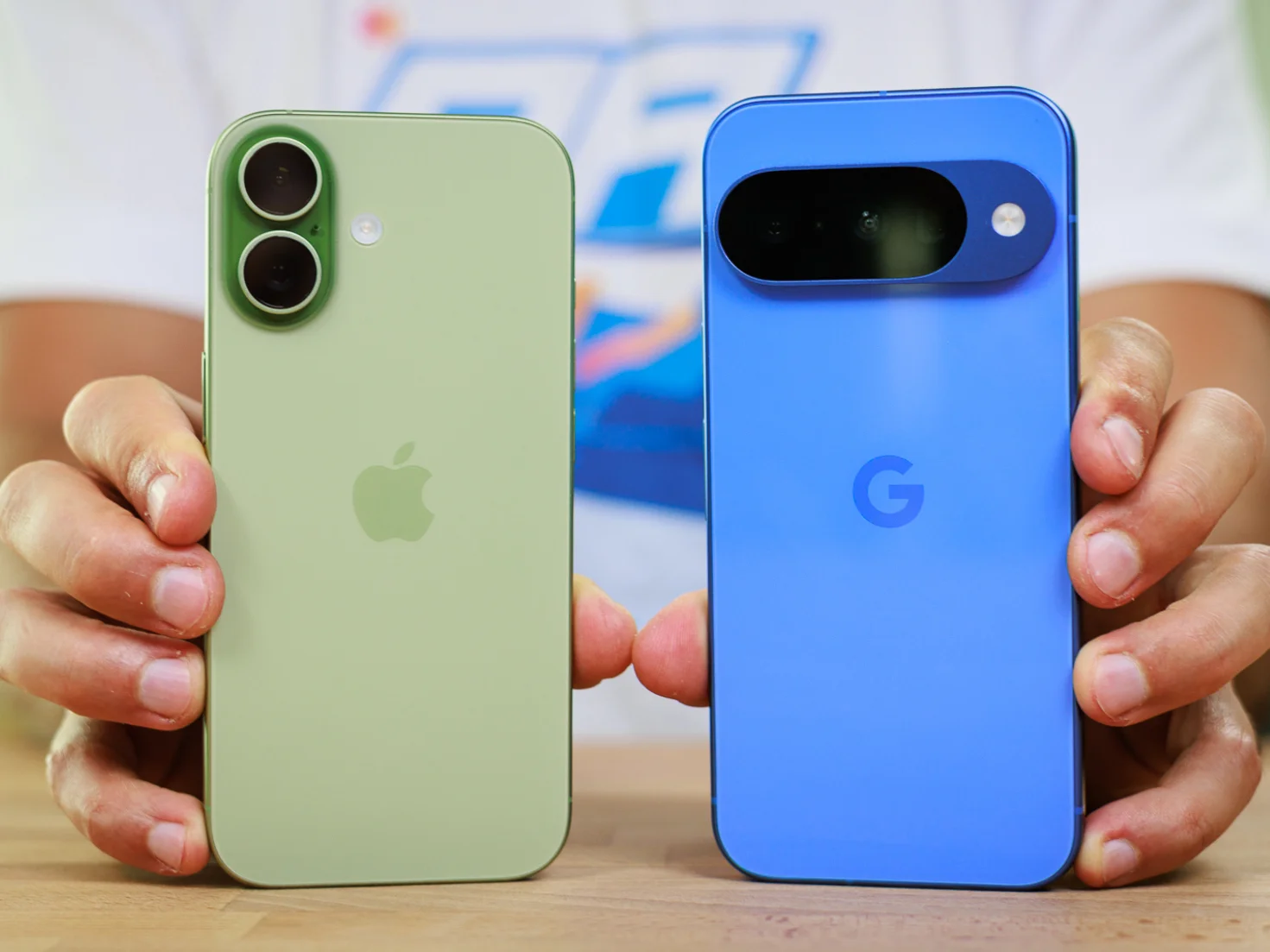
Pixel 10 and iPhone 17 have never been closer. | Image credit — PhoneArena
Despite this newfound harmony between Google and Apple devices, insiders predict Apple will move swiftly to discontinue this feature. The rationale lies in Apple’s protective stance over its ecosystem and the so-called “walled garden” approach that has long defined its strategy.
The Decline of Apple’s Walled Garden
Recent regulatory changes, such as the EU’s Digital Markets Act, have already forced Apple to loosen its grip in several areas. For example, the iPhone 15 was required to adopt USB-C charging ports, breaking away from the proprietary Lightning connector. Moreover, app sideloading and third-party NFC payment services are now partially permitted within the EU, signaling a gradual erosion of Apple’s exclusivity in hardware and software.
Amidst these shifts, the AirDrop cross-platform feature stands as another potential casualty in the crumbling fortress of Apple’s closed environment.
The Future of Apple’s Exclusive Features
While the loss of some “walled garden” features diminishes the unique air of exclusivity Apple devices have carried, many users welcome the newfound interoperability and flexibility. However, Apple’s apparent unhappiness with these regulatory changes and cross-platform collaborations indicates this is just the beginning of a larger transformation in the tech giant’s approach to user experience and ecosystem control.