Every year, new Android phones flood the market, offering fresh features and innovative designs. For tech enthusiasts like myself, having the opportunity to explore and tinker with these devices expands our perspective on what smartphones can offer. One design trend that has stood out recently is the return and reinvention of custom hardware buttons, which add tangible value to our daily smartphone experience.
The Case for Custom Hardware Buttons
Historically, mobile phones experimented with additional physical buttons beyond the standard power and volume keys, giving users quick access to specific features. Although modern smartphones largely embraced minimalist designs with fewer buttons, the tide is turning again.
Apple has spearheaded this resurgence with its customizable Action Button that replaced the traditional ring switch, along with the new Camera Control button. Android manufacturers have followed suit, integrating similar hardware controls that not only enhance usability but also enrich overall functionality.
Recent Android flagships such as the Oppo Find X9 Pro, OnePlus 15, and Vivo X300 Pro showcase this trend, featuring extra buttons that can be programmed for anything from toggling Do Not Disturb to launching the camera or flashlight. These buttons provide users with convenient shortcuts that elevate the daily smartphone interaction without compromising aesthetics or ergonomics.
It’s simple — more options mean more control. A dedicated customizable button on the side of your phone transforms how quickly you can access essential features, bringing tangible improvements to usability.
What About Samsung and Google?
Despite their dominance in the Android ecosystem, Samsung and Google have remained cautious about embracing extra custom hardware buttons. While Samsung has impressed with innovations like the S Pen on the Galaxy Note and now the Galaxy S Ultra series, the absence of a programmable action button feels like a missed opportunity.
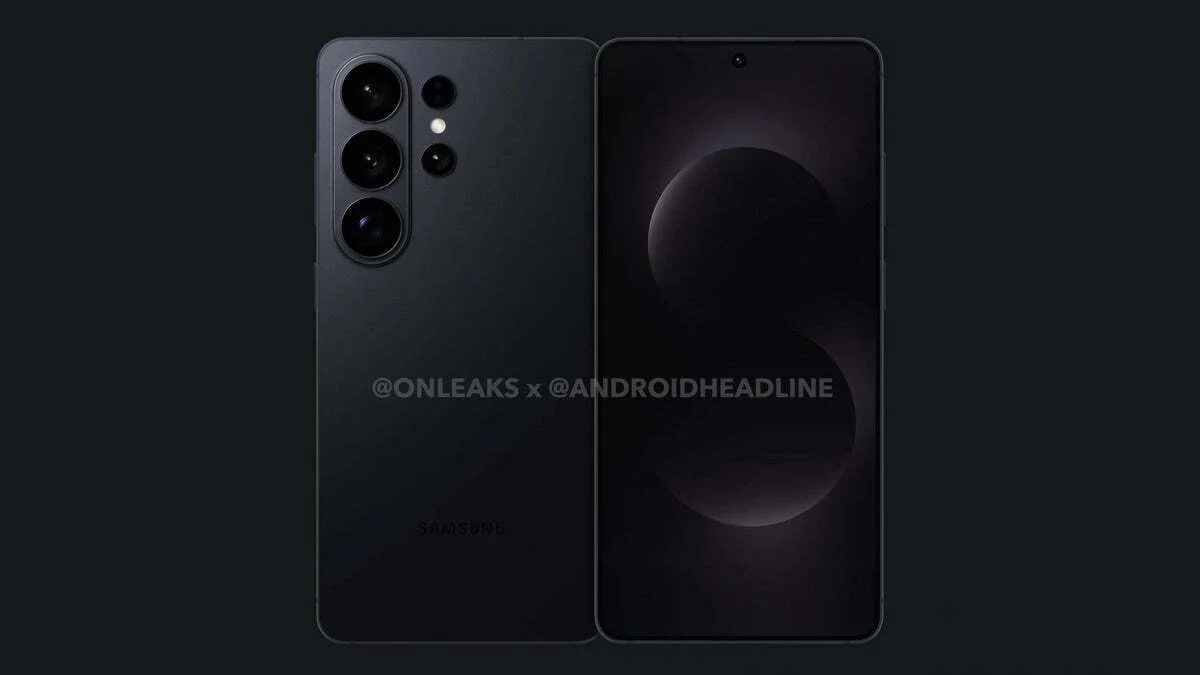
Imagine a capacitive camera button on the right edge of the Galaxy S26 Ultra or a customizable side button to swap easily between ring profiles or trigger shortcuts. Such features would be easy wins for Samsung’s premium devices.
Google’s Pixel devices once stood out with unique hardware elements like the Now Playing feature, Active Edge squeeze gesture, and hand gesture controls. These differentiated the Pixels in a crowded market, yet recent models feel bland by comparison — especially on the hardware innovation front. Aside from the interesting, albeit gimmicky, thermometer sensor, few stand out features set Pixels apart today.
Reintroducing custom hardware buttons could add a new layer of personality and utility to Pixel phones that fans have longed for. Given current trends, it’s a direction Google should strongly consider.
Conclusion
Incorporating more customizable hardware buttons is more than just a design quirk; it is a genuine functional enhancement. The renewed popularity of these buttons among some Android makers and Apple’s innovations underscore their value.
Samsung and Google should take note and dive headfirst into this feature renaissance. Adding customizable buttons would not only boost convenience and efficiency but also help their phones stand out in an increasingly competitive smartphone market.
After all, when it comes to hardware options, more thoughtful choices can only be a good thing.