The Evolution of Motion Photos
Motion photos, or live photos, first appeared on smartphones years ago, but the journey to a truly seamless and meaningful experience began long before Apple popularized the feature.
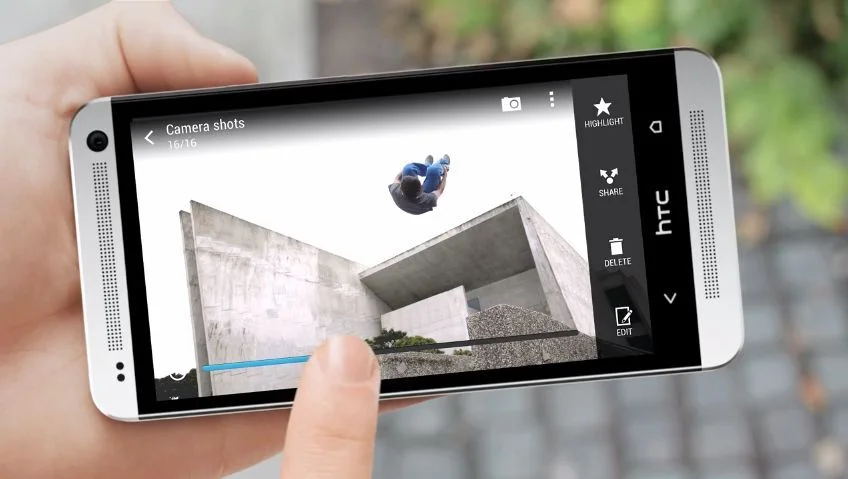
Android phones were early innovators in this space, with HTC leading the charge in 2013 by introducing what they called “Zoes” with the HTC One. Despite innovative hardware and concept, the implementation was cumbersome. Users had to enable a special mode, and each photo triggered multiple captures—resulting in gallery clutter and wasted storage.
Samsung’s Early Attempts
Samsung entered the motion photo domain with its Galaxy Note 3, adopting a feature dubbed "Animated Photo." Known for its feature-rich but often overwhelming approach, Samsung's version felt like just another addition in a long list rather than a polished user experience.
Apple Perfects Live Photos

Everything changed in 2015 when Apple introduced Live Photos with the iPhone 6s. This feature captured 1.5 seconds before and after a still image, presenting a smooth, lifelike moment instead of a jerky animation.
Beyond capturing the motion itself, Apple integrated Live Photos deeply into iOS—from seamless playback in the Photos app to Live Wallpapers and easy sharing across Apple devices. This experience was automatic and effortless, without requiring users to switch modes or change behaviour.
Subtle touches like syncing shutter sound with the clip’s center and maintaining natural motion and audio cemented Live Photos as a beloved feature for capturing memories with depth.
Google’s Motion Photos: Falling Short After a Decade
Over a decade later, Google’s take on motion photos on Pixel devices pales in comparison to Apple’s seamless implementation. Despite Google’s reputation for innovative computational photography—such as HDR+, Night Sight, and Photo Unblur—the company has yet to master the art of blending motion with still photos.
Pixel’s motion photos often appear distorted and chaotic:
- Face stretching: Facial features warp unnaturally.
- Background wobble: Static objects bend and warp unpredictably.
- Flickering exposure: Sudden brightness changes distract from the moment.
These issues not only ruin the aesthetic but also miss the emotional intent behind such a feature—to relive moments with subtle, authentic motion.
Google’s years of advances in computational photography make this shortfall all the more frustrating. Pixel users deserve a motion photo experience that lives up to the potential and matches the memories they want to create.
Unlimited plans for $15/mo at Mint!
Mint Mobile offers an incredible deal on unlimited data plans—get any unlimited plan for just $15 per month, a 50% discount off the usual price.
Buy at Mint Mobile