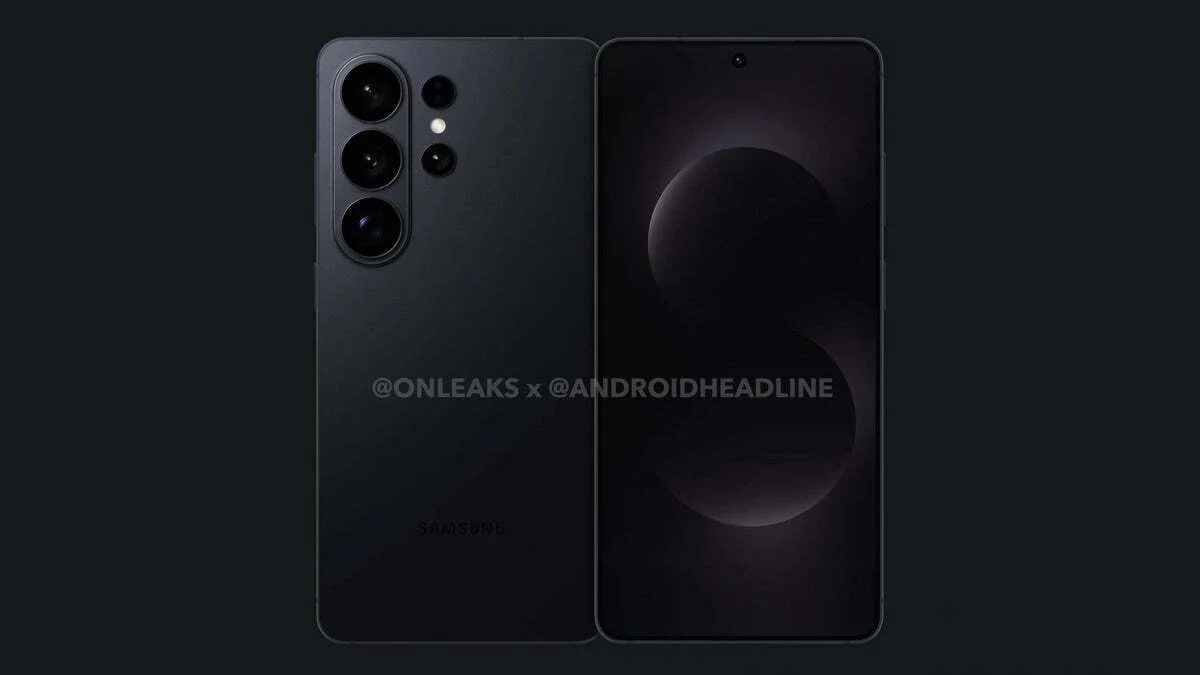
Samsung’s Galaxy S26 series is shaping up to be an exciting release, with early rumors clarifying that the Plus model is returning alongside the Ultra and standard versions. While most of the spotlight has been shining on the S26 Ultra, it’s time to shift focus to the S26 Plus—a phone that often plays the overlooked middle child but truly has the potential to be a stellar flagship in its own right.
Each year, the Ultra pushes new features and innovations, but often at the expense of practical upgrades that would benefit the Plus model, which remains a solid $1,000 flagship. This article explores key improvements Samsung must make to elevate the Galaxy S26 Plus and finally make it a compelling choice for smartphone buyers looking for a balanced flagship experience.
Anti-Reflective Screen: A Must-Have for Better Visibility
Samsung introduced the excellent anti-reflective coating first on the Ultra models starting with the S24 Ultra. This feature dramatically reduces screen reflections, making the display much easier to see in bright conditions. Unfortunately, the Plus variant has been left out of this upgrade despite its premium price point. Adding this technology to the S26 Plus would greatly enhance the user experience, attracting users who currently prefer the iPhone or Pixel for their superior visibility in sunlight.
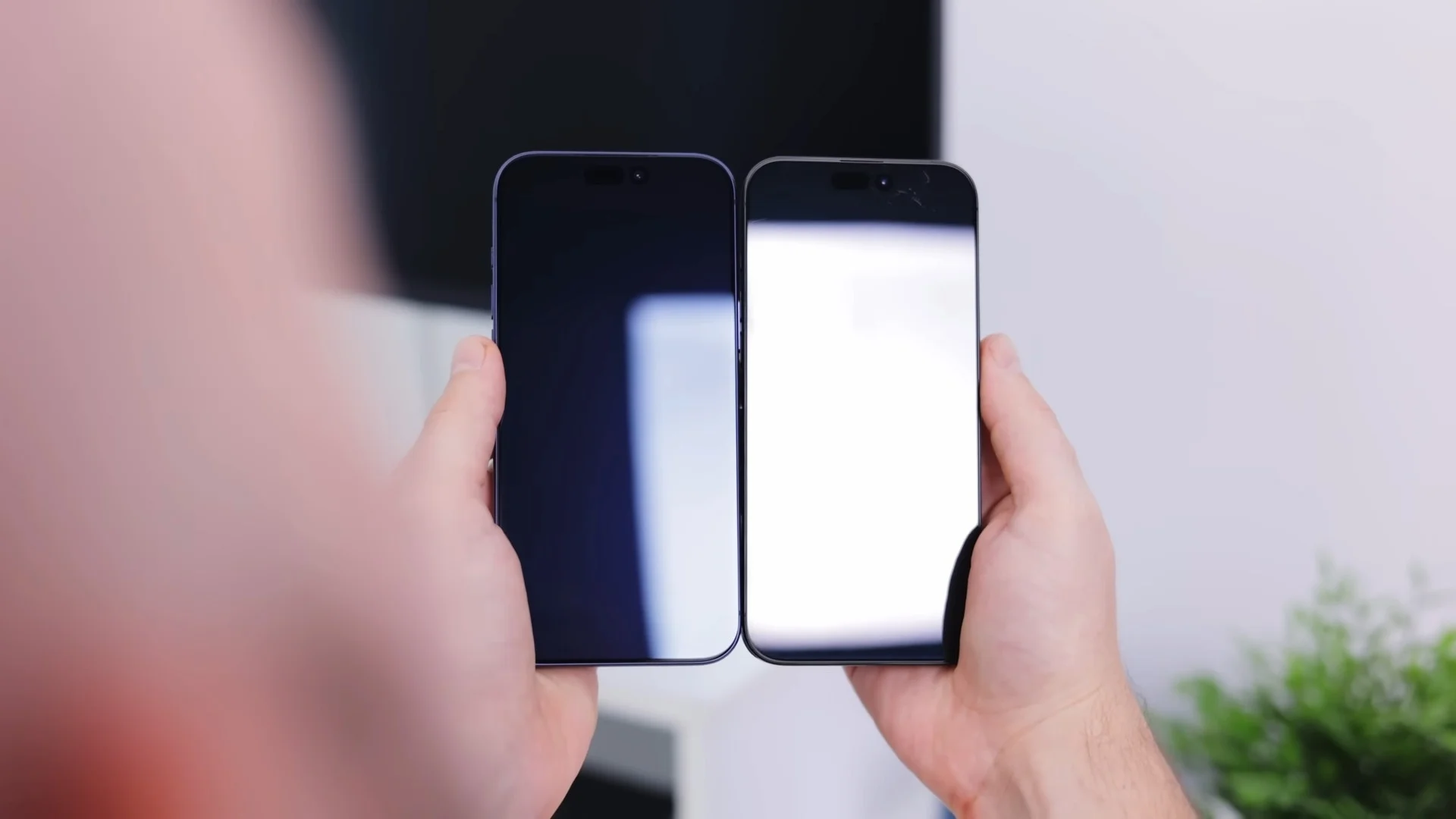
The S25 Ultra’s display effectively combats reflections, a feature sorely missed on the Plus
Upgrade the Telephoto Camera with a Larger Sensor
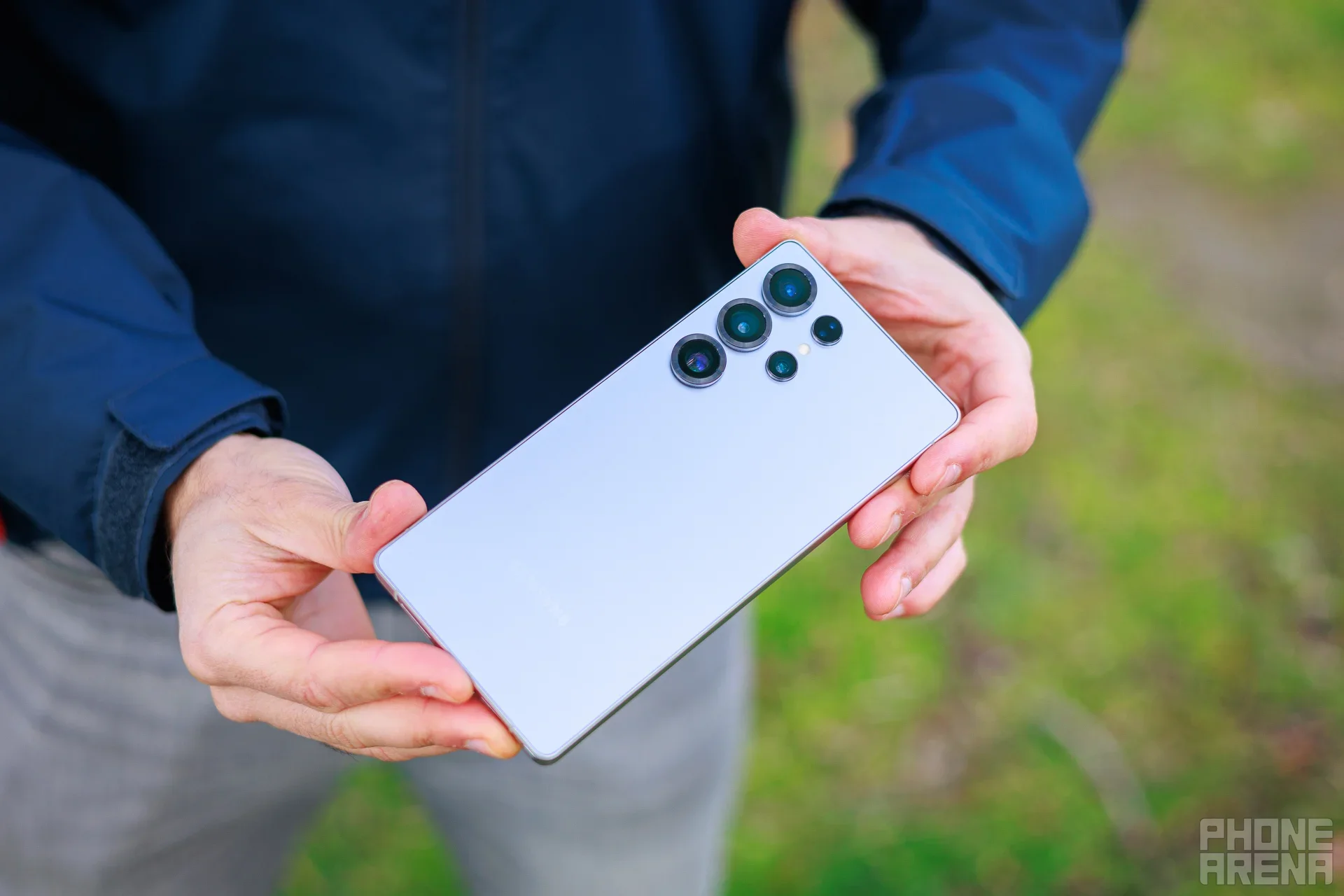
While Samsung’s bragging rights involve multiple telephoto lenses on the Ultra, most users only need a reliable single telephoto camera. Chinese camera phones have demonstrated that a single 3X to 4X telephoto lens, paired with a sizable sensor, delivers nearly all the benefits of a dual telephoto setup. The S26 Plus includes a 3X zoom lens, but its outdated, tiny sensor results in poor low-light performance.
Samsung should retain the 3X telephoto but improve the sensor substantially, perhaps by enabling telephoto macro capabilities. This modest upgrade would differentiate the Plus as a truly versatile all-rounder without relying on Ultra-level redundancy.
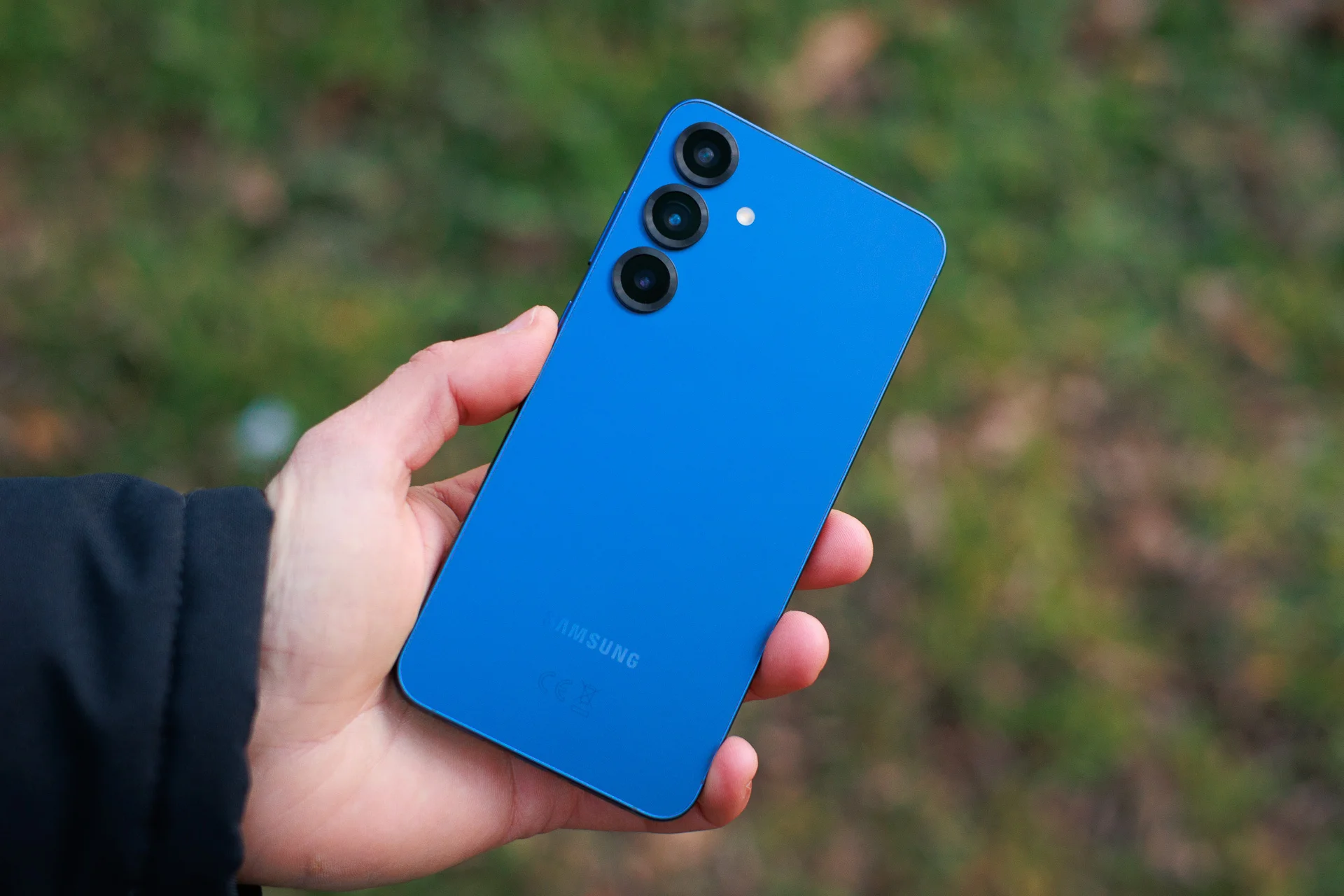
Increase Battery Capacity for Real-World Use
Unlike the Ultra, which sacrifices battery space to accommodate the S Pen, the S26 Plus could benefit from a much larger battery. AI optimizations won’t replace actual capacity when it comes to daylong battery life. Samsung should capitalize on this by packing a “monster” battery into the Plus model, addressing one of the biggest pain points for power users and those frequently on the go.
Adopt Qi2 Magnetic Wireless Charging
Recently introduced by Google’s Pixel 10, Qi2 magnetic wireless charging is quickly becoming the new standard for convenient and efficient wireless power. Magnets help perfectly align the phone with the charger, making wireless charging more practical everywhere—from desks to cars—and potentially allowing faster charging speeds.
Samsung's S26 series should embrace this innovation, closing the gap with competitors and greatly improving the wireless charging experience, especially since current Samsung wireless charging speeds hover disappointingly between 10W and 15W.
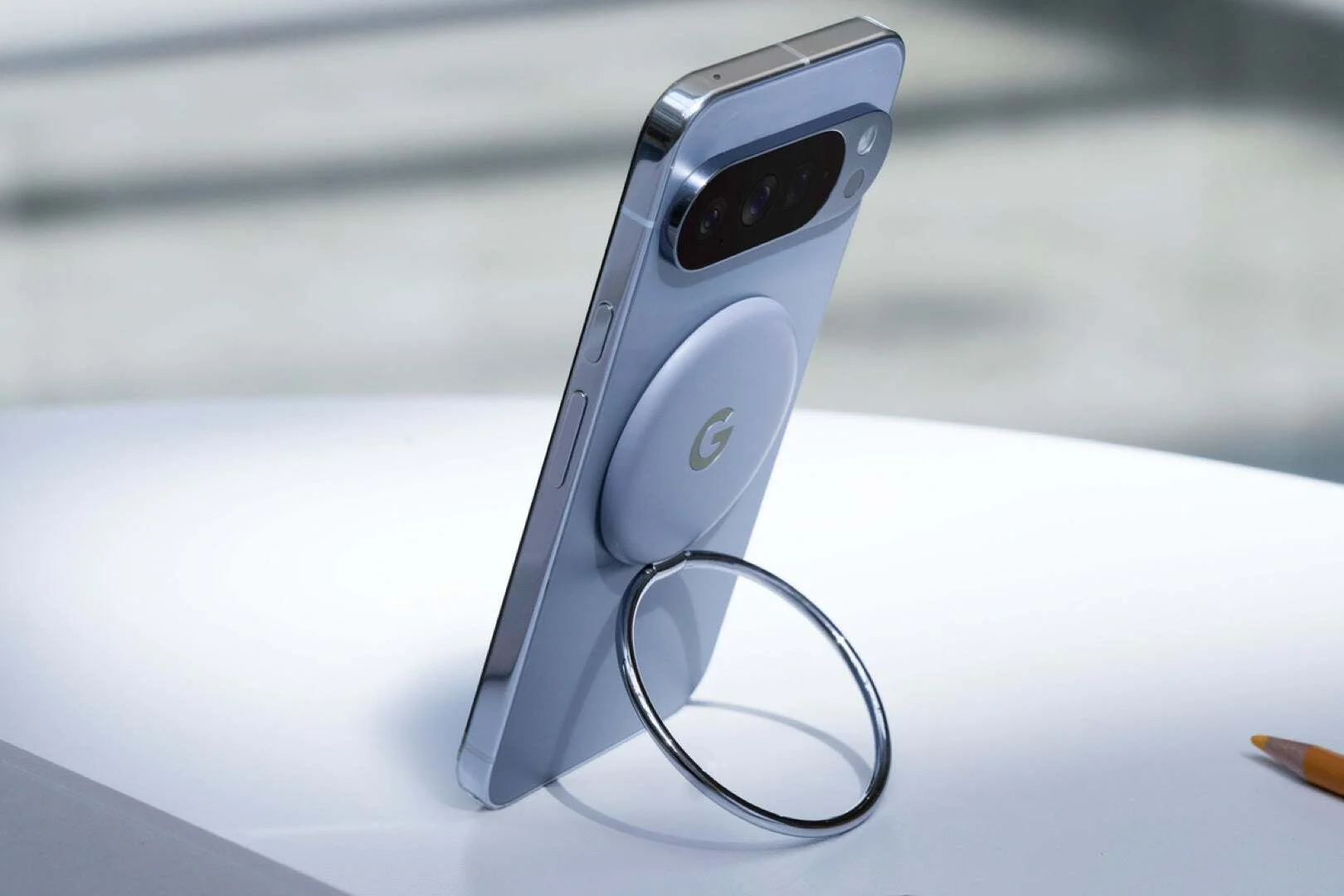
Magnetic wireless charging enhances convenience and speed
Enhance the Selfie Camera Experience
Selfie cameras have evolved beyond social media snapshots—they are essential for video calls, quick photography, and group shots. The iPhone 17 introduced innovations like square sensors allowing photo rotation without rotating the phone, setting a new bar for front-facing cameras.
Samsung needs to catch up by improving the S26 Plus’s selfie camera in both hardware and software, ensuring it meets the needs of today’s users who rely heavily on front camera functionality.
Add a Dedicated Physical Camera Button
For those who consider their phone a genuine camera tool, a physical camera button is invaluable. iPhone users benefit from easily accessible camera buttons for fast, intentional shots. Samsung and other Android manufacturers should follow suit—not with touch-sensitive alternatives prone to errors but with programmable hardware buttons that speed up photography and make capturing moments effortless.