Apple's iPhone Air may not have taken the market by storm, but insiders reveal it might have served a larger purpose behind the scenes. According to Apple expert Mark Gurman in his Power On newsletter, the iPhone Air was more of a “technology exercise” designed to pave the way for the much-anticipated foldable iPhone. This strategy sheds light on why the iPhone Air made certain compromises and struggled in sales.
The iPhone Air: A Prelude to Innovation
The initial generation of the iPhone Air didn’t outperform the previous iPhone Plus models, leading many to question Apple’s direction. However, it appears the timing of the Air’s launch was deliberate—released a year before the foldable model to fine-tune components and manufacturing processes. This incremental step allows Apple’s supply chain to prepare advanced materials, internal parts, battery tech, and miniaturization techniques critical for a smooth foldable iPhone debut.
What do you think about future iPhone Air iterations?
Setting the Stage for the Foldable iPhone
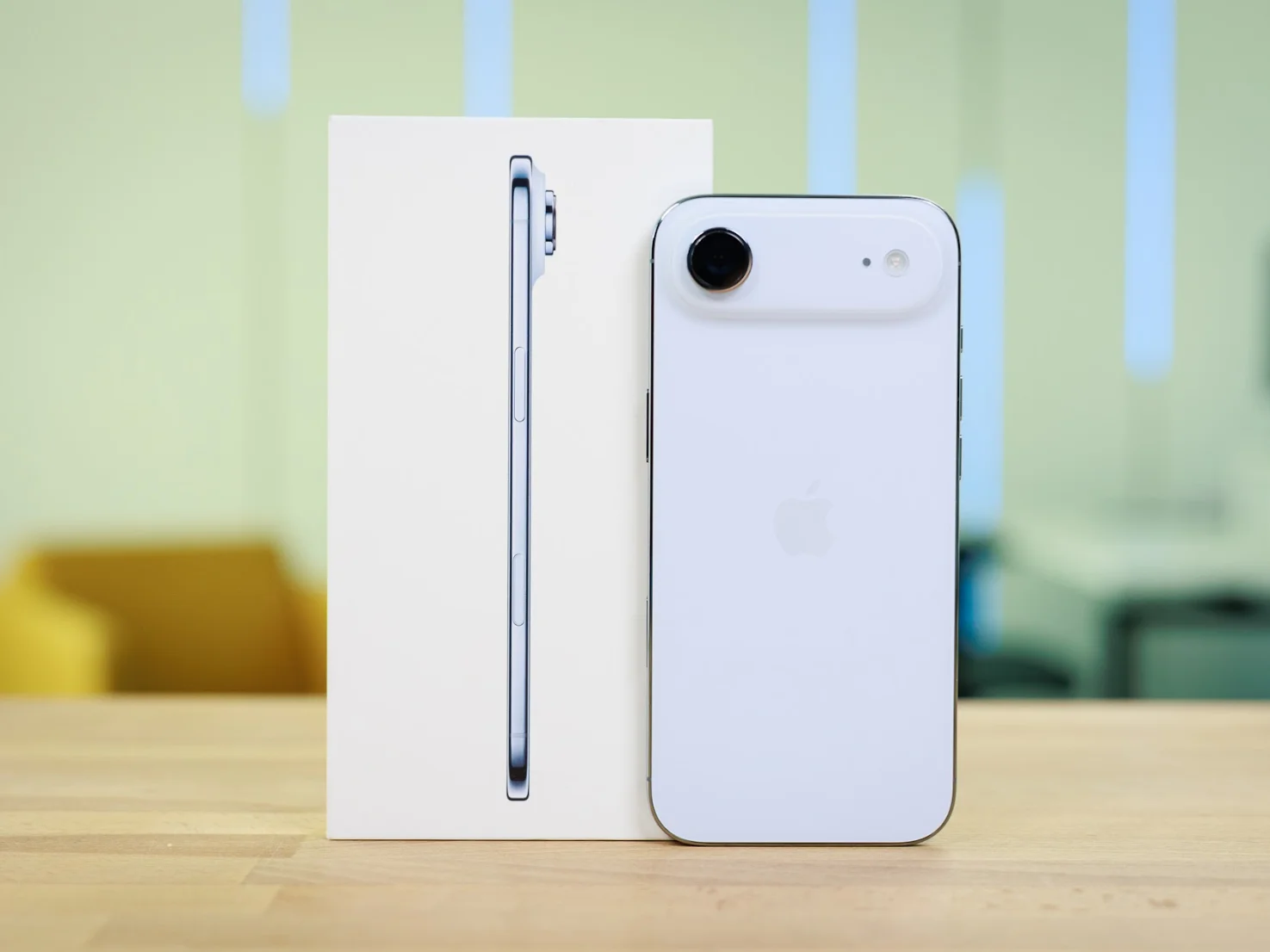
The iPhone Air’s engineering advancements help ready Apple’s supply chain by accelerating access to key components required for the foldable iPhone. Sharing technology such as battery design and compact components means Apple can ramp up production and minimize potential setbacks.
With the foldable iPhone needing to remain slim when unfolded, Apple reportedly plans to drop Face ID in favor of Touch ID, due to sensor size constraints. This shows how the learnings from the Air may influence critical design decisions for the upcoming foldable device.
Uncertainties Surrounding the Foldable iPhone
Despite the excitement, many questions linger. Recent leaks suggest the foldable iPhone may lag behind Samsung’s Galaxy Z Fold 7 and 8 in specs and price, raising concerns about its competitiveness. High pricing and feature trade-offs could challenge Apple’s ability to capture significant market share in the foldable segment.