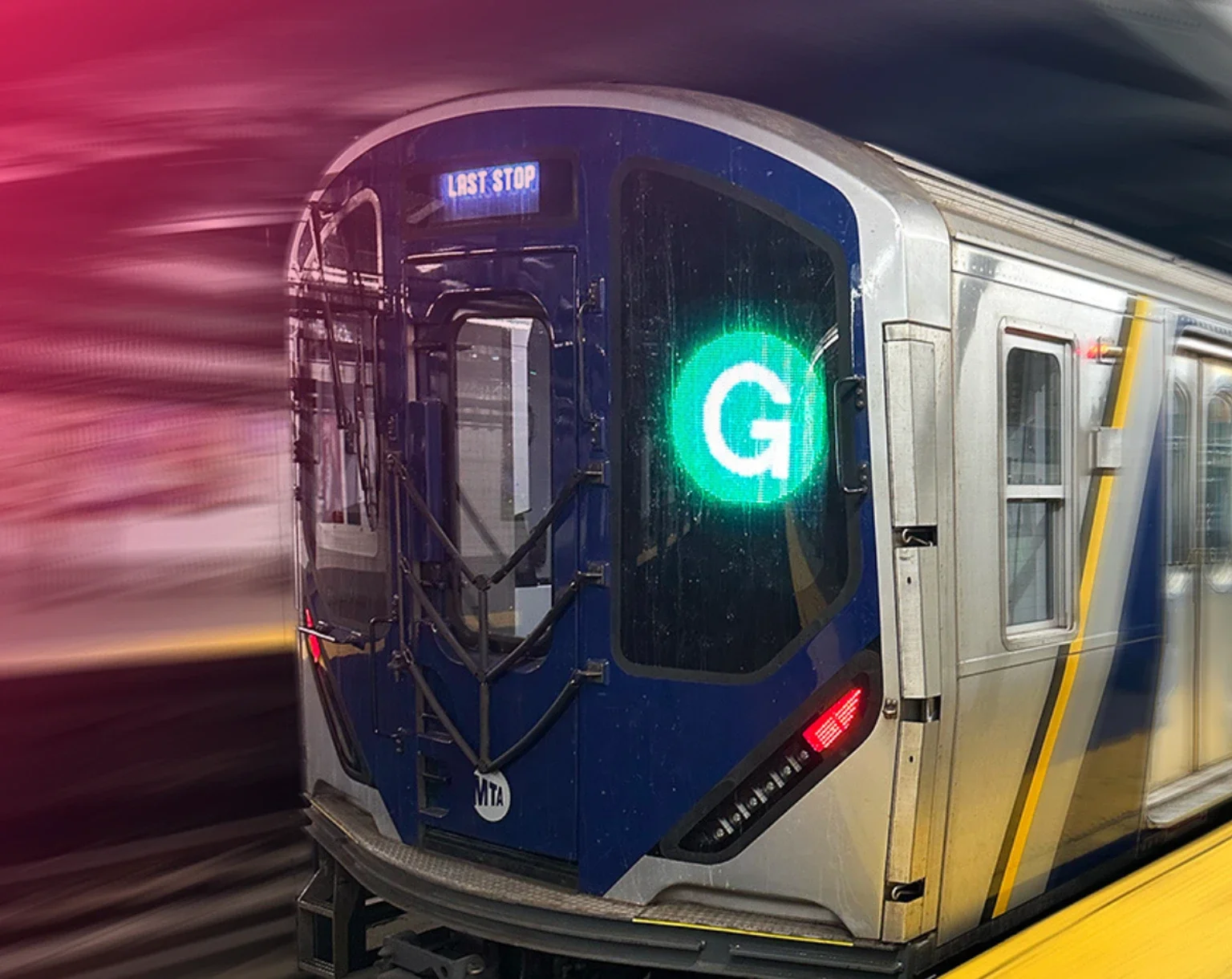
AT&T is accelerating its efforts to eliminate subway dead zones throughout New York City, and the latest upgrade focuses on the G train. In collaboration with Boldyn, a global leader in shared communications infrastructure, AT&T has launched 5G service along the G train route between Court Square in Long Island City, Queens, and Bedford–Nostrand Avenue in Brooklyn.
5G Service Now Active Along the G Line
The rollout of 5G on the G line marks another major milestone for AT&T’s underground network expansion. Following the recent activation in the Joralemon Street tunnel—connecting Bowling Green in Manhattan to Borough Hall in Brooklyn for the 4 and 5 trains—AT&T continues to be the first carrier providing high-speed 5G service in these critical transit corridors.

John Emra, President of AT&T’s Atlantic Region, remarked in November 2025, “Each new section where we enable coverage brings us closer to creating a fully connected New York City. Our collaboration with Boldyn Networks and the MTA ensures reliable, high-speed 5G is becoming a seamless part of daily transit for New Yorkers. We are proud to be the first and only carrier providing this enhanced experience on the G line.”
Subway Dead Zones Are Becoming a Thing of the Past
Do you use your phone while riding the subway?
A Vision for a Fully Connected Transit Network
As AT&T continues to collaborate with infrastructure partners and the MTA, its goal is to ensure that reliable, fast cellular connectivity is available throughout New York City’s entire subway system—eliminating dead zones and improving the commuter experience for millions.