entry-level smartphones boasting "quad cameras" on their rear? These devices were often seen as a gimmick, offering subpar camera performance despite the multiple lenses.
However, the trend of smartphones with large battery capacities is making a comeback in 2025, and this time, it seems to be here to stay.
I have had the opportunity to test out some of the latest "big battery phones" from prominent Chinese brands such as Oppo and Xiaomi. The Oppo Find X9 Pro and Xiaomi 17 Pro Max stand out with their impressive 7,500 mAh batteries.
| Phone | Dimensions, Weight |
|---|---|
| Oppo Find X9 Pro | 8.3mm thick, 224 grams |
| iPhone 17 Pro Max | 8.75mm thick, 233 grams |
| Galaxy S25 Ultra | 8.2mm thick, 218 grams |
| Pixel 10 Pro XL | 8.5mm, 232 grams |
This represents a significant 50% increase in battery capacity compared to the most recent iPhone 17 Pro Max or Galaxy S25 Ultra.
While Apple and Samsung may attribute their efficiency optimizations for lesser battery sizes, the real-world difference in user experience with these high-capacity battery phones is truly remarkable and impossible to overlook.
Battery Performance Comparison: A Closer Look at the Numbers
Battery Life
| Phone | Battery Life | Web Browsing | Video Playback | Gaming |
|---|---|---|---|---|
| OPPO Find X9 Pro 7500 mAh | 9h 50min | 25h 34min | 13h 30min | 11h 17min |
| Apple iPhone 17 Pro Max 5088 mAh | 7h 46min | 20h 9min | 9h 37min | 11h 34min |
| Samsung Galaxy S25 Ultra 5000 mAh | 8h 0min | 20h 49min | 8h 54min | 14h 21min |
| Google Pixel 10 Pro XL 5200 mAh | 6h 58min | 19h 41min | 10h 0min | 4h 35min |
Explore more details about battery performance and charging for various smartphones on our PhoneArena Battery Score page
It was imperative to validate these claims and ascertain whether the increased battery capacity indeed yields tangible benefits in real-world usage.
Results have shown that these high-capacity battery phones truly deliver on their promise.
During web browsing tests, the Oppo Find X9 Pro boasted a runtime of approximately 25 hours, surpassing the performance of iPhones, Galaxies, and Pixels by around 25%.
When it comes to streaming videos on YouTube, the Oppo achieved a score nearly 45% higher than its competitors.
While it may not always translate to a 50% increase in battery life with a 50% larger battery, the noticeable enhancement in performance is hard to ignore.
Shift in Market Dynamics
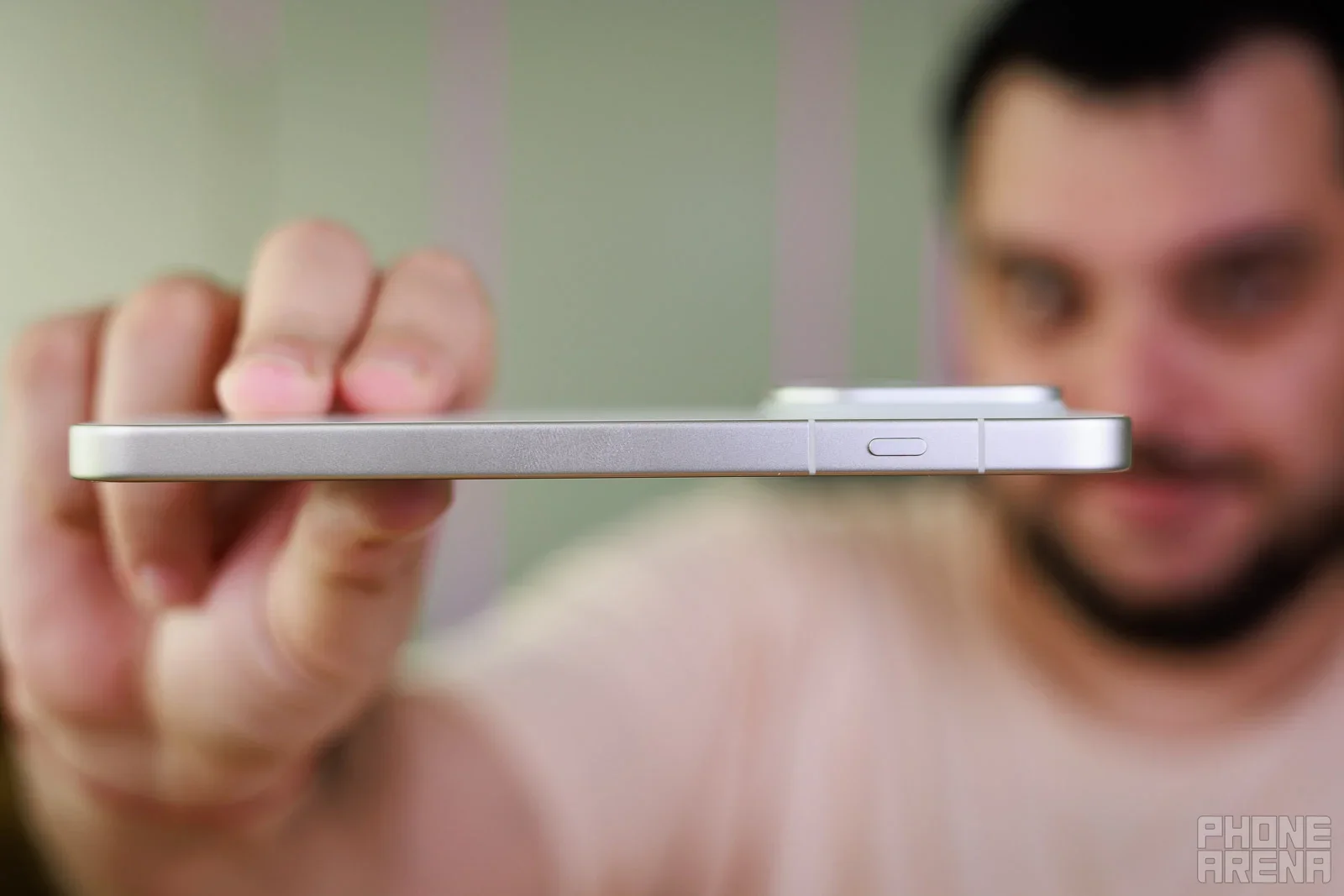
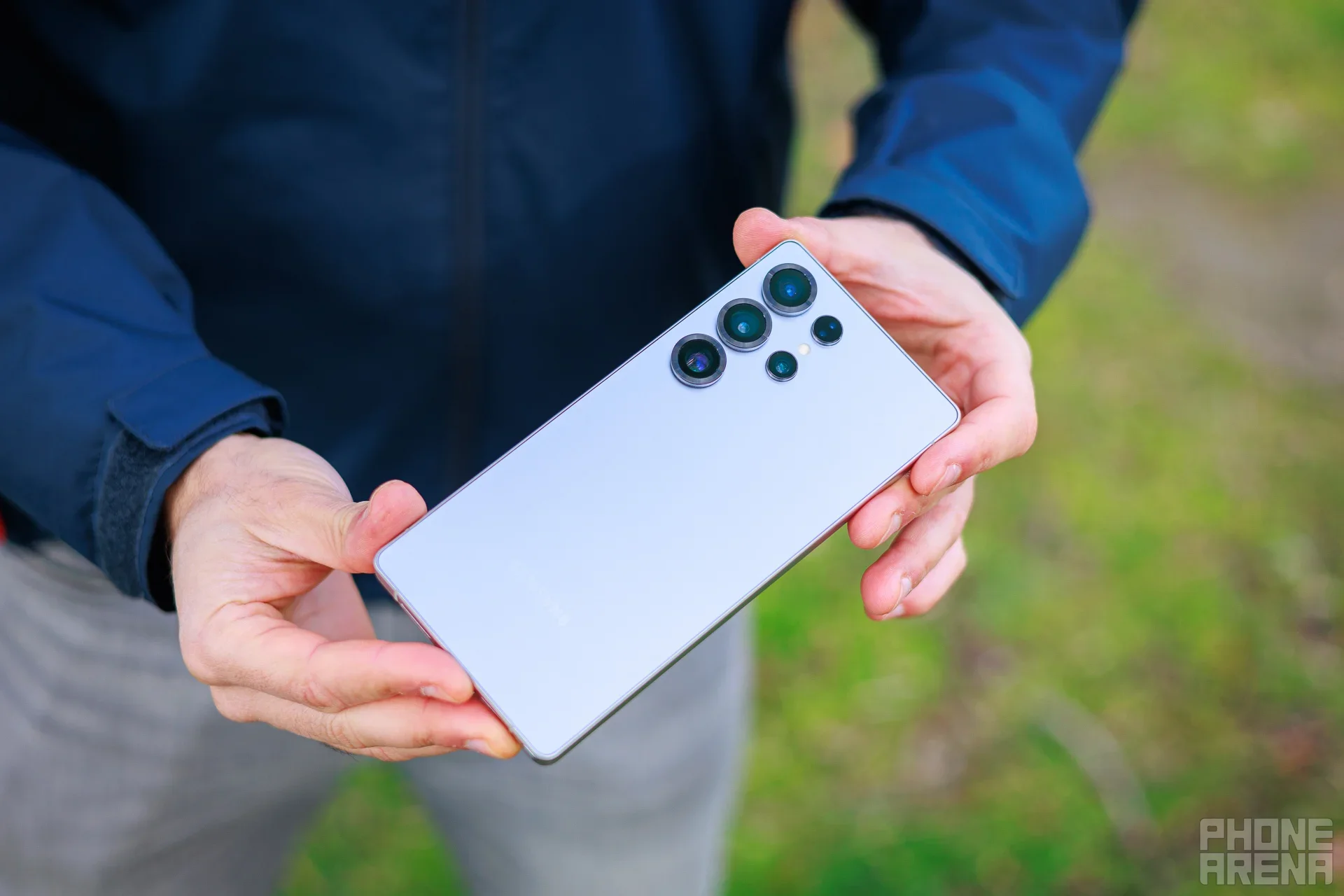
Despite its substantial battery capacity, the Oppo Find X9 Pro maintains a sleek profile (Image by PhoneArena)
These statistics culminate in a simple outcome: these new high-capacity battery phones can last up to two days on a single charge.
It's that straightforward.
No longer do users need to worry about recharging their devices overnight. With these phones, weekend trips can be taken without the hassle of carrying a charger, as the battery life remains dependable.
Recommended Stories
With moderate usage, it is even possible to extend the battery life to three days, although this may be a stretch for many individuals.
While conventional flagships offer decent battery performance, the paradigm shifts when a smartphone can reliably last for two full days on a single charge.
A Novel Distinction
This transformation gains more significance now than ever before, as advancements in other critical areas that drive users towards upgrades have plateaued.
Camera quality has traditionally been a primary incentive for users to seek out new devices, yet the latest iPhone 17 lineup illustrates a different narrative. Apple is resorting to highlighting features like ProRes RAW and Genlock, which cater to a niche market segment. Similarly, Samsung's Galaxy phones have maintained a stagnant sensor and imaging quality over the past few years.
With camera performance reaching a saturation point, consumers are now paying attention to areas where innovation is rapidly evolving and where tangible improvements can be felt—such as battery life in 2025/2026.
Vulnerability of Apple and Samsung
Their restraint appears increasingly akin to stagnation
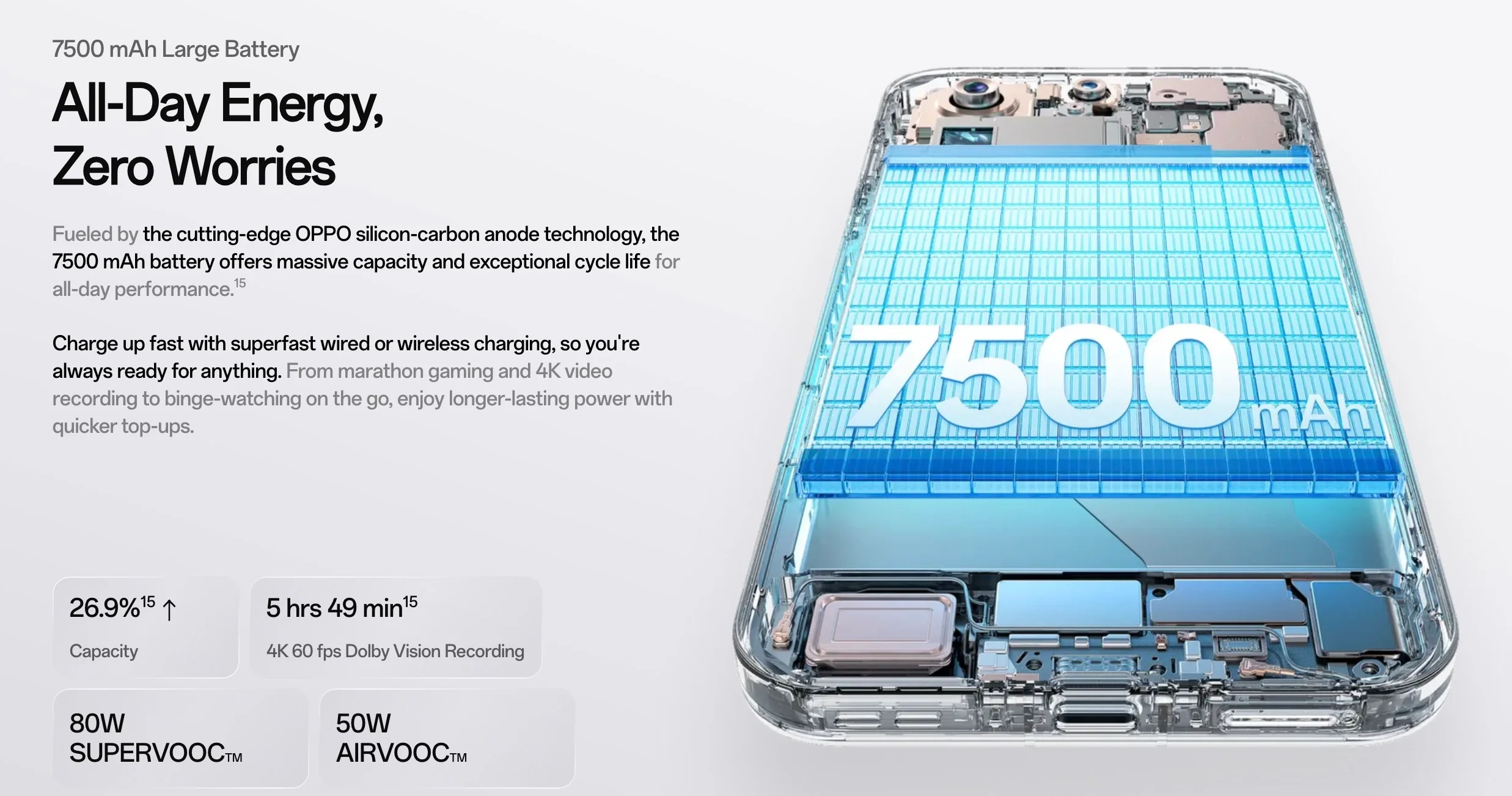
The durability of silicon-carbon batteries has been proven over time (Image by Oppo)
It is no secret that Apple and Samsung possess the resources and market dominance to have pioneered these innovative technologies before anyone else.
Nevertheless, their lack of urgency to introduce these advancements now poses a challenge.
Previously, the excuse for the two giants not adopting larger batteries was due to resulting bulkiness. However, advancements in battery cell stacking, silicon-carbon anodes, and AI-driven power management have enabled a greater energy capacity to be packed into smaller volumes safely.
Consequently, Apple and Samsung's cautious approach may no longer be perceived as a commitment to user safety but as a sign of stagnation. When competitors offer substantially larger batteries, faster charging speeds, and comparable design standards, the elite status of these brands begins to sound hollow.
While both companies currently benefit from regulatory protections, shielding them from direct competition with the most innovative Android manufacturers, this insulation does not equate to competitive advantage. Markets evolve, technology proliferates, and superior products have a way of crossing borders through various means.
As consumers witness the remarkable endurance and rapid charging capabilities of brands like OnePlus and Xiaomi through online reviews and comparisons, Apple and Samsung may find themselves perceived as trailing behind, even in the absence of direct access to these alternatives.
Just as Huawei propelled Apple and Samsung to enhance their camera capabilities in the past, the focus is now shifting towards battery performance.
With a glaring disparity in battery longevity and charging speeds, Western consumers are poised to view Apple and Samsung as lagging in this critical aspect, setting the stage for a new era of smartphone differentiation.