The Future of iPhone Design: Apple's Thinnest Model Yet Goes All-In on eSIM Technology
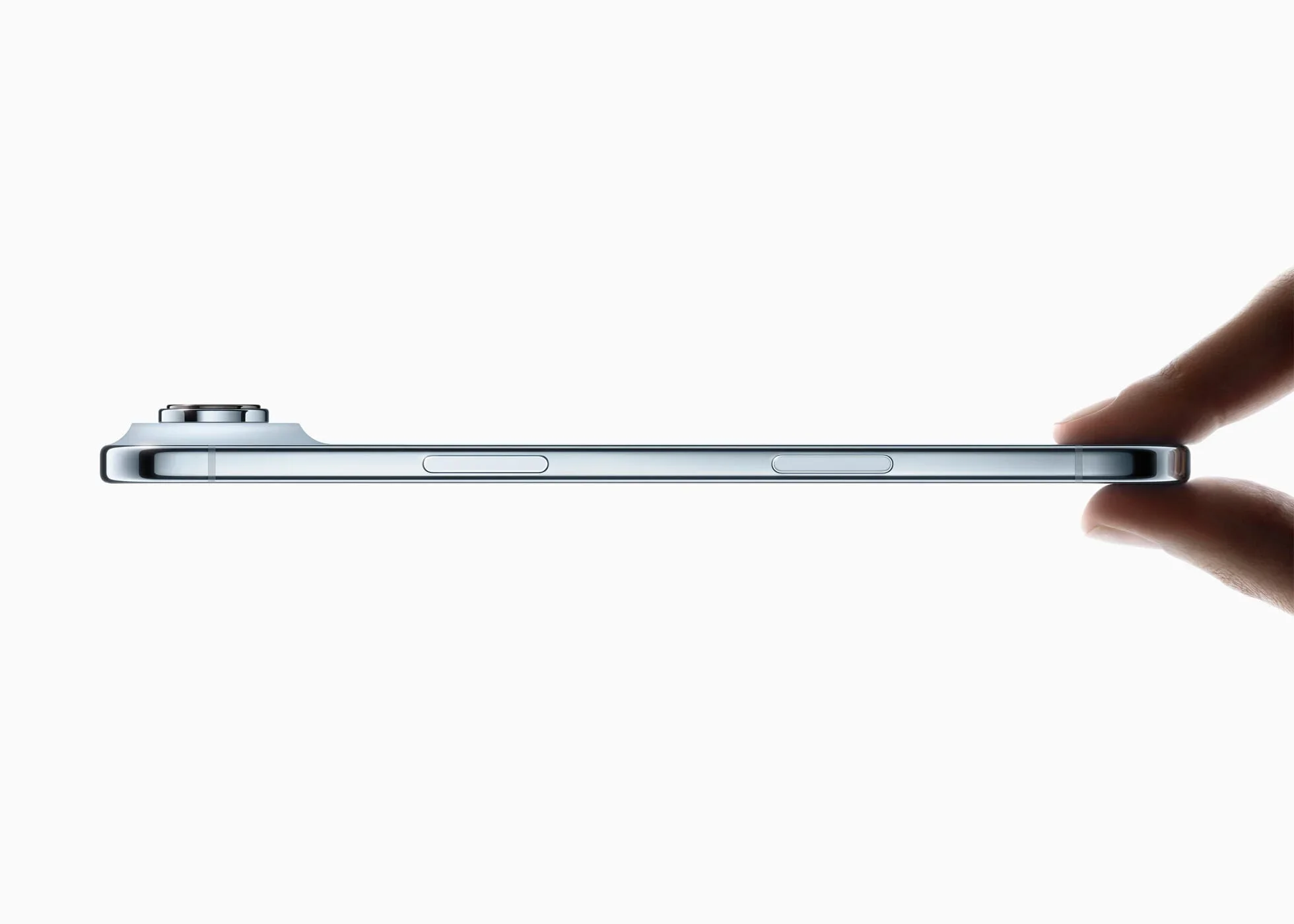
The iPhone Air's record-breaking thinness of 5.6mm is achieved by ditching the physical SIM tray in favor of eSIM technology. This not only contributes to the device's sleek profile but also allows for a lighter and more compact design without sacrificing any of the essential iPhone features.
eSIM technology offers various benefits to users, including the convenience of easily switching between carriers, seamless setup processes, and the ability to access international roaming plans from multiple networks. While some may have reservations about the transition to eSIM-only devices, it represents a significant step towards the future of mobile connectivity.
Exploring the Impact of the eSIM-Only Approach
With the iPhone Air exclusively supporting eSIM, users may lose the convenience of transferring their SIM card to another device in case of phone damage or device upgrades. Additionally, the embedded nature of eSIMs raises privacy concerns as they cannot be easily removed to prevent network connections.
While some smartphone manufacturers offer devices that support both physical SIMs and eSIM, Apple's decision to go all-in on eSIM technology mirrors a broader industry trend towards embracing the future of connectivity. Companies like Google have also adopted similar strategies with their latest phone models, signaling a shift towards a digital-first approach.