iPhone 17 prices are set to rise by $50 on September 9.
The base model of iPhone 17 could now start at $849, with the Pro model potentially jumping to a starting price of $1,149. Eliminating the 128GB storage option for the Pro model, similar to previous releases, justifies the $50 hike in price.
Apple's Strategy Amid Rising Prices
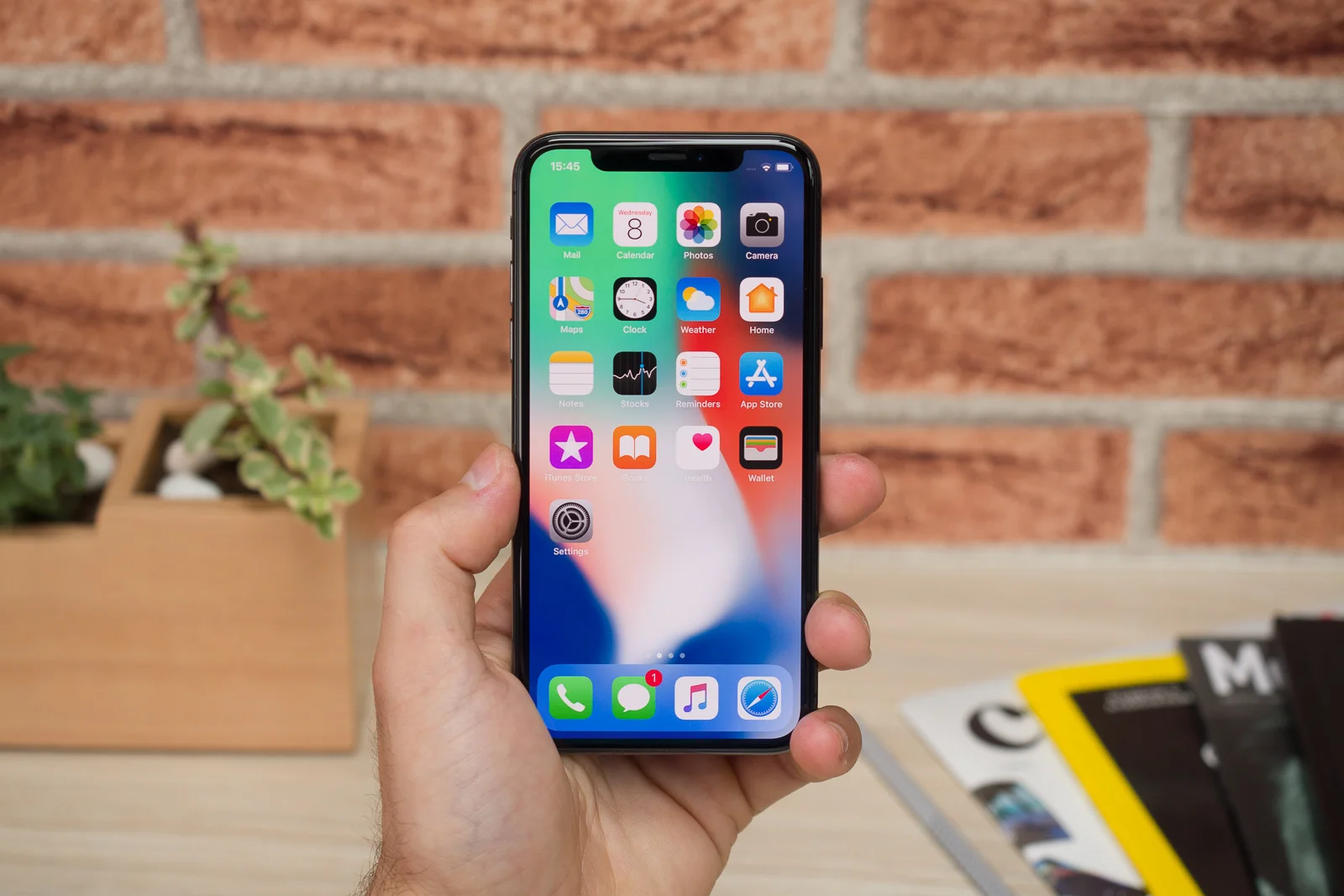
Apple's pricing trend for Pro models | Image Source — PhoneArena
If the iPhone 17 experiences a price hike, it would mark the first increase in eight years for a Pro iPhone model. Apple's pricing strategy began with the iPhone X in 2017 at $999, followed by the iPhone 11 Pro at the same price. The current economic landscape may prompt Apple to adjust prices to $1,049, considering the competitive market.
Industry Trends in Price Adjustments
Current market adjustments in pricing | Image Source — PhoneArena
In light of recent price hikes across various industries, including gaming consoles and streaming services, Apple's decision to adjust iPhone prices follows a general trend. With competitors raising prices, Apple may seek to maintain its market positioning with the iPhone 17 Pro at a more premium price.
As hardware costs and subscription prices trend upward, consumer responses to pricing adjustments could influence market shares. Apple's decision to balance pricing strategies against market demands may determine its competitive edge in the smartphone industry.
Competitive Landscape and Pricing Strategies
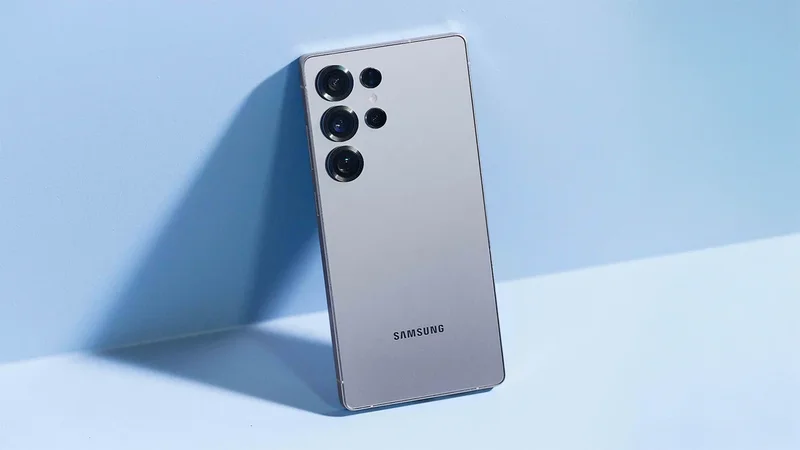
Market positioning and pricing trends | Image Source — Google
Noteworthy competitors like Google and Samsung have maintained stable prices for their flagship devices, signaling diverse strategies in response to economic conditions. The evolving landscape of smartphone pricing reflects the dynamics of consumer preferences and market adaptability.
Galaxy Z Fold 7 experienced a price increase, whereas the Galaxy Z Flip 7 continues to offer competitive pricing. As the industry awaits the Galaxy S26 series, market responses to pricing adjustments remain uncertain.
The implications of iPhone 17 pricing changes on Apple's market share remain a topic of interest among tech enthusiasts and industry analysts.
Financial Viability Amid Pricing Adjustments
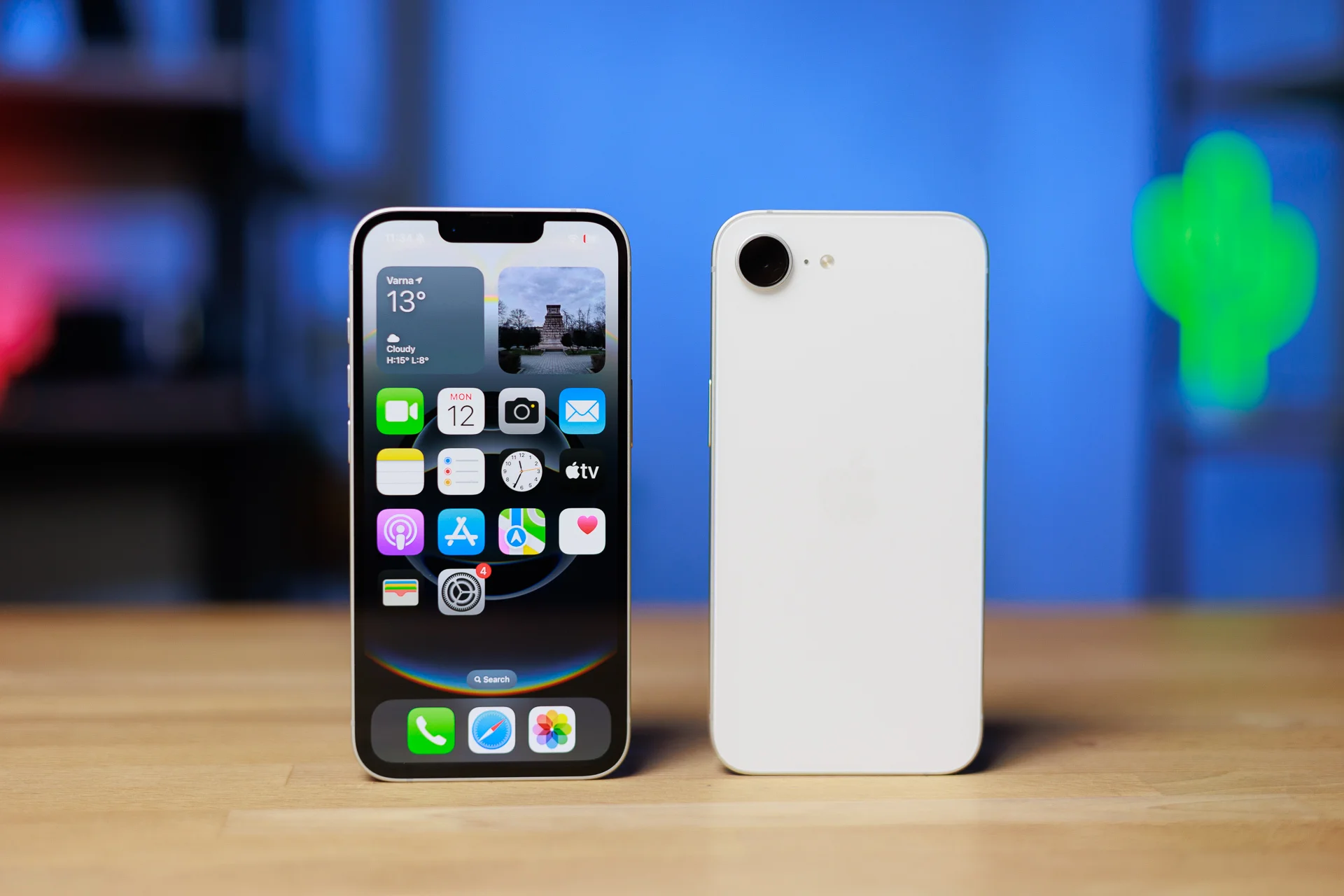
Implications of price changes on consumer behavior | Image Source — PhoneArena
Anticipating consumer responses to pricing adjustments, Apple's financial resilience amidst tariff-related costs and market fluctuations remains critical. Balancing price points with consumer demand and market stability will be vital in sustaining Apple's market share and revenue growth.
Tim Cook acknowledged the impact of tariffs on Apple's finances, with projected increases in operational costs. Despite these challenges, Apple's strategic pricing decisions and product positioning aim to navigate economic uncertainties and maintain market competitiveness.
Market dynamics and consumer behaviors will play a pivotal role in determining the success of Apple's pricing strategies in the competitive smartphone industry.
"Tech Evolution: Adapting to Market Dynamics" is Coming Soon!
Stay tuned for our upcoming release that delves into the transformative journey of technological evolution in response to changing market landscapes. Join us in exploring the dynamic interplay between innovation, consumer trends, and industry adaptability in the tech sector.
"Tech Evolution: Adapting to Market Dynamics" promises to be a captivating insight into the future of technology and its impact on consumer experiences. For more information and exclusive early access, click the link below!